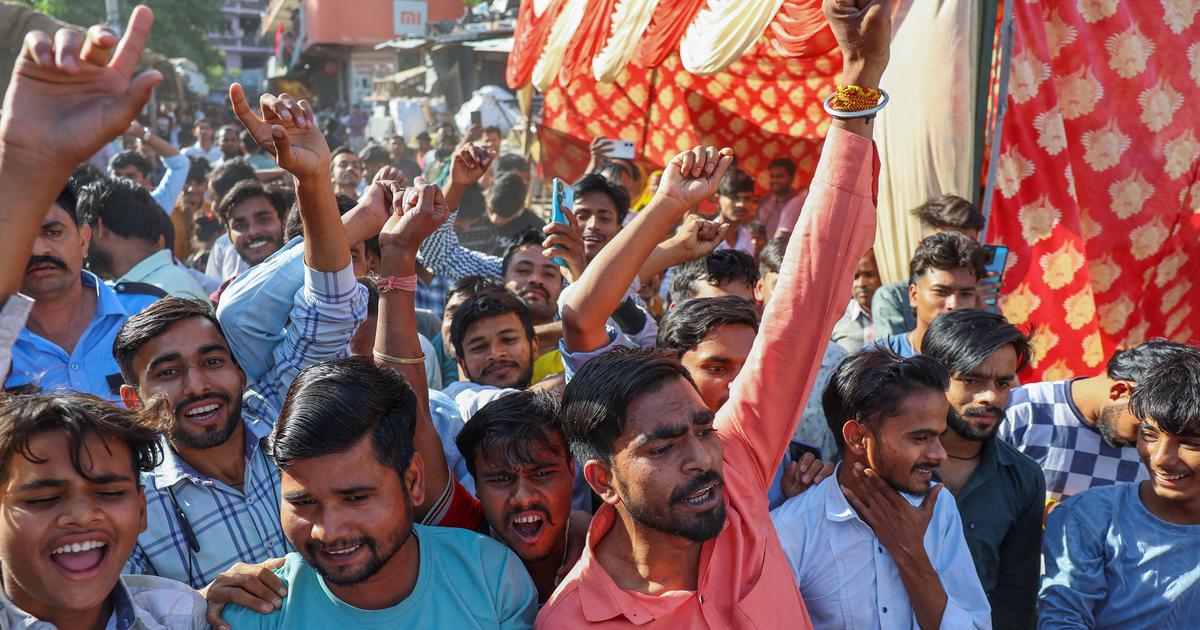
In a powerful display of collective action, thousands of workers in Noida took to the streets earlier this week, highlighting the pressing issue of inadequate wages that plague many in India’s labor force. The protests, marked by road blockades and the burning of vehicles, were not merely a spontaneous outburst, but rather the culmination of growing frustrations among workers in the region who feel undervalued and exploited.
Experts have long been sounding the alarm about the deteriorating conditions in factories across the country. The situation was exacerbated by recent legislative changes, with the Bharatiya Janata Party (BJP) government enacting four new labor codes that critics argue have institutionalized the exploitation of workers. Anand Teltumbde, a prominent commentator, noted that these codes have normalized precarious work conditions while masking them as advancements for labor rights.
The protests in Noida come just weeks after a nationwide strike called by trade unions, demanding the repeal of these new labor codes. Activists like Nandita Haksar have pointed out that the economic repercussions of global conflicts, including the ongoing tensions involving the US and Israel that have affected Iran, have further strained the financial stability of workers. The fallout has resulted in soaring prices for essential goods and dwindling supplies of cooking gas, leaving many families struggling to make ends meet.
The protests are a clarion call for change, underscoring the urgent need for policymakers to prioritize the welfare of workers. As the voices of dissent grow louder, there is an increasing recognition that a fair wage is not just a demand but a fundamental right for every worker in India. The economic landscape of the country must reflect this reality, ensuring that laborers receive compensation that allows them to lead dignified lives.
As the nation watches these developments unfold, it is crucial for the government and corporate sectors to engage in meaningful dialogue with labor representatives. Addressing the inequities that many workers face is essential not only for social stability but also for sustainable economic growth. Ensuring fair pay will not only empower workers but also contribute to a more robust and equitable economy.