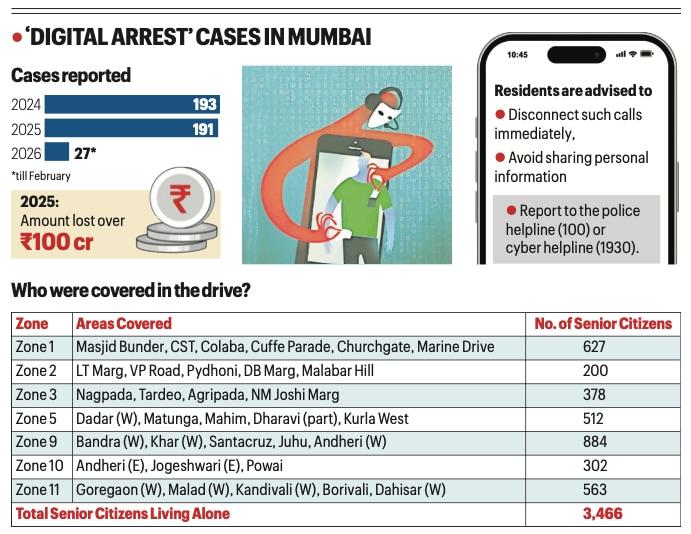
Cyber fraud is emerging as one of the fastest-growing forms of crime in India, affecting not only tech-savvy users but also ordinary citizens across cities, towns, and rural areas.
From fake job offers and UPI scams to investment fraud and “money mule” banking schemes, cybercriminals are increasingly using advanced technology, social engineering tactics, and even AI-generated content to target victims.
Why Cyber Fraud Is Rising
Authorities and cybersecurity experts have reported a growing number of cases involving:
- UPI and digital banking fraud
- Fake job and work-from-home scams
- OTP theft and phishing links
- AI-generated voice and message scams
- Online investment and trading fraud
Experts warn that elderly citizens, middle-class families, job seekers, and small business owners are becoming increasingly vulnerable to such crimes.
How These Scams Typically Work
Many cyber fraud cases follow a similar pattern:
- Victims receive a call, SMS, email, or WhatsApp message
- Fraudsters create urgency using fake claims such as KYC updates, blocked bank accounts, lottery winnings, or job offers
- Victims are asked to click suspicious links or share OTPs and banking details
- Money is transferred or withdrawn within minutes
In several cases, fraudsters reportedly use “money mule accounts” — bank accounts used to quickly move stolen funds and avoid detection.
Who Is Most at Risk?
Cybersecurity experts say the following groups are often targeted:
- Senior citizens unfamiliar with digital systems
- Job seekers searching for quick employment opportunities
- Small business owners using online payment systems
- Regular UPI users with limited cyber awareness
What Experts Say
Experts believe India’s digital adoption is growing faster than public awareness about cyber safety. As more citizens use digital payments and online platforms, criminals are exploiting gaps in digital literacy.
Law enforcement agencies and cybercrime units are increasingly using AI-based monitoring systems and digital tracking tools to identify suspicious financial activities and cyber fraud networks.
Safety Measures for Citizens
Authorities advise citizens to follow basic digital safety practices:
- Never share OTPs, PINs, or banking credentials
- Avoid clicking unknown links or downloading suspicious apps
- Verify job offers and investment schemes before making payments
- Use only official banking and payment applications
- Immediately report cyber fraud through the national cyber helpline 1930
The Bigger Picture
India’s digital revolution has improved convenience, financial inclusion, and connectivity. However, it has also created new opportunities for cybercrime.
Experts say cyber fraud is no longer only a technology issue but a broader social and financial security concern that requires stronger public awareness, responsible digital behavior, and faster reporting mechanisms.
As digital scams become more sophisticated, awareness and caution are becoming essential parts of everyday online life.