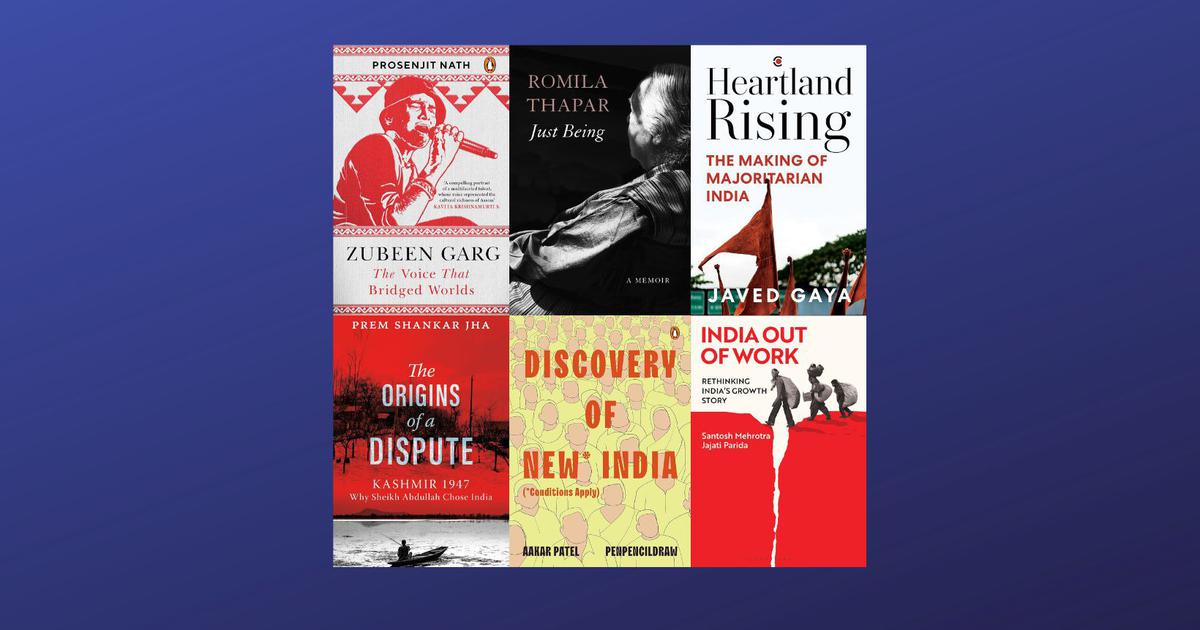
This May, readers are in for a treat with a selection of significant nonfiction works that not only reflect the pulse of Indian society but also delve deep into the nation’s rich tapestry of history and contemporary issues. Among the standout offerings is renowned historian Romila Thapar’s memoir, titled Just Being, which chronicles her remarkable journey and insights that have profoundly shaped the understanding of India’s past.
In Just Being, Thapar invites readers into her vibrant world, recounting her experiences from a childhood in British India to her academic pursuits in London. Her extensive travels to archaeological sites across Asia have further enriched her perspective, allowing her to weave together a narrative that is both personal and historically significant. As one of the pioneers in establishing the Centre for Historical Studies at Jawaharlal Nehru University, Thapar has played a pivotal role in the academic landscape of India. This memoir is not just a reflection of her own life but also a testament to the importance of understanding history through a meticulous lens of evidence, thus shedding light on the complexities of the present and the future.
Alongside Thapar’s evocative memoir, another compelling read is India Out of Work: Rethinking India’s Growth Story by Santosh Mehrotra and Jajati Parida. This book addresses the pressing issue of India’s employment crisis and paints a sobering picture of the nation’s trajectory if proactive measures are not undertaken. With only 15 years remaining to capitalize on its demographic dividend, India faces the daunting possibility of becoming an aging and impoverished society. Mehrotra and Parida’s analysis serves as a wake-up call, urging policymakers and citizens alike to rethink the current growth narrative and prioritize sustainable job creation.
The juxtaposition of Thapar’s memoir and Mehrotra and Parida’s analysis highlights the diverse themes that nonfiction literature can tackle. While Thapar’s work emphasizes the value of historical context and cultural understanding, the latter draws attention to urgent socio-economic challenges that require immediate action. As readers engage with these texts, they are encouraged to reflect on how the lessons of the past can inform solutions to contemporary issues.
In addition to these remarkable titles, this month also features several other noteworthy nonfiction works, each contributing to a broader dialogue about India’s identity and future. As the nation stands at a crucial crossroads, these authors offer insightful perspectives that resonate with the complexities of modern Indian life, making this month a significant one for literary exploration.