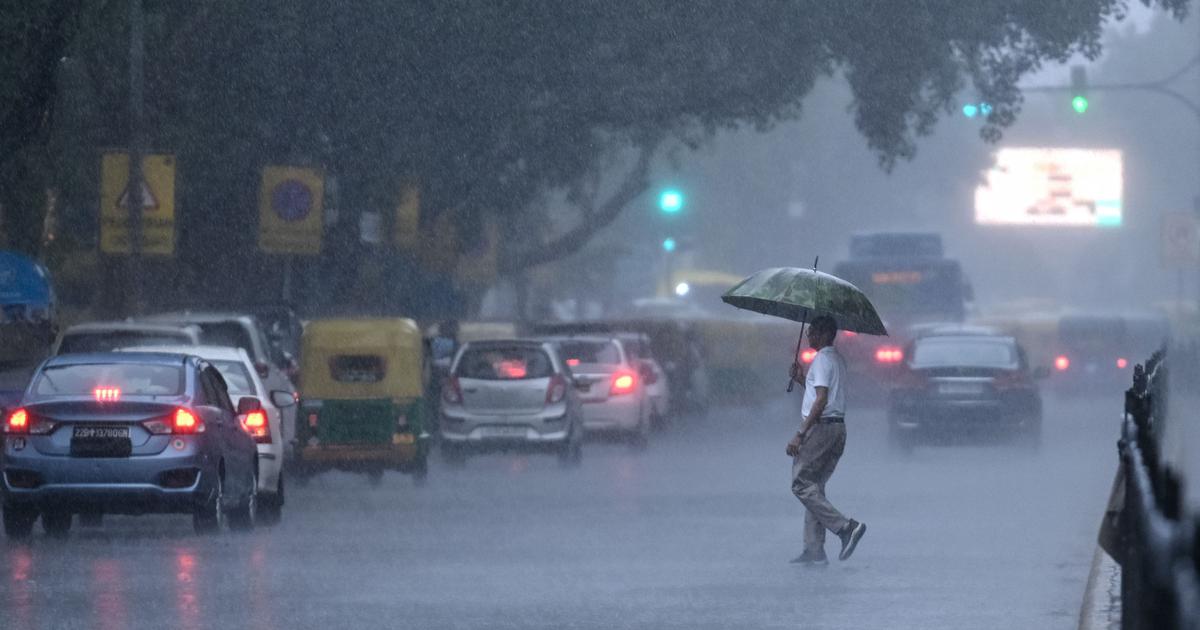
As India grapples with scorching heatwaves, the upcoming monsoon season is expected to bring little relief according to the India Meteorological Department (IMD). In a recent update, the IMD revised its forecast for the monsoon to a ‘below normal’ status, projecting rainfall at about 90% of the long-period average, down from the earlier estimate of 92%. This downgrade raises significant concerns, especially as the country looks forward to the much-needed rain.
One of the primary culprits behind this subdued monsoon outlook is El Niño, a climate pattern characterized by warming sea surface temperatures in the central and eastern Pacific Ocean. The phenomenon disrupts typical weather patterns globally, and its influence on the Indian monsoon can be particularly pronounced. The IMD’s forecast for a warmer June could be tied to the developing El Niño, which is anticipated to influence weather conditions as the year progresses.
This year, meteorologists are bracing for a potential ‘super El Niño’ effect, which may emerge in the second half of the year and extend into early 2024. Historical data shows that super El Niño events often lead to significant disruptions in global weather patterns, and the implications for India’s monsoon could be severe, possibly resulting in a drier season than usual.
El Niño is part of the El Niño-Southern Oscillation (ENSO)—a dynamic interplay of oceanic and atmospheric conditions. During normal circumstances, a consistent westerly trade wind pattern pushes warm water from the coasts of South America towards Asia, with colder water rising to replace it. However, during an El Niño event, these trade winds weaken, allowing warm water to flow back towards the eastern Pacific. This shift not only raises temperatures in the ocean but also alters rainfall patterns across various regions of the globe.
Regions such as South America, East Africa, and parts of the southern United States may experience increased rainfall and the potential for flooding during an El Niño, while countries like Australia and Indonesia often face drought conditions. For India, the repercussions can be stark, leading to a weaker monsoon characterized by reduced rainfall, which is critical for agriculture and water supply. The monsoon season typically accounts for 70% of India’s annual rainfall, making its reliability vital for farmers and the economy.
The agricultural sector, heavily reliant on the monsoon rains, may face challenges should the rainfall not meet expectations this year. An inadequate monsoon could exacerbate water scarcity, impact crop yields, and pose risks to food security. Farmers who depend on the regularity of the rains may need to adapt to these changing conditions, potentially relying more on irrigation and other measures to mitigate the effects of a deficient monsoon.
As the nation prepares for the upcoming season, close monitoring of the evolving El Niño conditions will be crucial for both policymakers and farmers alike. Understanding the intricate relationship between these global phenomena and local weather patterns is essential for effectively navigating the implications of changes in the climate system. With India’s economy intricately tied to its agricultural output, a proactive approach to this year’s forecast will be essential.