Exploring the Creative Renaissance: Innovations in Art, Literature, and Architecture Between the Wars
The interwar years, a tumultuous period between World War I and World War II, fostered an extraordinary evolution in the realms of art, literature, music, and architecture. This era, marked by both societal upheaval and creative exploration, saw artists and writers break free from traditional forms and conventions, reflecting a world grappling with its identity amidst the ruins of war.
At the forefront of this creative revolution was modernist art, a movement that sought to challenge established moral and aesthetic norms. Prominent figures like Wassily Kandinsky emerged, advocating for abstraction as a means to express emotion through color and form. His revolutionary approach paved the way for a new visual language, one that resonated deeply with the chaotic sentiments of the time. Meanwhile, Marcel Duchamp’s bold conceptual works, exemplified by his infamous piece Fountain—a signed urinal—provoked debates on what constitutes art, dismantling preconceived notions of creativity and craftsmanship.
Further diversifying the artistic landscape, Joan Miró’s playful and whimsical compositions captured the essence of the subconscious mind. His use of vibrant colors and unconventional shapes invited viewers to engage with art on a more intuitive level. In stark contrast, Salvador Dalí’s surrealistic imagery, laden with psychological undertones drawn from Sigmund Freud’s theories, showcased a darker exploration of dreams and desires. His iconic work, The Persistence of Memory, with its haunting melting clocks and unsettling ants, invited contemplation on the nature of time and reality.
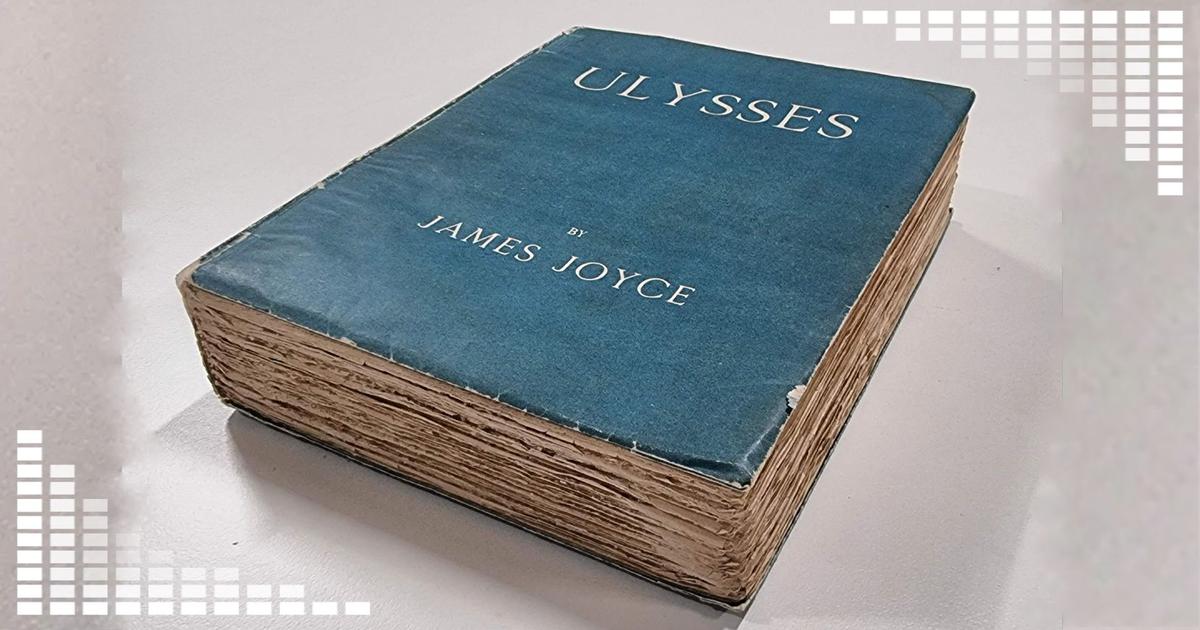
However, the modernist movement transcended the boundaries of visual arts and significantly influenced literature. Writers of the 1920s, inspired by the fragmented aesthetics of cubism, began to innovate their narrative techniques. Celebrated authors like James Joyce and Virginia Woolf ventured into the intricate labyrinth of human consciousness. Joyce’s Ulysses, set over the course of a single day, employed a stream-of-consciousness technique that mirrored the complexities of thought and existence. Similarly, Woolf’s Mrs Dalloway explored the inner worlds of its characters, presenting their thoughts and emotions in a fluid and nonlinear fashion.
This shift in narrative structure was not merely stylistic; it reflected a deeper understanding of the fractured psyche of individuals emerging from the trauma of war. As industrialization and urbanization rapidly reshaped society, the rise of mass media introduced new ways of perceiving the world, further influencing artistic expression. The modernist artists and writers were often characterized by a sense of restlessness, a quest for innovation born not only from intellectual curiosity but also from a desire to articulate the profound dislocations of their times.
As we delve into the creative achievements of the interwar era, it becomes evident that this period was not just a transitional phase, but a vibrant chapter in the history of human expression. The innovations across various disciplines continue to resonate, reminding us of the enduring power of art and literature to reflect, challenge, and inspire. In a world that constantly evolves, the legacy of these interwar pioneers remains a beacon for contemporary creators, urging them to explore and redefine the boundaries of their craft.