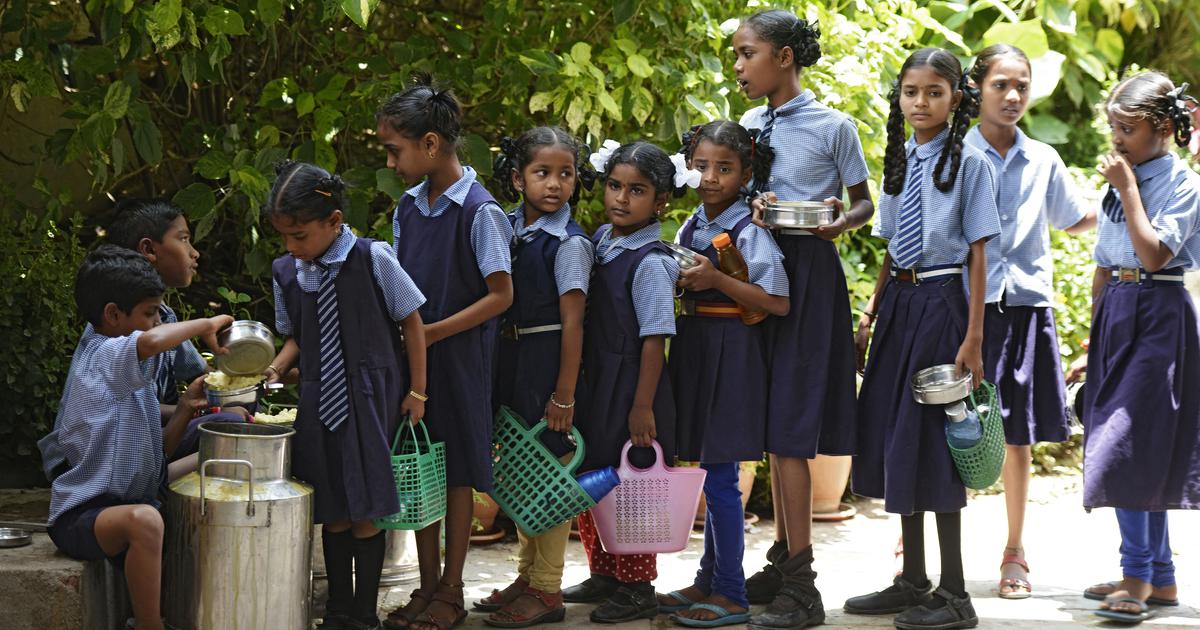
Child malnutrition remains a formidable challenge in India, with nearly one-third of children under five suffering from stunting. This debilitating condition is a result of chronic undernutrition and poses severe long-term repercussions for physical growth and cognitive development, ultimately affecting life outcomes. However, these adverse effects are not uniformly distributed, revealing significant disparities among different social groups.
A deeper analysis uncovers that children belonging to historically marginalized caste communities face a higher likelihood of stunting compared to their more privileged peers. This stark inequality persists across various regions of the country, indicating that caste plays a critical role in child health outcomes. While prior studies have identified factors such as poverty, sanitation issues, birth order, and gender biases as contributing to this crisis, they fail to fully explain the entrenched disparities observed among caste groups.
Recent research published in the Journal of Economic Behavior & Organization delves further into this issue, positing that caste-based discrimination may significantly influence child malnutrition rates. To investigate this, the study employs the Vindhyas mountain range as a historical and social demarcation line within India. The regions north of the Vindhyas have long been associated with different socio-economic conditions compared to those in the south.
By examining these areas, researchers aim to illuminate the underlying causes of malnutrition disparities linked to caste and regional divides. Past evidence suggests that varying levels of access to resources, healthcare, and sanitation facilities significantly affect nutrition outcomes for children. These disparities are exacerbated by deeply entrenched social hierarchies and discrimination that persist in many parts of India.
Moreover, the interplay between regional economic development and caste discrimination adds another layer of complexity to the issue. In northern regions, where historical inequalities are more pronounced, marginalized groups often face restricted access to essential services, including education and healthcare, which can contribute to higher rates of stunting. Conversely, in southern regions, where there may be more progressive policies and greater economic opportunities, the gap in child nutrition outcomes is comparatively narrower.
To combat child malnutrition effectively, it is crucial to address these systemic inequalities. Policies targeting nutritional interventions need to be tailored, taking into account both caste and geographic disparities. By fostering inclusive growth and ensuring equitable access to resources, the country can work towards reducing child malnutrition rates and improving overall childhood health.