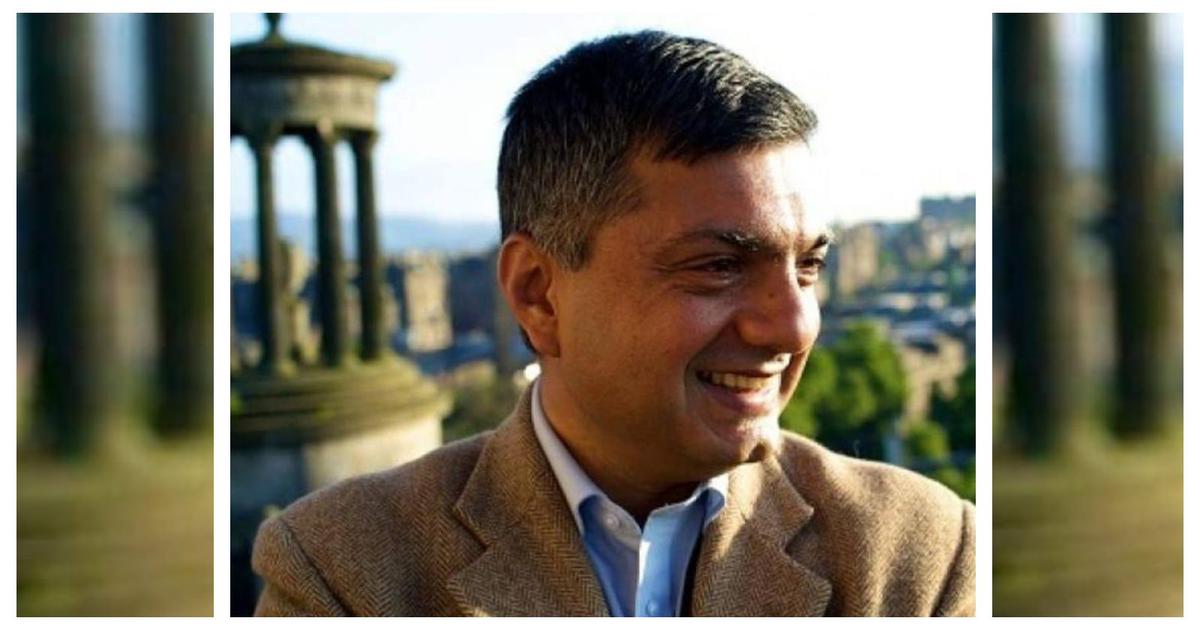
In a profound exploration of Islamic history, Faisal Devji’s latest book, Waning Crescent: The Rise and Fall of Global Islam, delves into the intricate journey of Islam, tracing its path from a divine faith to a multifaceted ideological system. This work holds significant relevance in today’s socio-political climate, as it tackles issues of identity, belief, and the transformation of religious thought.
The narrative finds an intriguing parallel in the lives of two iconic Urdu poets, Mir Taqi Mir and Mirza Ghalib, who thrived during the declining days of the Mughal Empire in the 18th century. Their relationship was marked by mutual admiration as well as a competitive spirit. Ghalib, often lauded for his poetic genius, once expressed his respect for Mir with the line, “You are not the only master of Rekhta; they say there was a Mir in the past.” This acknowledgment underlines the rich literary tradition of their time, which serves as a backdrop for Devji’s exploration of Islamic identity.
A particularly striking couplet by Mir Taqi Mir captures the essence of religious evolution, reflecting a complex relationship with faith amid changing times. In the couplet, he remarks on the absurdity of questioning someone about their religious beliefs when they have completely abandoned them for a different identity. This sentiment resonates deeply within the context of the Mughal Empire’s twilight, when Muslims in India were largely untroubled by political instability or fears regarding their community’s relevance.
Devji’s book is not merely an academic endeavor; it serves as a mirror reflecting the shifting landscapes of belief and ideology over centuries. He navigates through the historical transitions faced by Islam, particularly how the faith adapted and sometimes morphed into a system of ideas that extends beyond spiritual practice. Much like the poets of his country, Devji acknowledges the duality of existence—between adherence to tradition and embracing new ideologies.
The historical significance of this transformation cannot be overstated, especially in light of contemporary discussions surrounding Islam and its place in the global narrative. As various interpretations of Islam continue to emerge, understanding its evolution within sociopolitical contexts becomes crucial. Devji’s insights shed light on these complexities, encouraging readers to reflect on their own perceptions of faith and identity.
In conclusion, Waning Crescent is not only a historical narrative but also a philosophical examination of faith. It offers a nuanced perspective on how belief systems are shaped by cultural and political dynamics, urging readers to ponder the implications of this evolution on contemporary society. As India navigates its own identity crisis amidst various ideological movements, Devji’s work serves as a vital resource for understanding the broader implications of religious transformation.