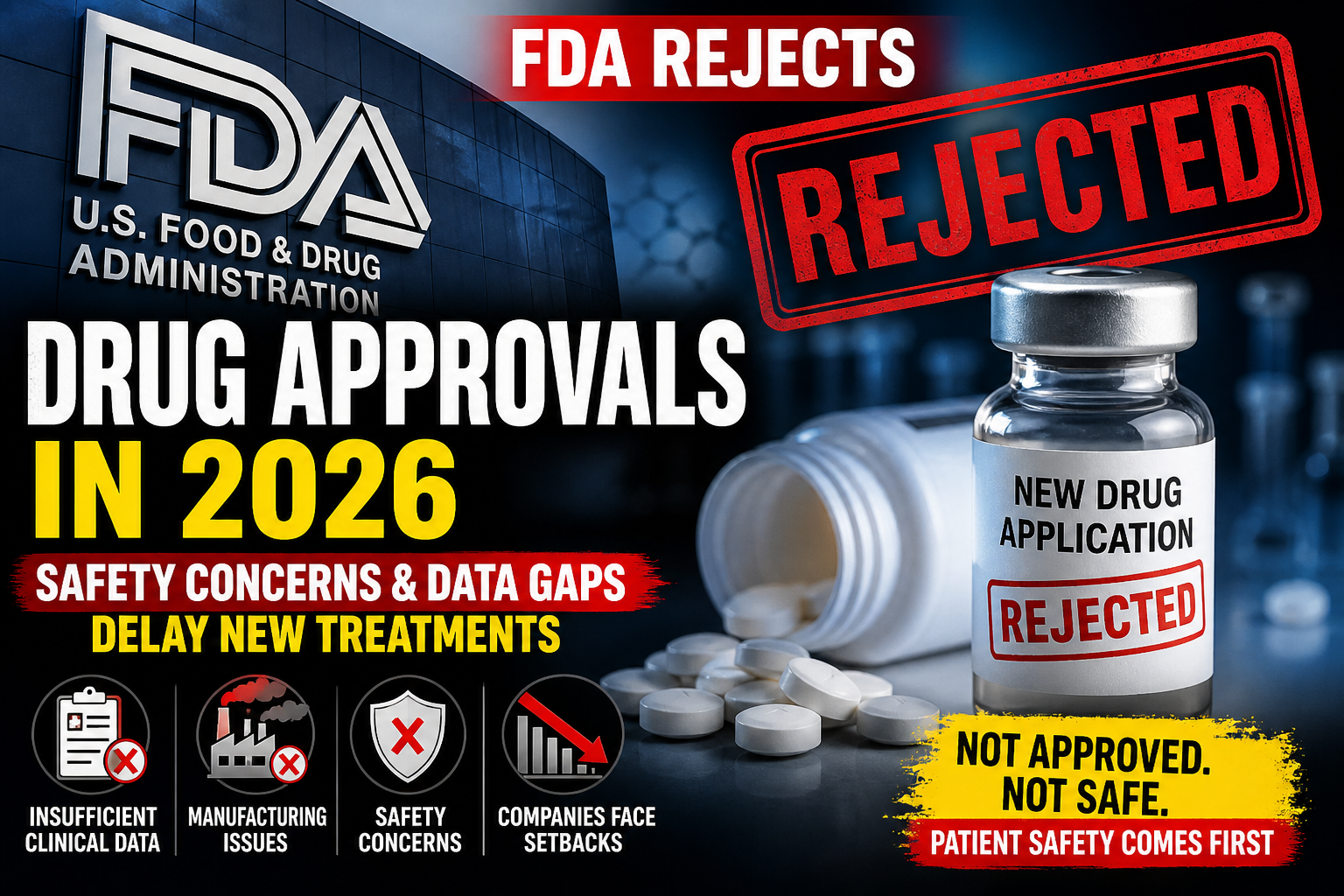
Recent decisions by the U.S. Food and Drug Administration (FDA) indicate a tightening of regulatory scrutiny in the drug approval process. Industry observers note that the agency is placing greater emphasis on clinical evidence, manufacturing quality, and data reliability before granting approvals.
Increased Focus on Evidence
Regulators are increasingly requiring well-controlled and randomized clinical trials to establish a drug’s safety and effectiveness. Applications based on limited or single-arm studies are facing greater scrutiny, particularly in critical areas such as oncology and neurology.
Manufacturing and Quality Checks
In addition to clinical data, manufacturing standards have become a key factor in regulatory decisions. The FDA evaluates aspects such as production consistency, packaging safety, and contamination risks before approving any drug for public use.
Data Integrity and Transparency
Another area of focus is the reliability and transparency of clinical trial data. Any inconsistencies or gaps in submitted data can delay or prevent approvals, highlighting the importance of robust research methodologies.
Understanding Regulatory Responses
When a drug application does not meet required standards, the U.S. Food and Drug Administration typically issues a Complete Response Letter (CRL). This document outlines specific concerns related to safety, efficacy, or manufacturing, and allows companies to address these issues before resubmission.
Industry Impact
Stricter regulatory requirements may lead to delays in bringing new drugs to market and can increase development costs for pharmaceutical companies. However, these measures are intended to ensure that only thoroughly evaluated and safe treatments become available to patients.
Global Implications
Regulatory decisions by the U.S. Food and Drug Administration often influence global healthcare markets, including countries like India. While stricter standards can improve overall drug safety, they may also affect timelines for the availability of new therapies in international markets.
Conclusion
The evolving regulatory approach highlights a broader shift toward prioritizing safety, quality, and scientific rigor in drug approvals. While this may slow down the introduction of some treatments, it reinforces confidence in the medicines that ultimately reach patients.