For years, I held an unwavering belief that Mumbai was the epitome of urban life in India. It was the city that represented ambition, resilience, and the struggles that come with chasing dreams. In my eyes, Delhi was merely a hub for politicians, a place known for its chaotic roads and loud conversations, where smog blanketed the city every November, often blamed on the neighboring farmers. To me, Mumbai was characterized by its grit, its stories of survival, and its local trains that carried millions through the daily grind. It was a badge of honor to face and overcome the city’s challenges.
However, my move to Delhi opened my eyes to a stark reality. The first few weeks felt like a whirlwind; the city’s sprawling landscapes were a refreshing change, and the courteous behavior of auto-rickshaw drivers who seldom used the meter left me pleasantly surprised. I was a tourist in my own relocation, soaking in the unfamiliarity. But as the initial excitement faded over the past three months, I began to see the city with new clarity. What struck me most was a growing awareness of the long-standing issues plaguing Mumbai, the city I had romanticized for so long.
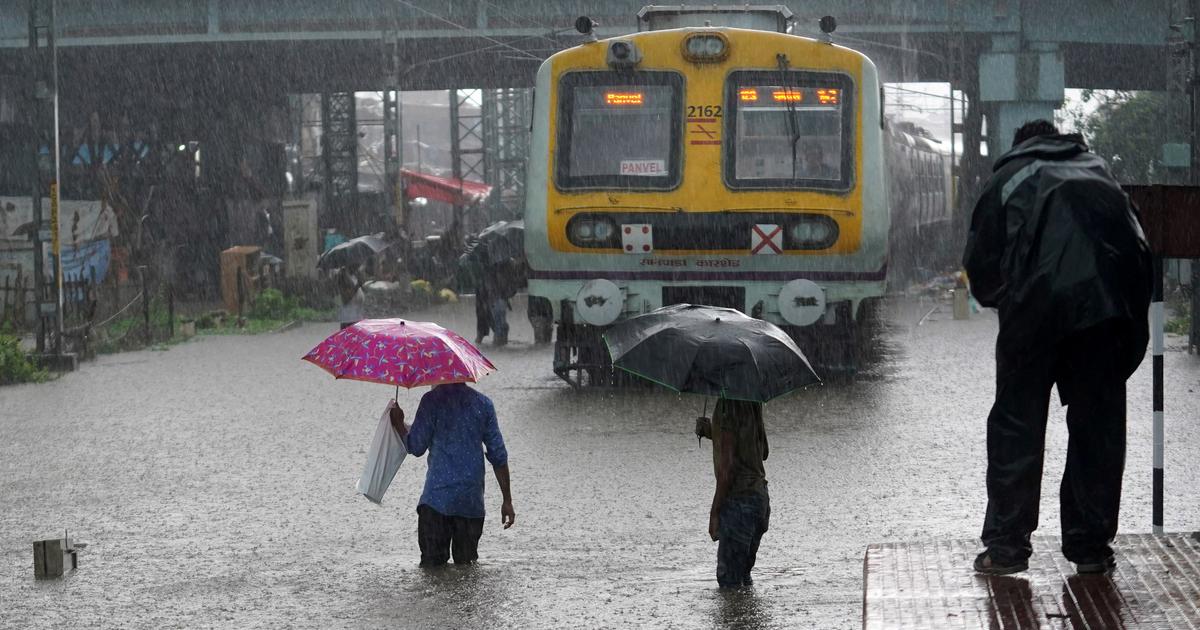
Take Mumbai’s metro system, for instance. A significant point of contention that became apparent during my residency in Delhi is the efficiency of its public transport. While I spent countless hours navigating through Mumbai’s local trains—often packed to capacity during rush hour—Delhi’s metro has emerged as a model of civic achievement. It operates with remarkable punctuality, cleanliness, and an extensive network that connects various parts of the city seamlessly.
This realization was bittersweet. My nostalgia for Mumbai had clouded my judgment, allowing me to overlook the systemic failures that have been affecting its residents for years. The local train system, once a source of pride, has become synonymous with delays, overcrowding, and neglect. In contrast, Delhi’s metro not only elevates the commuting experience but also underscores the need for urban infrastructure that genuinely serves the people.
As I continue to explore Delhi, I cannot help but reflect on the lessons learned from my transition. While each city has its own unique charm and challenges, the reality is that we often cling to our biases, failing to see the flaws in what we once glorified. Mumbai, with all its vibrancy, must address its ongoing issues for the sake of its residents. My move has not only broadened my perspective on urban living but has also prompted me to reconsider what it means to be a citizen of a city.