Health Agencies Monitor Reports of Hantavirus Concerns Following International Travel Exposure
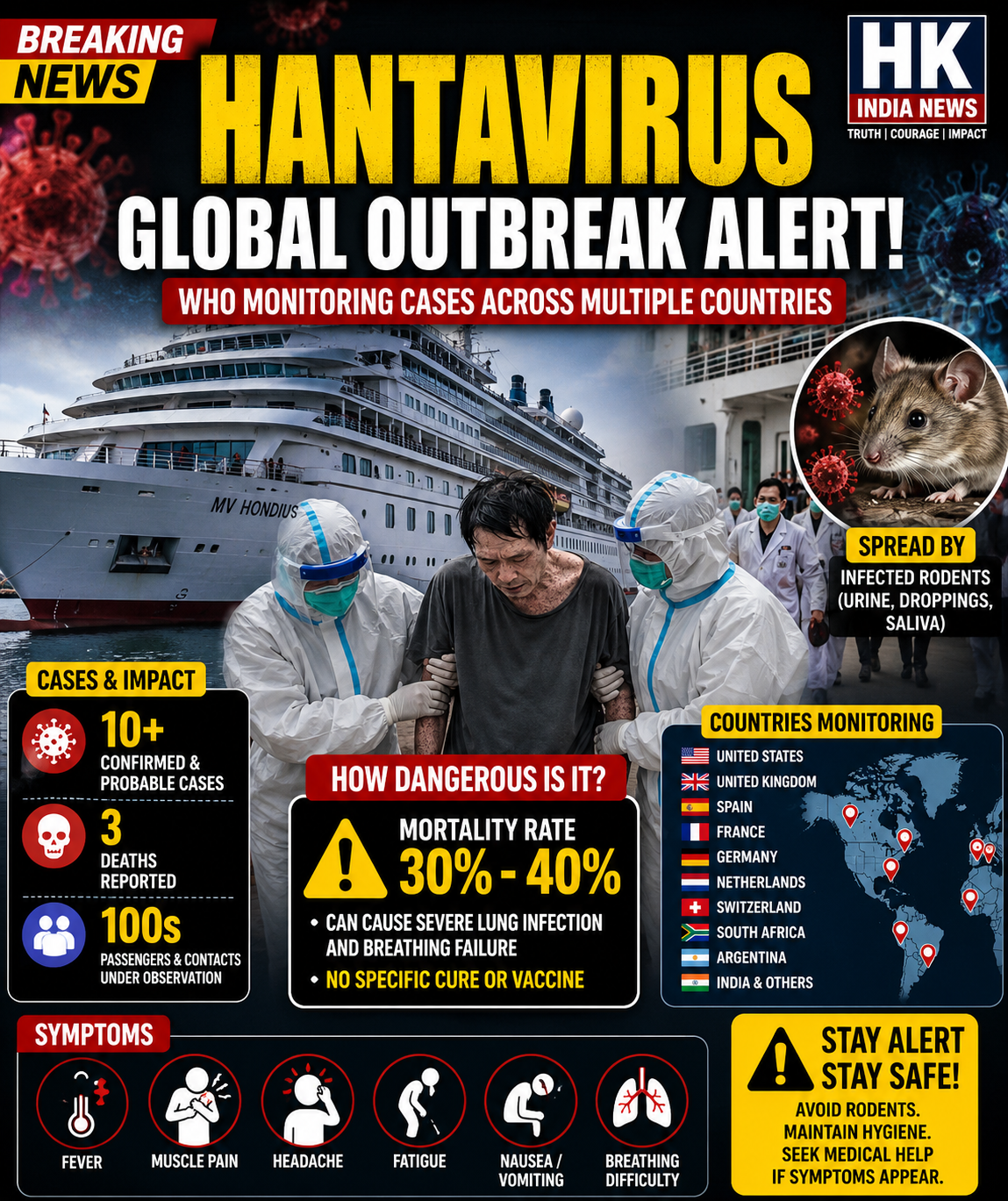
Global health authorities are reportedly monitoring a small number of suspected hantavirus infections linked to international travel, prompting precautionary surveillance and contact-tracing measures in multiple countries. The World Health Organization (WHO) and national health agencies are reviewing the situation and coordinating information exchange with affected regions.
Officials have stated that while certain cases are under investigation, no global outbreak has been confirmed at this stage.
What Authorities Are Investigating
According to preliminary health surveillance updates, some countries have reported isolated cases of hantavirus infection among individuals with recent international travel history. Health agencies are working to determine whether these cases share a common exposure source.
Authorities are currently focusing on:
- Identifying travel-related exposure patterns
- Conducting contact tracing of confirmed and suspected cases
- Assessing whether infections are linked or coincidental
- Monitoring passengers from shared travel routes
Countries Involved in Monitoring Efforts
Health surveillance and precautionary monitoring are being carried out in several countries, including:
- United States
- United Kingdom
- Spain
- France
- Germany
- Netherlands
- Switzerland
- South Africa
- Argentina
- India and other nations
Health agencies in these countries are reportedly strengthening airport screening awareness and hospital readiness protocols where required.
About Hantavirus
Hantavirus is a rare rodent-borne virus that can spread to humans through contact with infected rodents or contaminated environments. In certain cases, it may lead to serious respiratory illness known as Hantavirus Pulmonary Syndrome (HPS).
Medical experts note:
- Symptoms may include fever, fatigue, muscle pain, vomiting, and breathing difficulty
- Severe cases can progress rapidly and require intensive medical care
- Human-to-human transmission is considered rare and strain-dependent
- No widely approved vaccine or specific antiviral treatment currently exists
WHO Position
The World Health Organization has stated that there is no evidence of a global pandemic situation related to hantavirus at this time. Officials emphasize that the virus does not spread as easily as respiratory viruses like influenza or COVID-19.
WHO continues to advise countries to:
- Maintain routine disease surveillance
- Monitor unusual clusters of illness
- Promote hygiene and rodent-control measures
- Share verified information promptly
🇮🇳 Advisory in India
Indian health authorities are reviewing general preparedness measures as part of routine infectious disease monitoring systems. Officials have advised the public not to panic and to follow standard hygiene practices, especially during travel or in rodent-prone environments.
Recommended precautions include:
- Avoiding contact with rodents
- Maintaining clean storage and food areas
- Using protective gear when cleaning closed or dusty spaces
- Seeking medical attention if severe flu-like symptoms develop after travel
Conclusion
Health agencies continue to monitor isolated reports of hantavirus infections through international cooperation mechanisms. While investigations are ongoing, authorities have stressed that there is currently no confirmed widespread outbreak, and risk to the general public remains low.