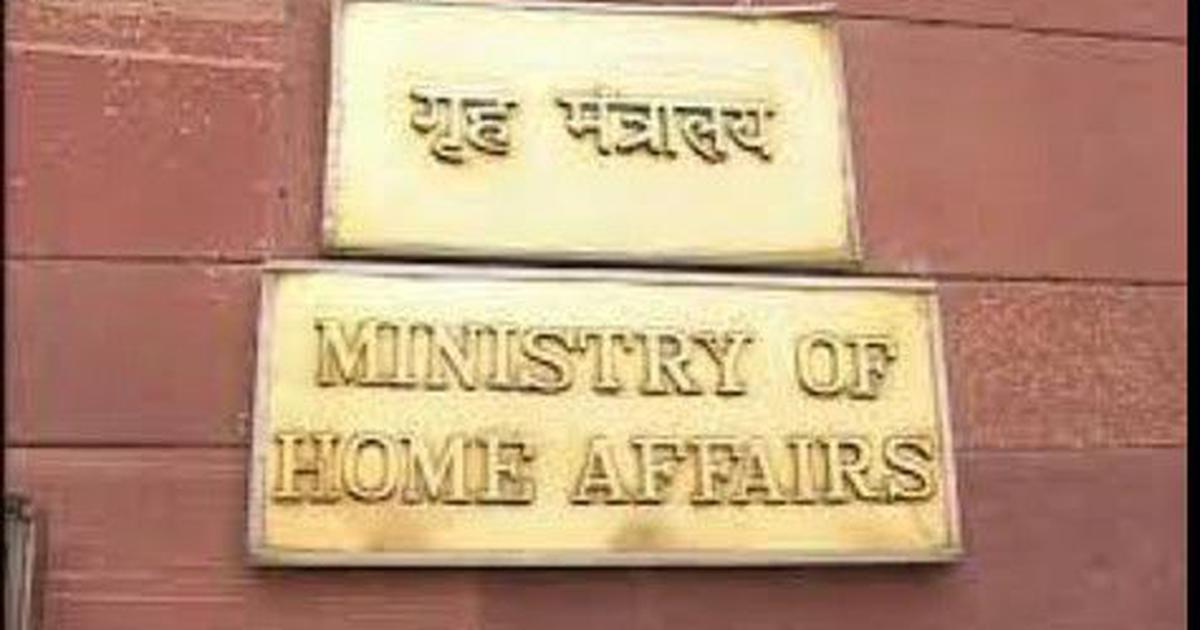
In a significant move aimed at tightening the oversight of non-governmental organizations (NGOs) in India, the Union government has revised the regulations governing the receipt of foreign funds by these entities. On Monday, the Ministry of Home Affairs issued a notification mandating that NGOs specify their operational purposes from a predefined list and indicate the specific states or Union Territories where they intend to operate.
This amendment to the Foreign Contribution Regulation Rules (FCRR) requires all NGOs seeking foreign financing to have a clear delineation of their objectives. The new rules stipulate that registered organizations can only pursue activities from a set list that, while covering various faith-based initiatives, specifically prohibits funding for religious conversions. Approved activities include the construction of places of worship, preservation of religious philosophy, and initiatives aimed at interfaith dialogue and peace.
As part of the regulatory changes, every organization applying for registration under the Foreign Contribution Regulation Act (FCRA) must now clearly outline their intended purpose from the government’s specified list and disclose the geographical areas of operation. This requirement is designed to enhance transparency and accountability within the sector, which has faced scrutiny in recent years.
Existing NGOs registered under the FCRA have been granted a one-year window to comply with these new stipulations, during which they must inform the government of their specific operational purposes and the jurisdictions in which they plan to work. Additionally, organizations will now be required to pay a nominal fee of Rs 300 for their registration applications.
The decision to impose these regulations comes amid ongoing concerns regarding the influence of foreign funds on domestic affairs, particularly in contexts that may pose risks to national security or social harmony. Critics of the move argue that these regulations could stifle the growth of civil society organizations that play a crucial role in grassroots development and advocacy. Nevertheless, the government maintains that these measures are vital for ensuring that foreign contributions are utilized in alignment with the nation’s interests and values.