




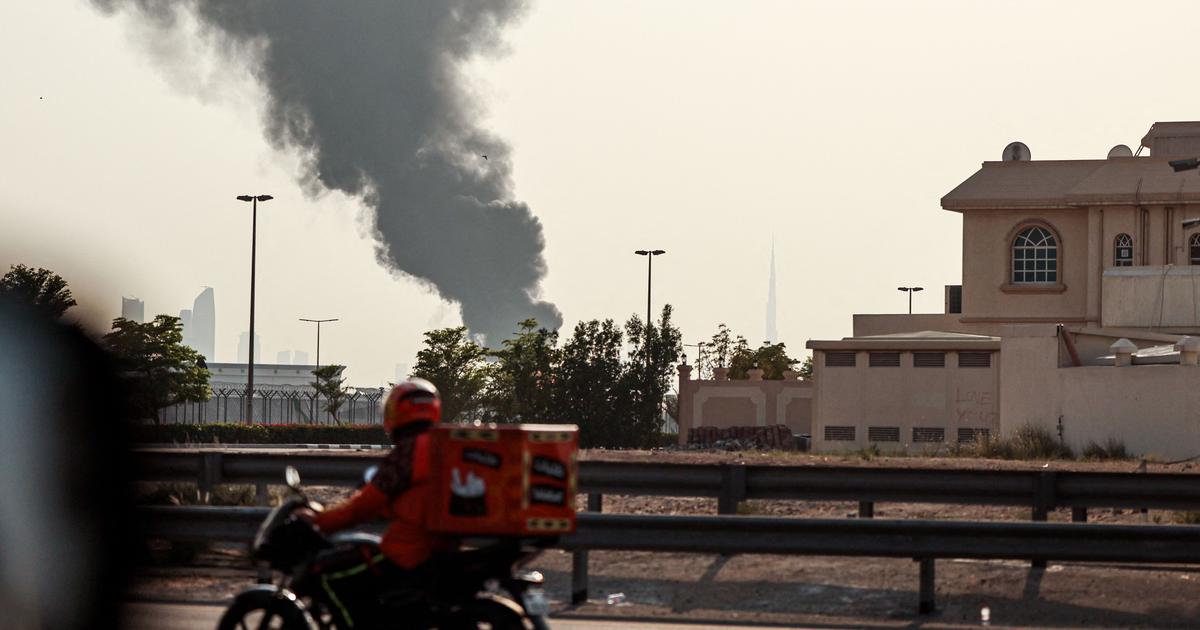
As the ongoing conflict in the Persian Gulf escalates, the repercussions are reaching far beyond the battlefield and impacting everyday life, particularly for gig economy workers. In March, amidst rising tensions between the US, Israel, and Iran, delivery driver Saeed Ahmed, who works for Lulu Hypermarket in Dubai, faced an unnerving challenge that many in the region now confront regularly: GPS navigation failures.
While driving along Al Asayel street, Ahmed relied on his smartphone’s navigation system to deliver goods to a customer. Suddenly, he noticed that the route on his map had inexplicably shifted, rendering the street invisible. Confused and unable to trust his navigation, he pulled over to verify the address with the customer, who confirmed that it was correct. This scenario is becoming increasingly common for delivery drivers across the Gulf, where military entities are utilizing advanced electronic systems to disrupt Global Navigation Satellite System (GNSS) signals, including GPS.
The ongoing conflict has seen military forces in the region employing jamming and spoofing techniques as countermeasures against potential drone and missile threats. These systems can either completely block GPS signals or provide misleading location data to receivers. As a result, this interference has not only affected military operations but has also disrupted civilian life, particularly for those who depend on navigation tools for their day-to-day tasks.
The implications of these disruptions extend well beyond just navigation apps. A recent report from maritime intelligence firm Windward indicates that the disturbances caused by GPS jamming are affecting shipping and logistics, leading to delays and complications in the supply chain. Businesses that rely on precise navigation for deliveries are facing operational challenges, which can have a ripple effect on consumer services in the region.
For countries like India, which have strong ties with Gulf nations through trade and labor, the ramifications of such disruptions could resonate back home. Many Indian expatriates work in the Gulf as delivery personnel, and their ability to earn a livelihood is threatened by these ongoing electronic warfare tactics. The situation calls for greater awareness and adaptation strategies to ensure that such conflicts do not severely affect civilian lives and economic activities across the region.

