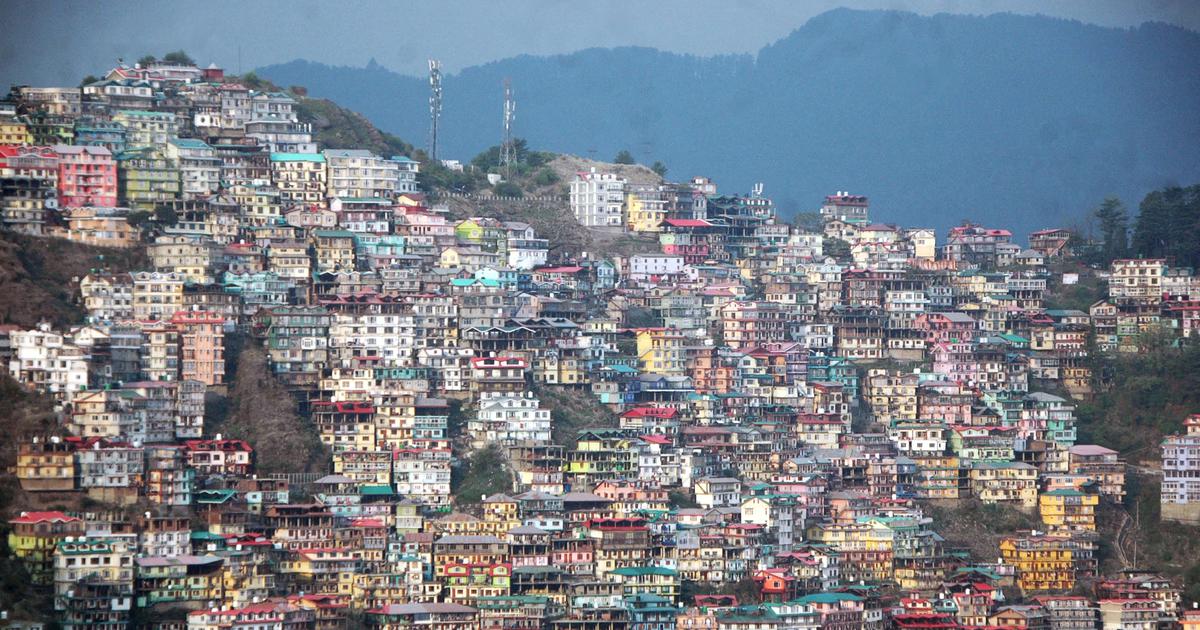
This summer, Himachal Pradesh is witnessing an unprecedented wave of tourists, with the picturesque hill station of Shimla becoming a focal point for travelers escaping the sweltering heat of northern India. On May 24, Nitesh Thakur, a local resident, embarked on a journey from Shimla to his village in Kullu district. What should have been a four-hour drive turned into a grueling six-hour ordeal, thanks to the overwhelming number of tourist vehicles clogging the roads. “Traffic was so dense that cars were overtaking each other on the narrow roads, creating a chaotic scene,” Thakur recounted.
The situation is alarming, as nearly 800,000 tourist vehicles arrived in Shimla throughout May, with a staggering 70,000 of those arriving over the busy weekend of May 22-24 alone. The Shimla-Manali highway, a crucial route leading to several famous tourist destinations, has become synonymous with long traffic jams and overcrowded parking lots. Visitors are flocking to the hill stations to escape the heat, but the environmental consequences of such a surge are starting to emerge.
The rise in tourist numbers can be attributed to the harsh heatwaves that began affecting northern India as early as mid-April. As temperatures soared, many city dwellers sought refuge in the cooler climes of Himachal Pradesh, eager for a respite from the sweltering heat. While this influx is undoubtedly beneficial for the local tourism industry, concerns are mounting regarding the strain it places on the fragile ecosystem of the region.
Local residents and environmentalists have raised alarms about the environmental impact of the tourist rush. The infrastructure in many hill stations is not equipped to handle such large volumes of traffic and visitors, leading to issues like waste management challenges, water shortages, and increased pollution. The narrow roads of Shimla, once serene, are now a cacophony of honking horns and traffic jams, leading to frustration among locals who rely on these routes for their daily commutes.
As the summer progresses, the question remains: how will Himachal Pradesh manage this seasonal influx of tourists while preserving its natural beauty and resources? Local authorities are urged to take proactive measures to mitigate the impact of tourism on the environment, ensuring that the state’s charm and allure are not lost to over-commercialization and neglect.