




The Rise of Digital Authoritarianism: How Democracies Like India and Israel Are Shifting Gears
The phenomenon of “digital authoritarianism” has emerged as a pressing concern, where technology is wielded by governments to monitor, control, and suppress dissent among their citizens. While authoritarian regimes like China have long been seen as the frontrunners in this domain, the unsettling truth is that democracies such as India and Israel are now treading a similar path, raising alarms about the erosion of civil liberties under the guise of security and governance.
In Israel, the government has allowed private companies to export advanced surveillance tools under a strictly regulated framework. A prime example is the infamous Pegasus spyware, developed by the NSO Group. Marketed as a necessary instrument for counterterrorism and major crime investigations, Pegasus has been implicated in the invasive surveillance of journalists, activists, and political adversaries. This spyware can infiltrate mobile devices without any interaction from the user, enabling access to sensitive information including calls, messages, and even the device’s camera and microphone. The implications of such technology have raised significant concerns about privacy and human rights.
Despite Israel’s attempts to tighten regulations on spyware exports in 2021, insisting that sales only proceed to trusted governments for legitimate objectives, the reality remains stark. Revelations in early 2025 highlighted that Paragon Solutions, a spyware firm founded by former Prime Minister Ehud Barak, has developed even more potent surveillance capabilities. This has sparked outrage and suspicion regarding the true extent of governmental oversight and the potential misuse of such technologies against citizens.
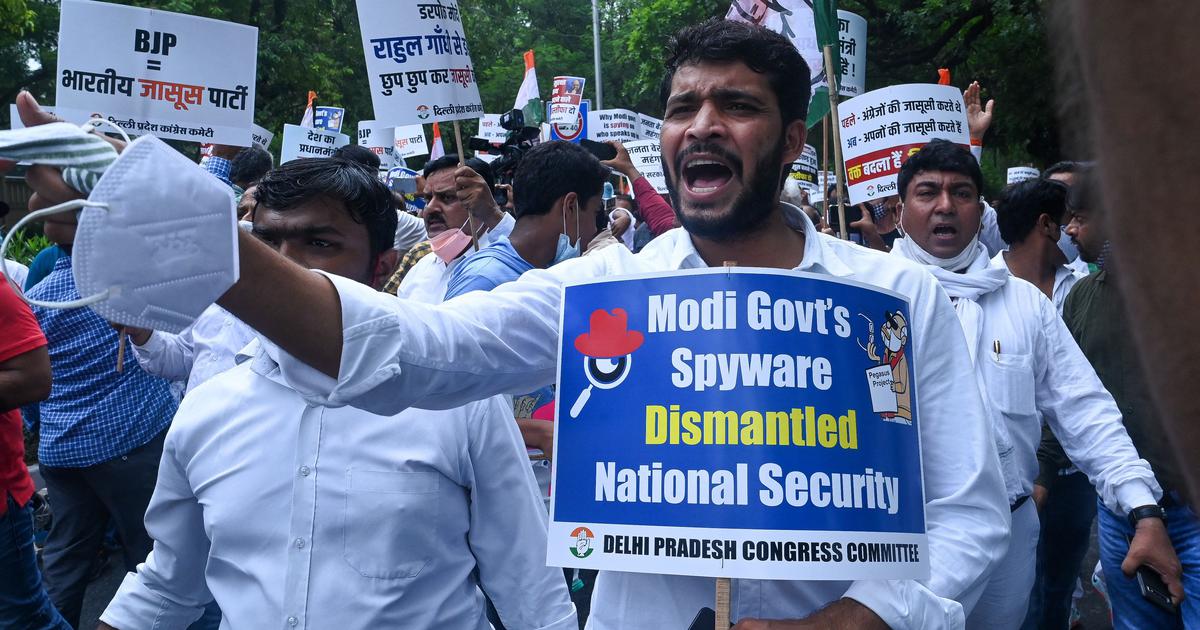
India mirrors this trend with its own troubling developments in digital surveillance. The Indian government has increasingly employed similar tools, often justifying their use under the pretext of national security. Reports indicate that journalists, civil society activists, and opposition politicians in India have found themselves under scrutiny, as the government utilizes advanced digital surveillance techniques that echo authoritarian practices. The potential for misuse of these technologies raises questions about the balance between security and individual freedoms.
The global landscape is witnessing a worrisome drift where democratic nations, once champions of individual rights and freedoms, appear to be adopting the same tactics employed by authoritarian regimes. This shift not only threatens the foundational principles of democracy but also endangers the trust citizens place in their governments. As nations like India and Israel grapple with the challenges of balancing security and civil liberties, the international community must remain vigilant, advocating for accountability and transparency in the use of technological surveillance.

