




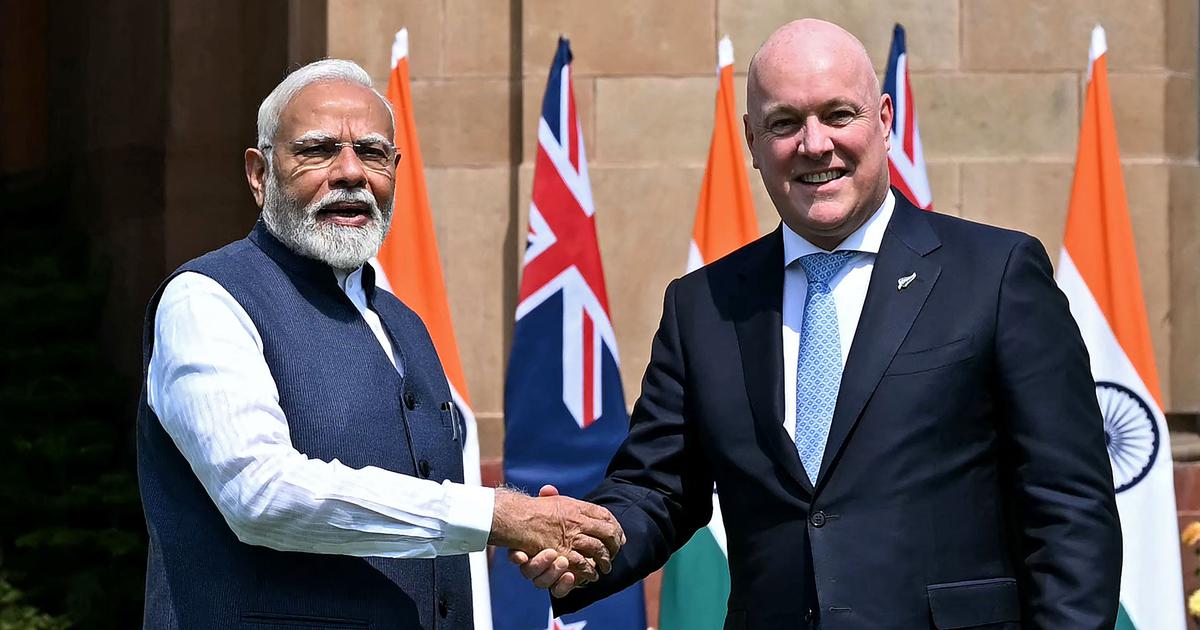
The recent signing of the Free Trade Agreement (FTA) between India and New Zealand has ignited a spirited debate, highlighting contrasting views on its economic implications. While some consider it a monumental opportunity for growth, others raise concerns about potential threats to New Zealand’s economic autonomy, particularly in an election year where political opinions are often polarized.
India, with its burgeoning market of 1.4 billion people, presents an enticing landscape for trade, especially as global migration, economic fluctuations, and inflation remain pressing issues. The FTA aims to dismantle trade barriers across various sectors, including goods, services, capital, and skilled labor. The excitement among exporters is palpable, given that India is projected to experience a robust growth rate of 6.5% over the next two years, outpacing several of New Zealand’s existing trade partners.
An analysis by New Zealand’s Ministry of Foreign Affairs and Trade suggests that the FTA could lead to significant increases in trade, output, and real wages as the country gains enhanced access to the Indian market. Some experts argue that the potential economic benefits could be conservative estimates, given the unexpected gains observed following the New Zealand-China trade agreement.
However, the FTA is not just about goods; it also encompasses services and investment liberalization, areas that have stirred considerable political opposition. Critics fear that New Zealand could face penalties for insufficient investment in India, prompting concerns about the balance of economic engagement between the two nations.
As the political landscape heats up in New Zealand, it remains essential to assess the FTA’s broader implications. With India’s dynamic market and New Zealand’s strong export capabilities, the agreement could pave the way for mutual growth. Nevertheless, careful navigation of the political discourse surrounding immigration and investment will be crucial in ensuring that the economic advantages are fully realized while addressing domestic concerns.

