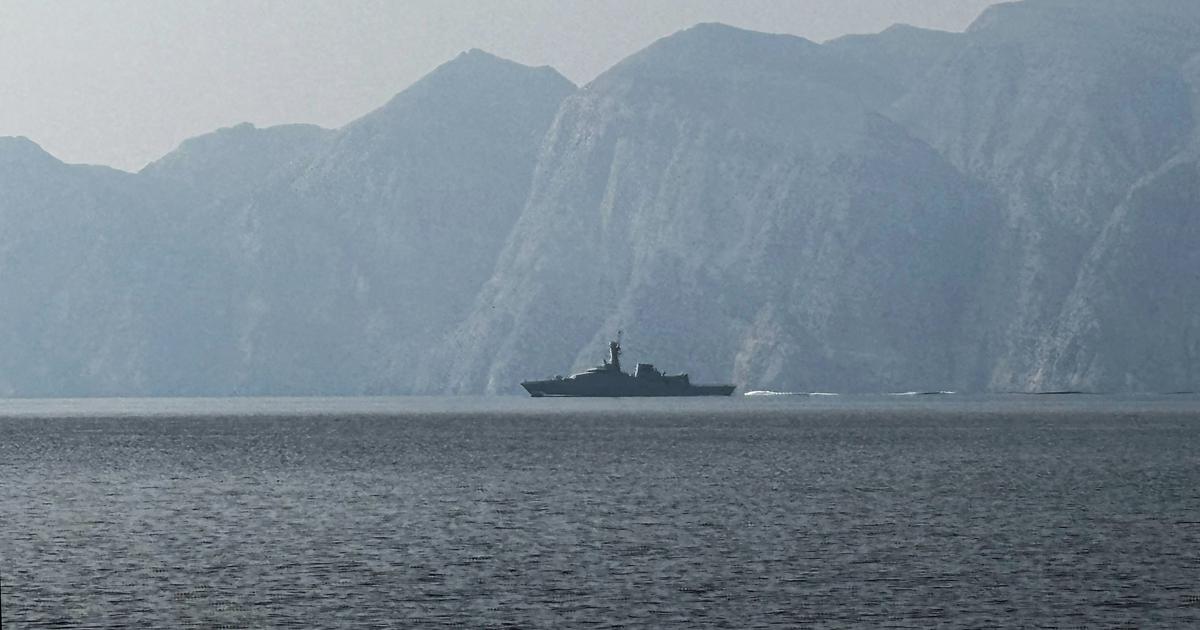
In a significant escalation of regional tensions, Iran’s military leadership announced on Saturday that it plans to close the strategically vital Strait of Hormuz to maritime traffic. This declaration was made in response to what Iran claims are violations of a ceasefire agreement by the United States and Israel. According to the Mehr news agency, the Khatam al-Anbiya Central Headquarters, which oversees Iran’s military operations, described this closure as merely the “first step” against what they term as ongoing aggressive actions.
The closure’s timing is particularly alarming, as it coincides with a day of deadly Israeli airstrikes in Lebanon, which reportedly resulted in the deaths of at least 32 individuals. This military action underscores the fragile nature of peace in the region and raises concerns about the potential for a wider conflict. Iran’s military command warned that if the aggression continues, further measures would be taken, hinting at an escalation that could have serious implications for international shipping routes.
This announcement comes just days after a critical diplomatic breakthrough, where the leaders of Iran and the United States signed a 14-point memorandum aimed at curbing hostilities between the two nations and addressing Israel’s military operations against Hezbollah in Lebanon. The timing appears intentional, as the Iranian leadership seeks to assert its influence and demonstrate its resolve in the face of perceived challenges to its sovereignty.
In the backdrop of this escalating crisis, U.S. Vice President JD Vance indicated plans to travel to Switzerland for discussions aimed at solidifying the recent agreement with Iran. Vance’s comments reflect the intricate nature of diplomatic negotiations, as he noted that scheduling such talks requires careful coordination. The involvement of notable U.S. envoys, including Jared Kushner, is also part of a broader effort to ensure peace and stability in a region fraught with conflict.
This situation is crucial not just for the countries directly involved but also for global economics and security, particularly for nations dependent on oil shipments that pass through the Strait of Hormuz. Any blockade or conflict in this vital waterway could have rippling effects on global oil prices and supply chains. As tensions rise, the world watches closely, hoping for a resolution that will prevent an escalation into larger-scale conflict.