Lyse Doucet’s ‘The Finest Hotel in Kabul’ Captures the Heart of Afghanistan’s Turbulent Journey
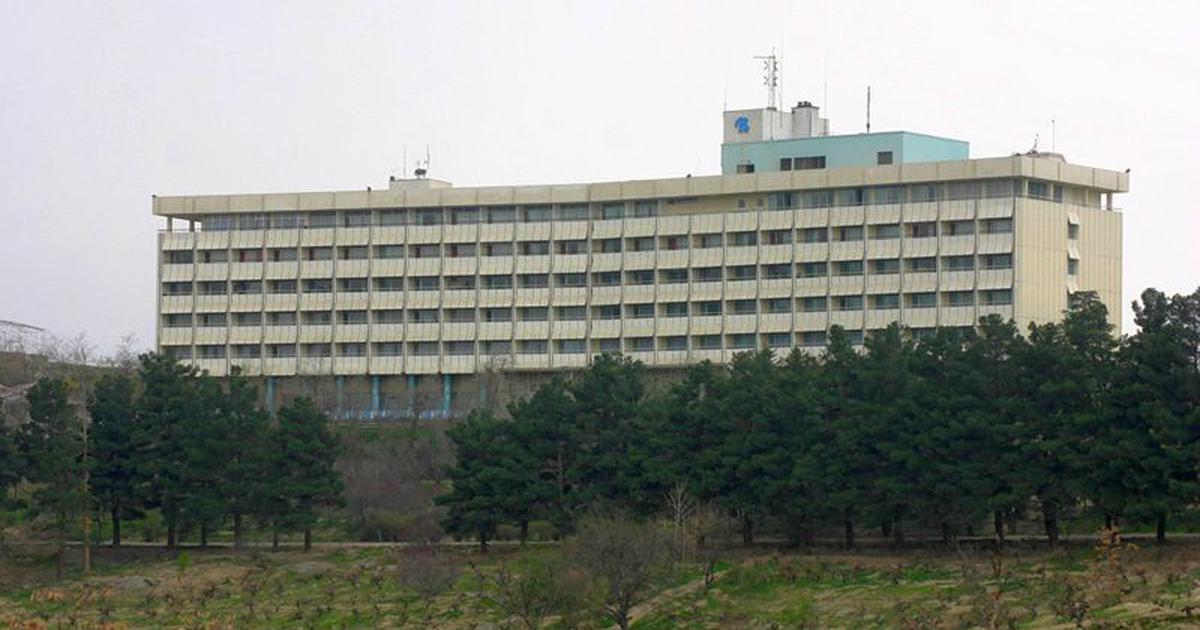
A poignant exploration of Afghanistan’s tumultuous history is encapsulated in Lyse Doucet’s award-winning book, ‘The Finest Hotel in Kabul: A People’s History of Afghanistan.’ This insightful narrative delves into the story of the Intercontinental Hotel in Kabul, which has served as a temporary refuge for countless travelers since its establishment in 1969. Doucet, a seasoned BBC journalist and the current foreign affairs editor, employs this iconic institution to weave together the experiences of Afghan people against the backdrop of the country’s sweeping socio-political changes.
Through the lens of the Intercontinental Hotel, which majestically overlooks the city from its hillside perch, Doucet offers readers a unique vantage point to understand Afghanistan’s profound transformations. The book not only recounts the history surrounding this hotel but also highlights the resilience and spirit of the Afghan people, who have endured decades of uncertainty, war, and change. The narrative illustrates how, despite the challenges, hospitality remains a cornerstone of Afghan culture, connecting individuals from diverse backgrounds.
Afghanistan has historically been positioned at the crossroads of the Silk Road, a critical hub that facilitated trade and cultural exchange for centuries. Doucet emphasizes that the hotel serves as a modern-day reflection of the ancient caravanserais—inns that provided shelter and security to travelers and traders. These establishments played a vital role in fostering relationships and facilitating dialogue, forming an integral part of Afghanistan’s rich heritage of commerce and hospitality.
Doucet’s work is particularly valuable in shedding light on the moral fabric of Afghan society, where caring for guests is deeply ingrained in local customs. The narrative extends beyond the confines of the hotel, illustrating the significance of communal gathering places and the hospitality extended by families in villages, as well as the affluent. In an age marked by conflict and division, the book celebrates the enduring values of kindness and community that persist in Afghan culture.
Winning the coveted Women’s Prize for Nonfiction in 2026, ‘The Finest Hotel in Kabul’ not only honors the past but also serves as a crucial reminder of the narratives that often go unheard amidst global discourse. Doucet’s eloquent storytelling invites readers to engage with a perspective that transcends the headlines, providing a nuanced understanding of the Afghan experience through the stories of individuals who have sought refuge and connection.