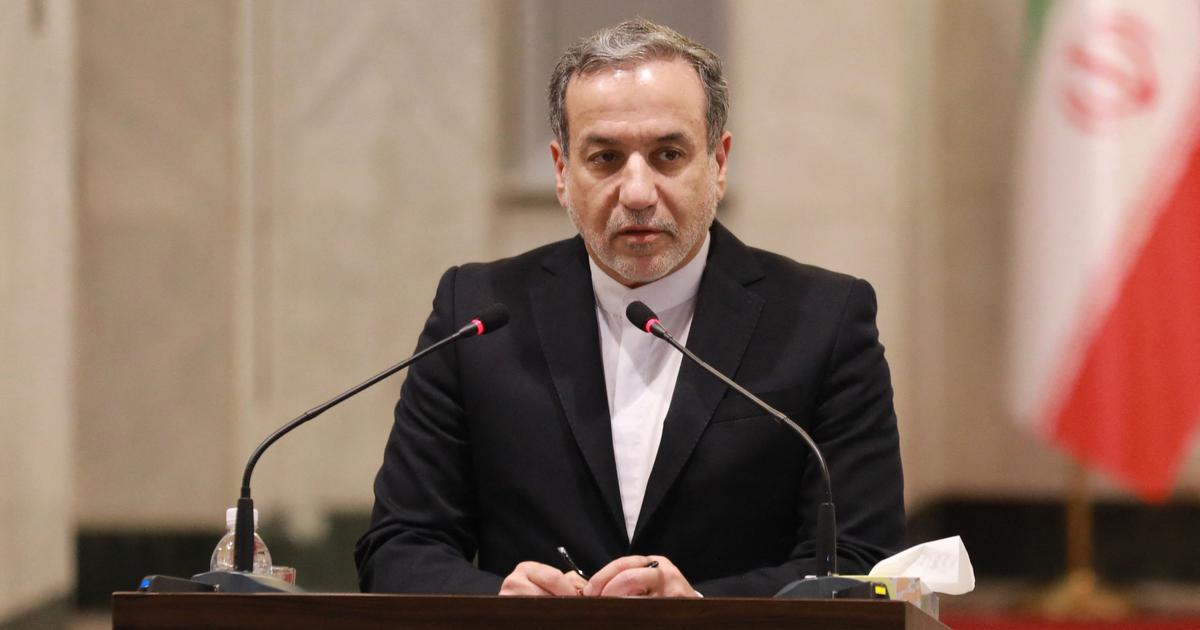
In a significant development in regional diplomacy, Iranian Foreign Minister Seyed Abbas Araghchi landed in Islamabad on Friday evening. His visit comes at a crucial time as discussions geared towards resolving the ongoing conflicts in West Asia are anticipated to take place. According to reports from Al Jazeera, the Iranian foreign ministry clarified that there would be no direct dialogues with U.S. officials during this trip, as Tehran plans to channel its stance through Pakistan.
Esmaeil Baghaei, spokesperson for Iran’s foreign ministry, indicated that Araghchi’s insights and observations will be passed to the U.S. via Pakistani diplomats. This indirect communication method underscores the intricate diplomatic landscape in the region, which often requires mediators to facilitate discussions among rival nations. Araghchi himself emphasized on social media that this trip includes not only Pakistan but also Oman’s Muscat and Russia’s Moscow, highlighting Iran’s strategy to strengthen ties with its neighbors and coordinate on bilateral and regional issues.
In response to these developments, the United States has also dispatched its own diplomatic envoys to Pakistan. The White House announced that Special Envoy to the Middle East, Steve Witkoff, and Special Envoy for Peace, Jared Kushner, will be part of these ongoing discussions. During a recent interview with Fox News, a spokesperson for the White House expressed optimism about these talks, stating, “We’re hopeful that it will be a productive conversation and hopefully move the ball forward to a deal.” This sentiment reflects U.S. intentions to engage diplomatically with Iran amid ongoing tensions surrounding Iran’s nuclear program.
The backdrop of these talks can be traced back to a previous indirect dialogue held in Geneva on February 27, where Araghchi engaged with the U.S. envoys regarding Iran’s nuclear ambitions. The complexities of these negotiations are a critical aspect of West Asian geopolitics, especially given Iran’s pivotal role in the region. The Iranian government maintains that its nuclear program is intended for peaceful purposes, yet it faces skepticism from the U.S. and its allies, who fear potential military applications.
As the situation unfolds, the outcomes of these talks could have far-reaching implications not just for Iran and the United States, but also for regional stability in South Asia and beyond. With Pakistan acting as a conduit for communication, the potential for a breakthrough in the dialogue may offer a glimmer of hope amidst heightened tensions. For Indian observers, this development not only highlights the intricacies of international diplomacy but also the critical role that South Asia plays in the larger narrative of Middle Eastern politics.