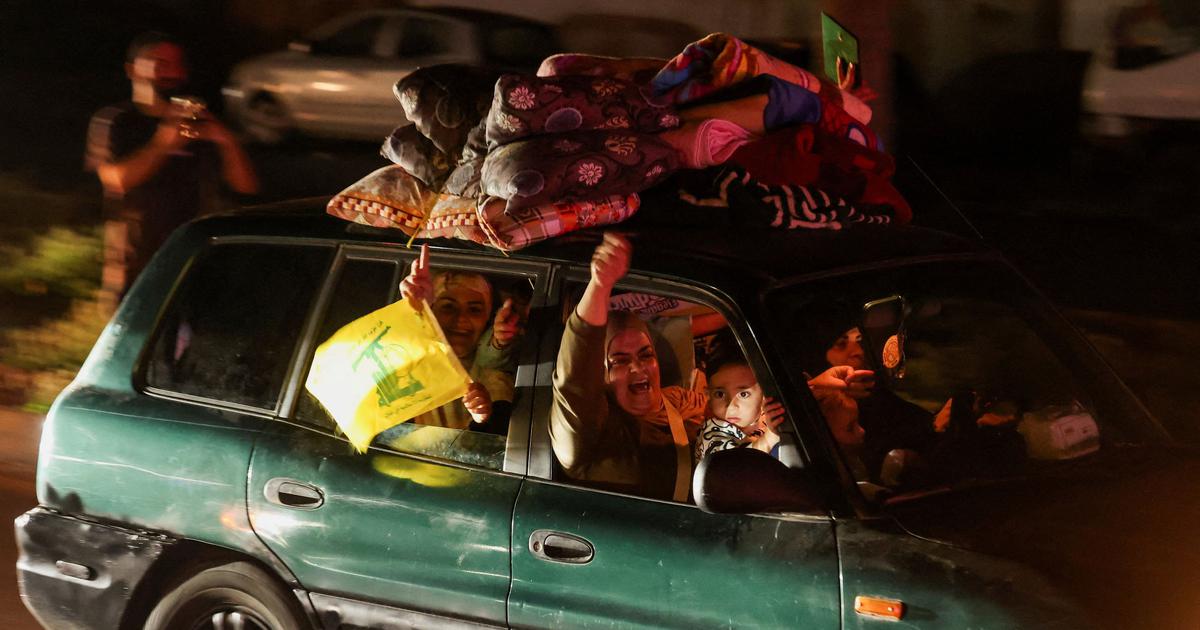
A significant development in the ongoing conflict between Israel and Lebanon unfolded on Friday as a 10-day ceasefire took effect, bringing a wave of relief and celebration to the streets of Beirut. The announcement was made by U.S. President Donald Trump, who revealed that he had engaged in fruitful discussions with both Lebanese President Joseph Aoun and Israeli Prime Minister Benjamin Netanyahu. This diplomatic intervention has brought a moment of pause amidst longstanding tensions in the region, albeit under precarious circumstances.
While the ceasefire has been welcomed by many, the situation remains fraught with complications. Notably, the Lebanese militant group Hezbollah has not officially joined the ceasefire agreement, though President Trump expressed a hope that its members would maintain a calm demeanor during this critical period. This uncertainty continues to cast a shadow over the fragile peace, as Hezbollah’s stance remains a key factor in the region’s stability.
According to reports from the Lebanese Army, instances of what they termed “acts of aggression” by Israeli forces were noted shortly after the ceasefire commenced. This has prompted the Army to issue warnings to residents in southern Lebanon to remain cautious and avoid returning to their homes until the situation stabilizes. The ongoing military presence of Israeli troops in southern Lebanon has been a contentious issue, with Prime Minister Netanyahu asserting that the Israeli Defense Forces will maintain an expanded security zone during the ceasefire. He articulated that this area, designed to provide security, extends from the Mediterranean Sea to the Syrian border, encompassing regions like Mount Dov and the outskirts of Mount Hermon.
Hezbollah has responded to these developments by indicating that the continued presence of Israeli military personnel would warrant a defensive response from their forces. This creates a complex dynamic where the ceasefire is at risk of being undermined by ongoing military actions. The situation remains delicate, as both sides must navigate the intricate web of geopolitical interests, local sentiments, and the overarching desire for peace.
As the ceasefire unfolds, it offers a temporary respite that many hope could lead to a longer-term resolution. However, the deeper issues that have fueled this conflict remain unaddressed, and vigilance is required from both the international community and regional stakeholders to ensure that this pause in hostilities does not devolve into further violence. For the citizens of Lebanon, the ceasefire represents not just a break from conflict but a glimmer of hope for a future unburdened by war.