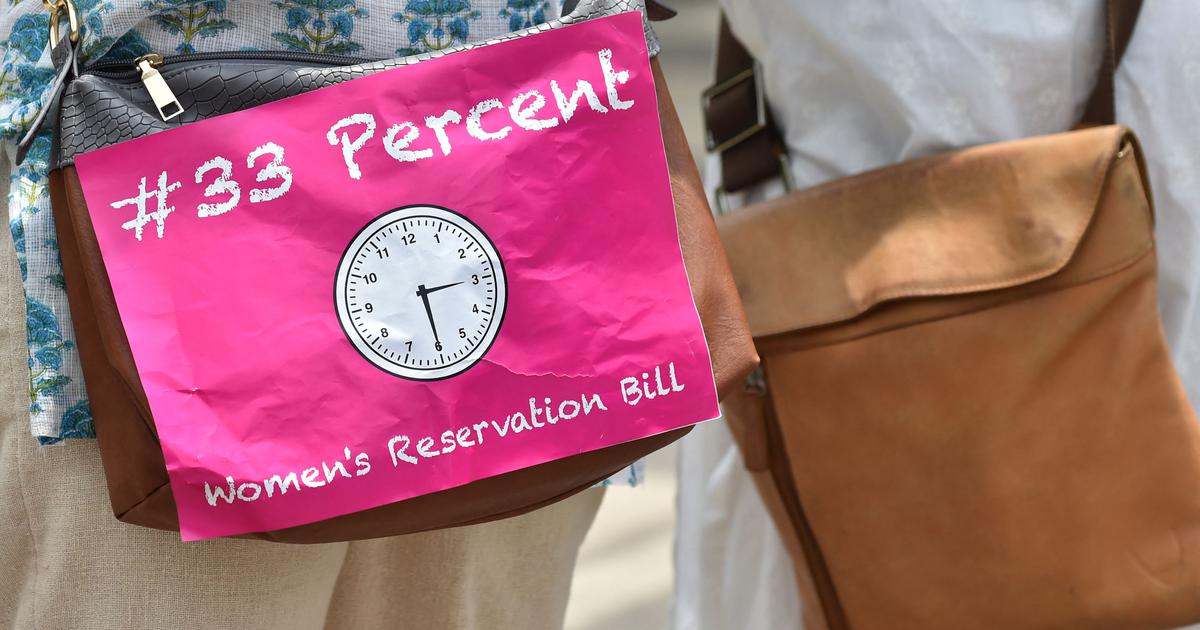
On Thursday, the Union Law Ministry officially implemented the Women’s Reservation Act of 2023, which guarantees a 33% reservation for women in both the Lok Sabha and State Legislative Assemblies. This pivotal move is set against the backdrop of ongoing debates in Parliament regarding constitutional amendments related to the Act, including proposals aimed at adjusting its implementation timeline.
The gazette notification has declared that the provisions of the 2023 Constitution (One Hundred and Sixth Amendment) Act are now effective as of April 16. However, the actual execution of the law remains contingent upon the completion of a delimitation exercise, which in turn will rely on the outcome of the first Census conducted subsequent to the bill’s passage.
This legislative milestone comes after the Act received the President’s assent earlier this year, but its actual enforcement was delayed pending a formal notification from the Union Government. The current discussions in Parliament are critical, as they involve necessary amendments that must gain approval from both the Lok Sabha and the Rajya Sabha. These amendments require a special majority, meaning that two-thirds of the members present must cast their votes in favor.
Notably, the ruling National Democratic Alliance (NDA) lacks a two-thirds majority in the Lok Sabha, which means it will need to seek the support of other political parties to successfully pass the proposed amendments. This scenario adds another layer of complexity to the legislative process, as the NDA navigates the political landscape to ensure the timely and effective implementation of the Women’s Reservation Act.
While the enactment of this law marks a significant step towards gender equality in Indian politics, the actual impact of the reservation policy will only be felt after the delimitation exercise is completed. This delay could extend the timeline for women’s participation in legislative bodies, which many advocates argue is essential for ensuring that women’s voices are adequately represented in the political arena. The commitment to reserving seats for women underscores a growing recognition of the need for inclusivity in governance, reflecting a broader movement towards empowering women across various sectors in India.