Jammu and Kashmir People’s Conference Leader Sajad Gani Lone Under House Arrest on Father’s Death Anniversary
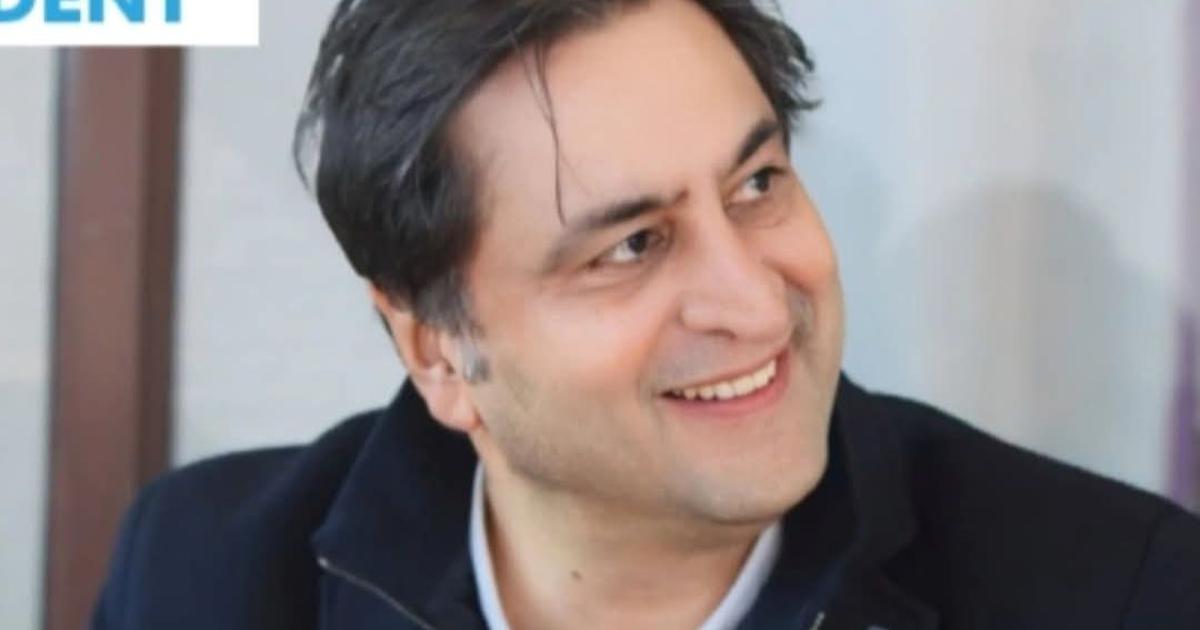
The chief of the Jammu and Kashmir People’s Conference (JKPC), Sajad Gani Lone, has reportedly been placed under house arrest on the significant occasion of his father Abdul Gani Lone’s 24th death anniversary. This has raised eyebrows and sparked outrage among party members and supporters alike, as they perceive it as a blatant infringement on democratic rights.
In a statement shared via social media, the People’s Conference alleged that not only was their leader confined to his home, but several senior members and activists also faced restrictions that prevented them from visiting the Shaheed Mazaar in Srinagar, where Abdul Gani Lone was laid to rest. The party expressed its discontent, stating that blocking their homage to a figure revered for his political foresight and commitment was not only unfortunate but fundamentally undemocratic.
“Such actions are deeply insensitive, hurt public sentiments, and erode the pillars of democracy,” the party articulated in their statement. They emphasized the importance of remembering a leader who had made significant sacrifices for the region’s political landscape. The police, however, have yet to provide any comment regarding the allegations made by the JKPC.
Abdul Gani Lone was assassinated by militants on May 21, 2002, a tragic event that occurred as he was departing from a rally organized by the Hurriyat Conference to commemorate Mirwaiz Moulvi Mohammad Farooq, who himself had been killed by militants on the same date, twelve years earlier. This day not only marks a significant loss for the Lone family but also serves as a reminder of the turbulent history that has shaped Jammu and Kashmir.
As the anniversary of his father’s death approached, Sajad Gani Lone had intended to honor his legacy by paying respects at the mausoleum. The restrictions imposed on the party members have drawn criticism for appearing to stifle political expression and remembrance, particularly on a day that holds immense historical and emotional weight.
The People’s Conference, under Lone’s leadership, has consistently advocated for the rights and aspirations of the people in Jammu and Kashmir. As the region continues to grapple with its complex socio-political issues, incidents like these only add to the longstanding tensions between political entities and government authorities.
In the wake of these developments, the JKPC has vowed to continue its fight for democratic rights and has called upon the public to remain united in the face of such actions. The arrest of their leader on such a poignant day serves as a potent reminder of the challenges that still lie ahead in the region’s quest for a peaceful and democratic future.