Lessons from Legends: How Einstein, Keynes, and Gandhi Can Guide Us Towards a Better World
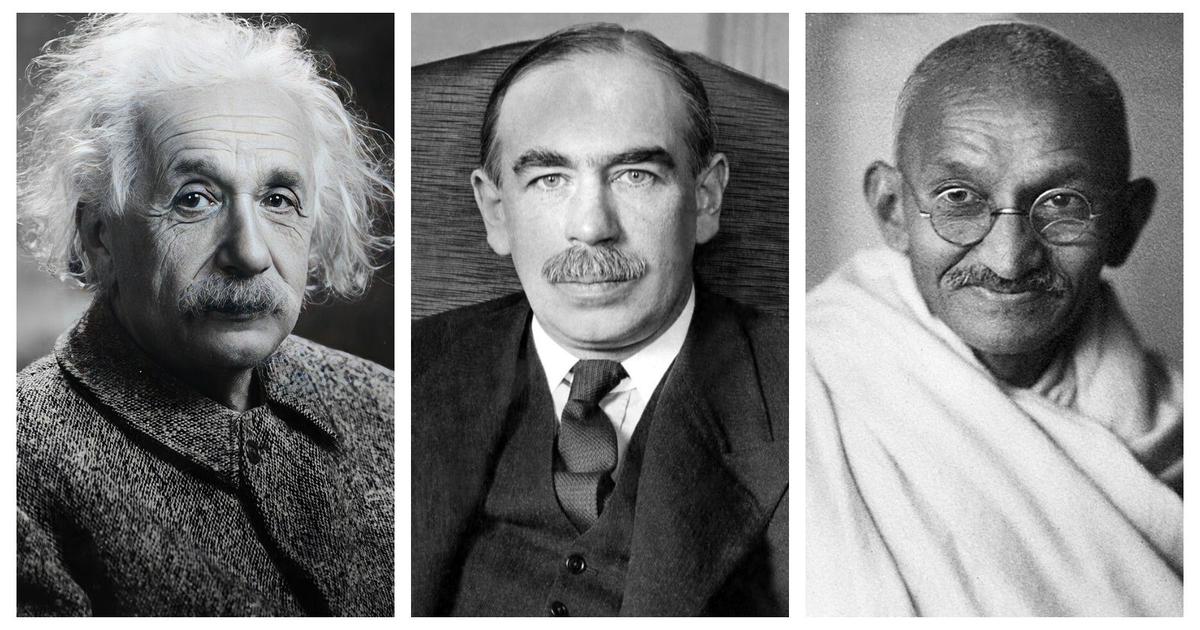
In an era marked by escalating climate challenges, widening economic divides, and rising violence, the urgency to address global issues has never been greater. As humanity grapples with these pressing concerns, it becomes crucial to seek wisdom from historical figures who have left an indelible mark on society. Albert Einstein, John Maynard Keynes, and Mahatma Gandhi represent three pillars of thought—science, economics, and socio-political change—each offering invaluable insights for navigating our contemporary dilemmas.
As the United Nations prepares to unveil its latest assessment regarding the Sustainable Development Goals (SDGs) on June 23, a stark picture emerges. Established in 2015, these 17 goals aim to tackle a range of interconnected issues, including environmental degradation, poverty, inequality, and governance failures. However, the findings are sobering. A report in 2024 revealed that only 16% of the goals are on track, while a staggering 68% are stagnant, and in 16% of cases, progress has regressed.
The implications of these statistics are profound. Climate change, if unchecked, exacerbates poverty, while societal inequalities threaten public health and education systems—crucial components for sustainable development. The root of these challenges lies in the breakdown of global governance structures, which are essential for coordinated efforts to tackle multifaceted crises. The question arises: How can we reconcile these challenges? Turning to the teachings of Einstein, Keynes, and Gandhi may provide the necessary guidance.
Einstein’s scientific perspective emphasizes the interconnectedness of our problems. His belief that technological advancements should serve humanity rather than detract from it suggests a need for ethical considerations in our approach to innovation. Meanwhile, Keynes’s economic theories remind us that sustainable growth cannot exist in isolation. Addressing poverty and inequality must go hand-in-hand with fostering economic stability and resilience. Finally, Gandhi’s principles of non-violence and community-centric governance offer essential lessons for socio-political transformation—an integral aspect of achieving the SDGs.
As we look forward, it’s clear that successful navigation of these global challenges requires a holistic approach. Each of the Sustainable Development Goals is interlinked; progress in one area invariably impacts others. To truly make strides towards a better world, we must adopt a framework that promotes cooperation and innovation across disciplines. The wisdom of the past can illuminate pathways toward a more equitable and sustainable future.