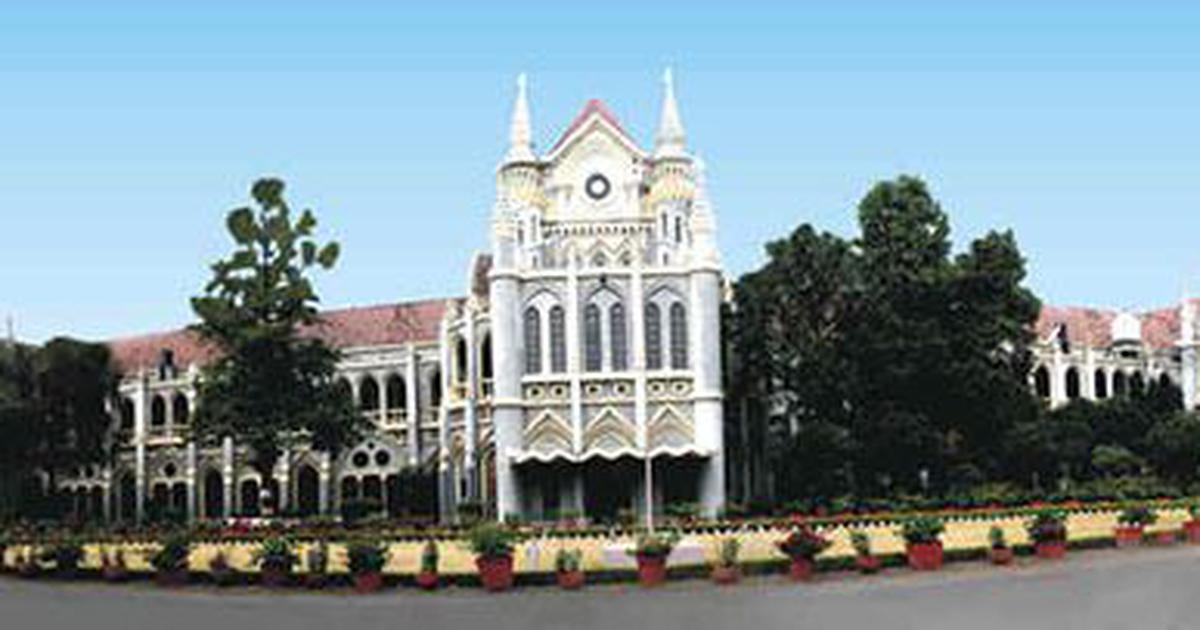
The Madhya Pradesh High Court has extended bail to two individuals who were detained last month in Raisen district due to their participation in an Instagram reel that expressed solidarity with Iran amidst the ongoing conflict in West Asia. The accused, Wasim Khan and Yousuf Mehafooz, were apprehended on March 8 after a local resident lodged a complaint against them, alleging that their social media post incited communal discord.
On March 7, Brajesh Chavariya, the complainant, reported to the police that he had viewed a video wherein the two men proclaimed, “Hindustan ka musalman na kal dara tha na ham aaj darengey,” translating to “Indian Muslims were not afraid yesterday, and nor are they afraid today,” indicating their support for Iran. This video was perceived as provocative by some, leading to the legal action against the men under charges of promoting enmity among distinct groups.
During the proceedings, Justice Ramkumar Choubey of the Madhya Pradesh High Court emphasized that the Instagram post did not inherently incite hostility based on religion, race, or nationality. In his ruling on April 9, the judge stated that the content merely reflected a protest in favor of a foreign nation and could not be interpreted as an attempt to foster animosity within the diverse fabric of Indian society.
The judge further highlighted that the police’s actions appeared to be based on insufficient evidence. He pointed out that the FIR against Khan and Mehafooz was filed without adequate substantiation of the alleged offenses, raising concerns about the motivations behind the detentions. Choubey remarked that the case against the duo lacked the necessary grounds to be considered valid, thus making it an appropriate scenario for the granting of bail.
This incident has sparked a broader conversation about freedom of expression in India, especially on social media platforms. It raises important questions about the limits of artistic and political expression in relation to national sentiments and the potential repercussions individuals may face for expressing solidarity with international causes. As the legal proceedings unfold, many are keenly observing how the judiciary will navigate the delicate balance between maintaining public order and upholding the fundamental rights of individuals in a diverse democracy.