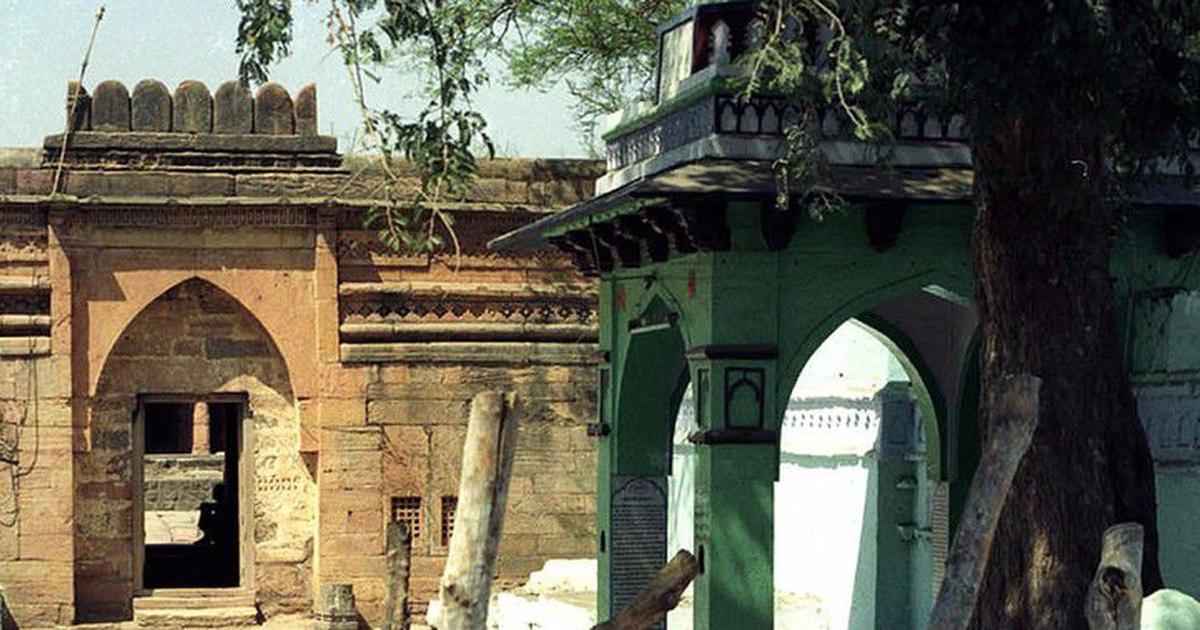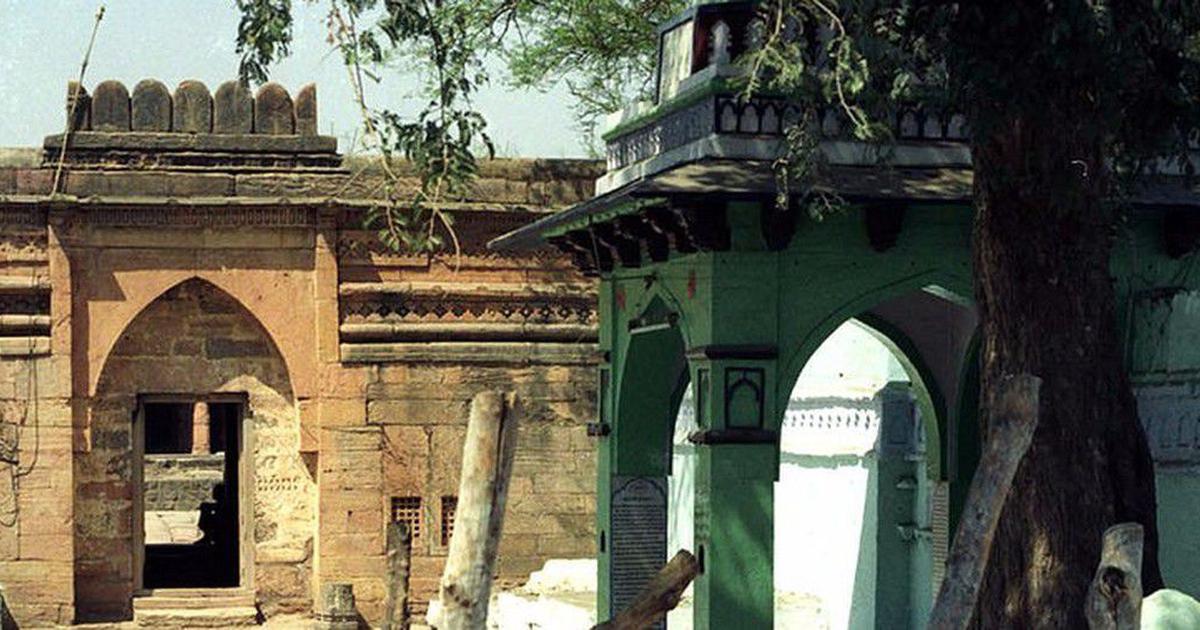
The Madhya Pradesh High Court delivered a significant ruling on Friday, declaring that the contested Bhojshala-Kamal Maula mosque complex in Dhar district is, in fact, a temple dedicated to the Hindu goddess Saraswati. This decision has stirred considerable public interest and debate, highlighting the ongoing cultural and religious tensions surrounding this historical site.
A bench comprising Justices Vijay Kumar Shukla and Alok Awasthi quashed a 2003 directive from the Archaeological Survey of India (ASI) that allowed Hindus to worship at the site on Tuesdays while permitting Muslims to conduct prayers on Fridays. The court’s ruling emphasizes the historical significance of the location as a center for Sanskrit learning, reinforcing its identity as a temple rather than a mosque.
In a noteworthy aspect of the ruling, the High Court has also allowed the Muslim community to seek alternative land within Dhar district for constructing a mosque. The judges advised that if such a request is made, the state government should evaluate it in accordance with legal norms. This move aims to address the needs of both communities while acknowledging the site’s new designation.
The court’s decision sheds light on the deep-rooted historical narratives associated with the Bhojshala-Kamal Maula complex. Archaeological evidence and historical literature presented during the proceedings indicated that the site has long been revered for its connection to Saraswati, the goddess of knowledge and arts. This finding has the potential to reshape local religious practices and community interactions.
The bench directed the Union government and the ASI to formulate a framework for managing and preserving the site, emphasizing that the ASI will oversee the conservation of the complex and regulate religious activities conducted there. This supervisory role aims to ensure that the site is maintained respectfully, considering its newfound status.
Earlier this year, on March 11, 2024, the High Court had instructed the ASI to conduct a thorough survey of the site in response to a petition from the Hindu Front for Justice, which claimed that the location has significant religious importance for Hindus. The court’s recent ruling reinforces this claim while also presenting a pathway for the Muslim community to seek a new place of worship, underscoring the need for coexistence amidst differing beliefs.