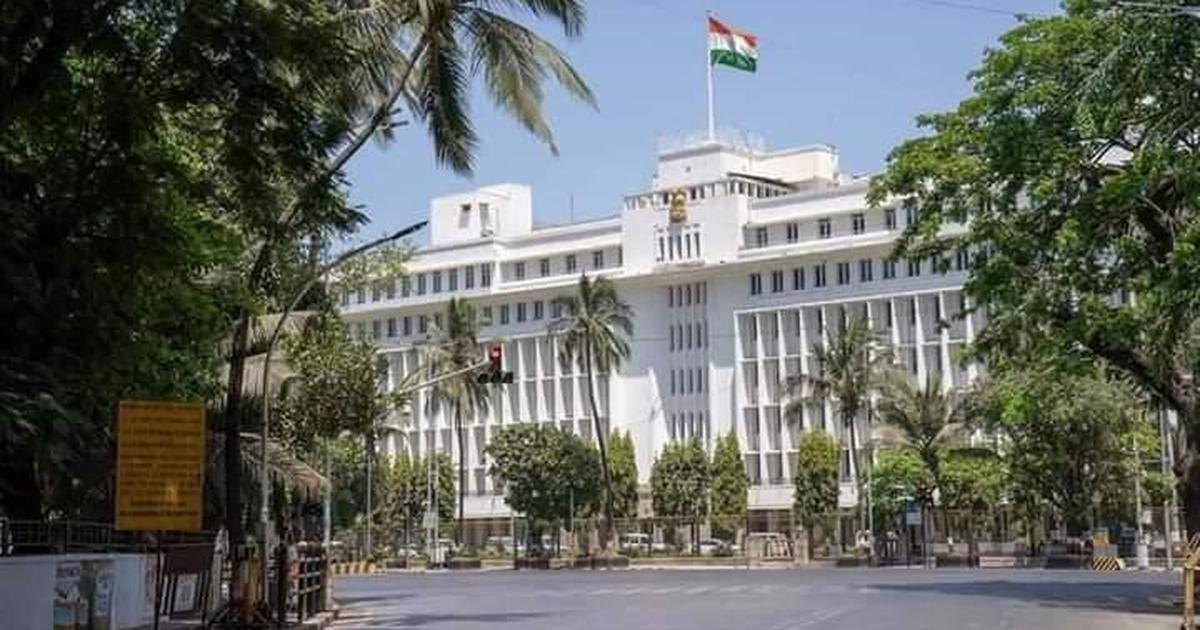
In a significant shift in protocol, government officials in Maharashtra are no longer mandated to stand and greet Members of the Legislative Assembly (MLAs) or Members of Parliament (MPs) who have been convicted of criminal offenses or are facing inquiries. This change comes from a circular issued by the state’s general administration department on Tuesday, which amends previous guidelines that required officials to uphold formalities regardless of the representatives’ legal standings.
The circular alters an earlier directive from November 20, which stipulated that officials must rise to acknowledge lawmakers upon their arrival and departure. Under the new rules, if a public figure has been convicted, summoned for an inquiry, or is present for election-related activities, they will be treated like any other citizen, effectively removing the special protocols that once governed such interactions.
Chief Secretary Rajesh Agarwal signed the updated directive, which emphasizes a more egalitarian approach towards elected officials who may not be in good legal standing. The statement clearly articulates that officials are not expected to stand or greet these representatives, fostering an environment of accountability and reinforcing the principle that legal issues should not be overlooked due to political status.
This move comes amidst growing concern over how lawmakers, particularly those with criminal convictions, are treated in the political arena. By stripping away the ceremonial formalities, the Maharashtra government aims to send a strong message about the importance of accountability in governance. The previous directive had faced criticism after some MLAs voiced discontent regarding how they were treated during official engagements, but the new rules aim to rebalance this dynamic.
As Maharashtra continues to navigate its political landscape, this reformation of protocol could serve as a precedent for other states, potentially influencing how government officials interact with lawmakers across the country. This development not only reflects a shift in administrative policy but also resonates with the broader call for transparency and integrity in Indian politics.