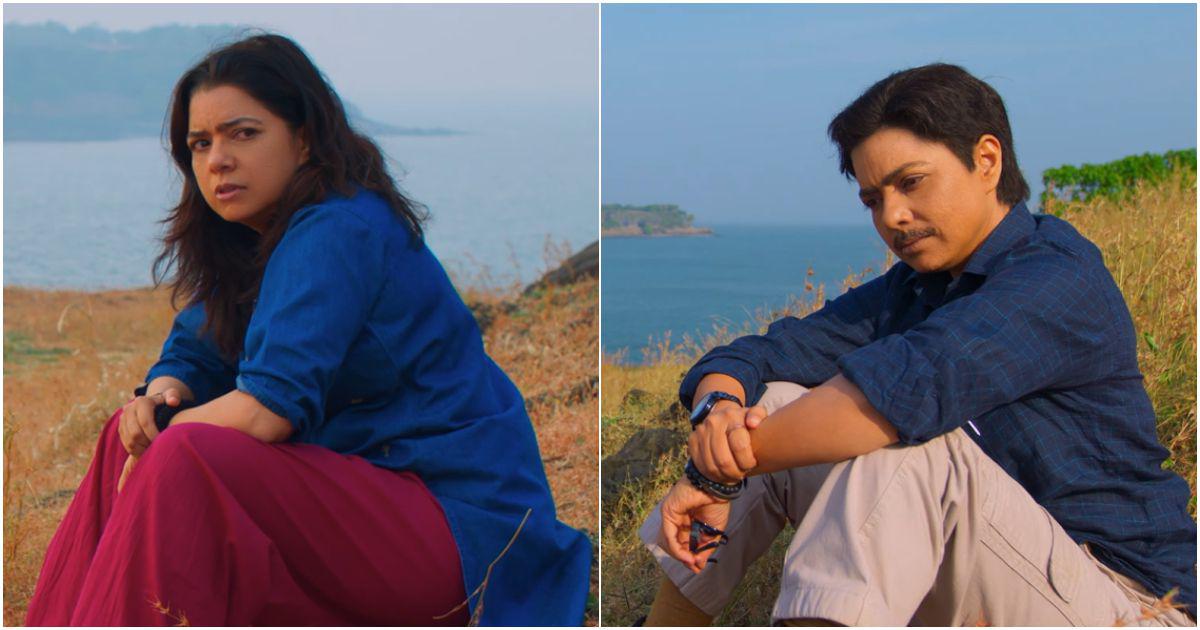
The world of Marathi cinema continues to push boundaries with its latest offering, ‘Baapya,’ a comedy that has both entertained and provoked thought among audiences. The film unfolds in a quaint village, where the unexpected return of a woman as a man sends shockwaves through the community. This intriguing premise explores themes of identity, gender roles, and societal norms in a humorous yet poignant manner.
‘Baapya’ centers around the character of a woman who, after a significant absence, returns to her village, but this time, she presents herself as a man. Her transformation leads to a series of comedic misunderstandings and a closer examination of gender dynamics within the rural setting. The villagers, initially taken aback, slowly begin to grapple with their perceptions of masculinity and femininity, making for a narrative rich in humor and social commentary.
The film’s comedic elements work hand-in-hand with deeper reflections on how society constructs gender identities. As the protagonist navigates her new life as a man, the reactions from the villagers range from shock to acceptance, opening up dialogues about the fluidity of gender. The film cleverly employs satire to critique traditional views while also highlighting the absurdities that arise from rigid gender expectations.
Directed by a prominent figure in Marathi cinema, ‘Baapya’ features a talented cast that brings the story to life with their compelling performances. The film not only aims to entertain but also to challenge viewers to rethink their biases and consider the complexities of gender identity. As audiences laugh at the characters’ antics, they are also encouraged to reflect on their own beliefs about gender and identity.
In a country where discussions around gender are often fraught with tension, ‘Baapya’ emerges as a refreshing take on the subject. By blending comedy with social critique, it opens the door for conversations that resonate well beyond the silver screen. As the film gains traction, it is likely to inspire further discourse on the evolving understanding of gender roles in contemporary Indian society.