The Mental Health Crisis in India and the World: Why Emotional Well-Being Can No Longer Be Ignored
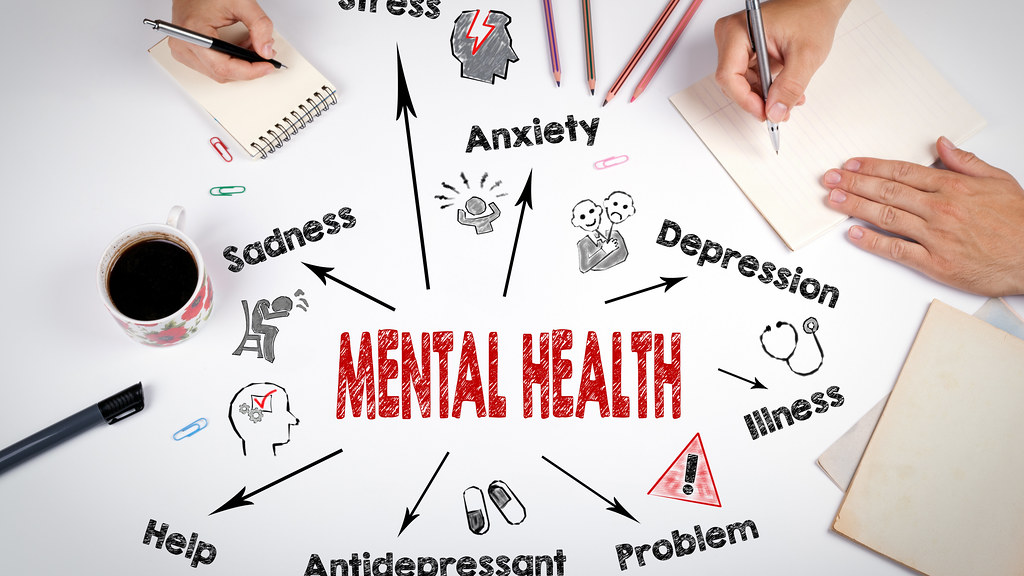
In today’s fast-moving world, people are more digitally connected than ever before, yet many continue to experience emotional isolation, anxiety, and mental exhaustion. Mental health concerns are increasingly being discussed as one of the major public health and social challenges of the modern era. Academic pressure, unemployment, social media influence, financial stress, and changing lifestyles have contributed to growing emotional strain, especially among young people.
In India, awareness regarding mental health has increased significantly in recent years. Rising stress levels among students, professionals, and families have highlighted the need for emotional support systems, counseling services, and mental wellness awareness.
Mental health is no longer viewed only as an individual concern. It has become an important social, educational, and economic issue that requires collective attention.
Understanding the Growing Mental Health Challenge
For many years, mental health remained a sensitive topic in several societies due to stigma and lack of awareness. In India and many other countries, emotional struggles were often ignored or misunderstood, discouraging people from openly seeking help.
Modern lifestyles, increasing competition, digital dependency, and work-life imbalance have further contributed to emotional stress. The COVID-19 pandemic also brought greater attention to mental well-being as millions experienced loneliness, uncertainty, and psychological pressure during and after the crisis.
Experts and healthcare professionals now emphasize the importance of emotional resilience, counseling, and early support in addressing mental health challenges.
Impact on Young People
Young people are among the groups most affected by stress and emotional pressure. Academic competition, career uncertainty, and social expectations often create psychological strain among students and working professionals.
Social media has also influenced mental well-being in various ways. Constant comparison with online lifestyles and the pressure for social validation can affect confidence and emotional stability.
Mental stress may impact concentration, productivity, relationships, and overall quality of life. In severe situations, untreated emotional distress can contribute to depression, addiction, or self-harm tendencies, making timely support and awareness extremely important.
Why Mental Stress Is Increasing
Several factors have contributed to increasing emotional stress in modern society:
- Competitive educational and professional environments
- Financial insecurity and unemployment concerns
- Excessive digital exposure and reduced social interaction
- Work-life imbalance
- Limited access to mental healthcare in some regions
At the same time, increasing awareness campaigns and public discussions have encouraged more people to speak openly about mental wellness and emotional health.
Role of Governments and Institutions
Governments, educational institutions, and healthcare systems play an important role in promoting mental wellness. In India, awareness programs, counseling initiatives, and mental healthcare services have gradually expanded in recent years.
Experts believe schools and workplaces should promote stress management, emotional education, and supportive environments. International organizations, including the World Health Organization, have also highlighted mental health as an important global public health priority.
Improved counseling services, affordable treatment, and awareness campaigns can help reduce stigma and encourage early intervention.
Building a Mentally Healthier Future
Protecting future generations from emotional stress requires support from families, schools, communities, and policymakers.
Parents and educators can help by encouraging open communication, emotional understanding, and healthy coping mechanisms. Activities such as sports, arts, meditation, and social interaction may also contribute positively to emotional well-being.
Mental health awareness should focus on empathy, support, and reducing social stigma around emotional struggles.
Conclusion
Mental health has become an important issue affecting education, workplaces, relationships, and society as a whole. As lifestyles continue to evolve rapidly, emotional well-being deserves equal attention alongside physical and economic development.
Greater awareness, accessible support systems, and open conversations can help build emotionally healthier communities. Promoting mental wellness is not only about addressing illness but also about strengthening human resilience, social harmony, and overall quality of life.