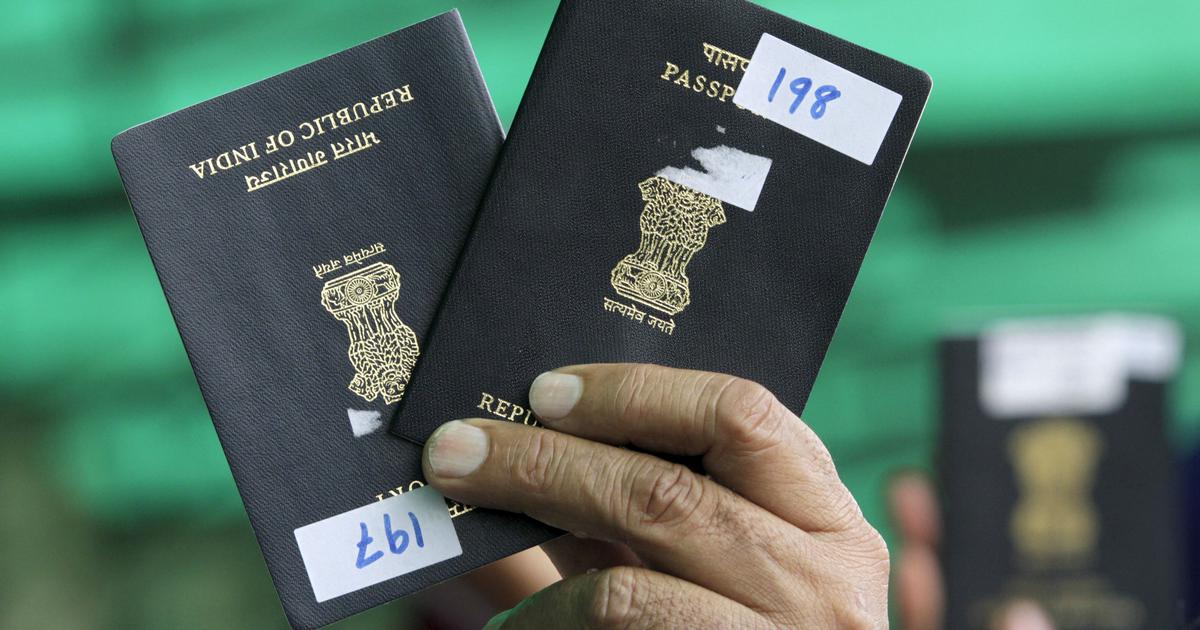
In a significant clarification, the Ministry of External Affairs announced that a passport should be regarded solely as a travel document, not as a proof of citizenship. This statement was made during the 14th Passport Seva Divas celebrations, prompting discussions on the nature of citizenship documentation in India.
An official from the Ministry emphasized that the issuance of a passport involves rigorous verification processes, relying on various documents sourced from multiple government agencies. The statement has stirred controversy, particularly in light of the Supreme Court and several High Courts’ positions that documents like Aadhaar, voter ID cards, and property ownership do not constitute valid evidence of Indian citizenship.
The complexity of citizenship documentation in India has long been a subject of debate. Unlike many countries where citizenship can be proved with a single document, India lacks such a definitive proof system. Foreign nationals wishing to obtain Indian citizenship are granted citizenship certificates, a privilege not extended to those born in the country.
Shiv Sena (Uddhav Balasaheb Thackeray) leader Aaditya Thackeray has publicly criticized the Ministry’s assertion. In a social media post, he questioned the logic behind police verification processes for passport issuance if the document is not an indicator of citizenship. Thackeray’s comments reflect a broader public skepticism and concern regarding the implications of this announcement on the perception of citizenship in the nation.
The discourse surrounding the passport’s role in establishing citizenship highlights the ongoing challenges faced by many individuals in India, especially in light of recent legislation and public sentiments surrounding citizenship rights. As the country continues to grapple with these complex issues, the need for clear guidelines and regulations becomes increasingly pressing to ensure that all citizens feel secure in their status.