




Political Identity and Rhetoric in Post-Brexit Britain: A Look at Keir Starmer’s Challenges
The terms ‘Leave’ and ‘Remain’ have become synonymous with the enduring political divide in the United Kingdom, capturing not just stances on Brexit but also encapsulating broader ideological beliefs. This dichotomy has evolved into a fundamental aspect of British political identity, where individuals often identify strongly with one camp or the other. The persistence of these labels a decade after the Brexit referendum highlights the shift in how politics is perceived in the UK, with identity becoming the primary lens through which political discourse is viewed.
Recent research examining the evolution of political rhetoric suggests that the nature of political discourse in Britain has shifted dramatically, particularly in the wake of Brexit. The analysis draws on Aristotle’s principles of persuasion—ethos, pathos, and logos—to explore how political figures communicate with the public. In the post-Brexit landscape, there appears to be a significant tilt towards ethos (the character of the speaker) and pathos (emotional appeal), often sidelining logos (logical reasoning). This trend indicates a growing preference for emotive arguments over rational debate, which could have implications for democratic engagement in the UK.
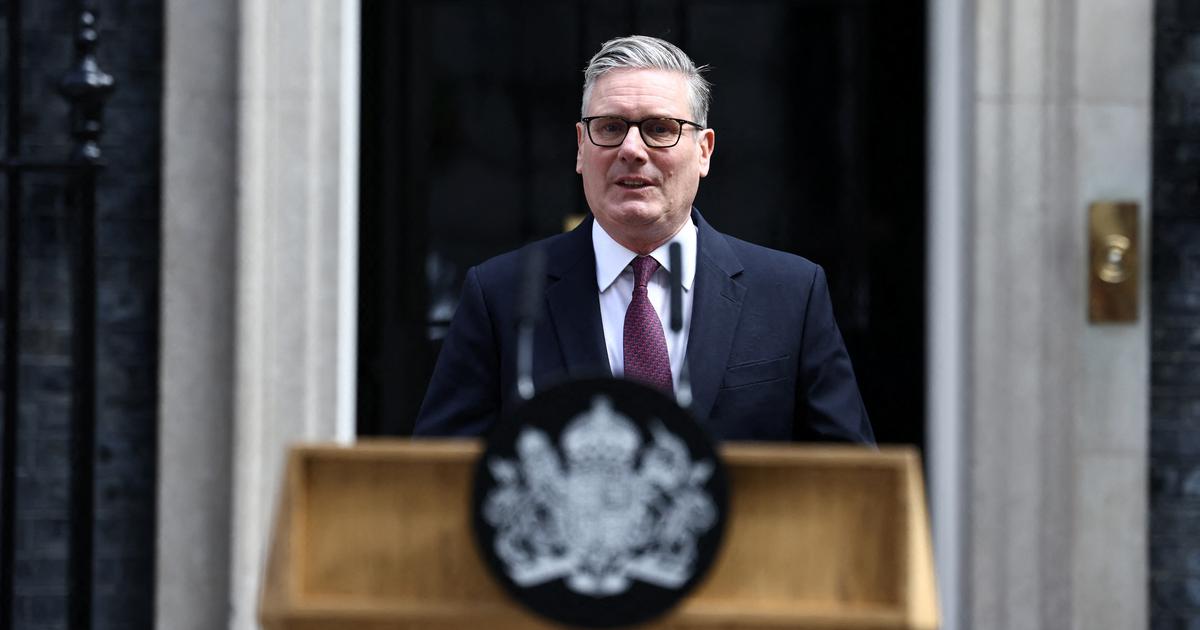
The consequences of this shift towards uncivil rhetoric are manifold. For political leaders like Keir Starmer, navigating this charged atmosphere has proven to be a formidable task. Starmer, who leads the Labour Party, finds himself in a position where appealing to either side of the Brexit divide demands not only skillful rhetoric but also a delicate balancing act of identity politics. The challenge is further compounded by the expectation from constituents for leaders to resonate emotionally rather than merely present logical arguments.
Moreover, the Brexit effect has redefined political engagement in the UK, creating an environment where traditional forms of political discourse are increasingly challenged. The reliance on emotional appeals can foster divisions, as it encourages an ‘us versus them’ mentality among the populace. This incivility in political conversations may discourage constructive dialogue and lead to further polarization, making it harder for leaders to unite the country.
As the Labour Party and its leader strive to redefine their positions in this complex landscape, the question remains: how can they effectively communicate their vision in a way that is both inclusive and persuasive? The answer may lie in striking a balance between ethos, pathos, and logos, thus appealing to both the emotions and the rationality of the electorate. In light of these challenges, the future of British politics will likely continue to be shaped by the legacies of Brexit, with identity politics at the forefront of political discourse.

