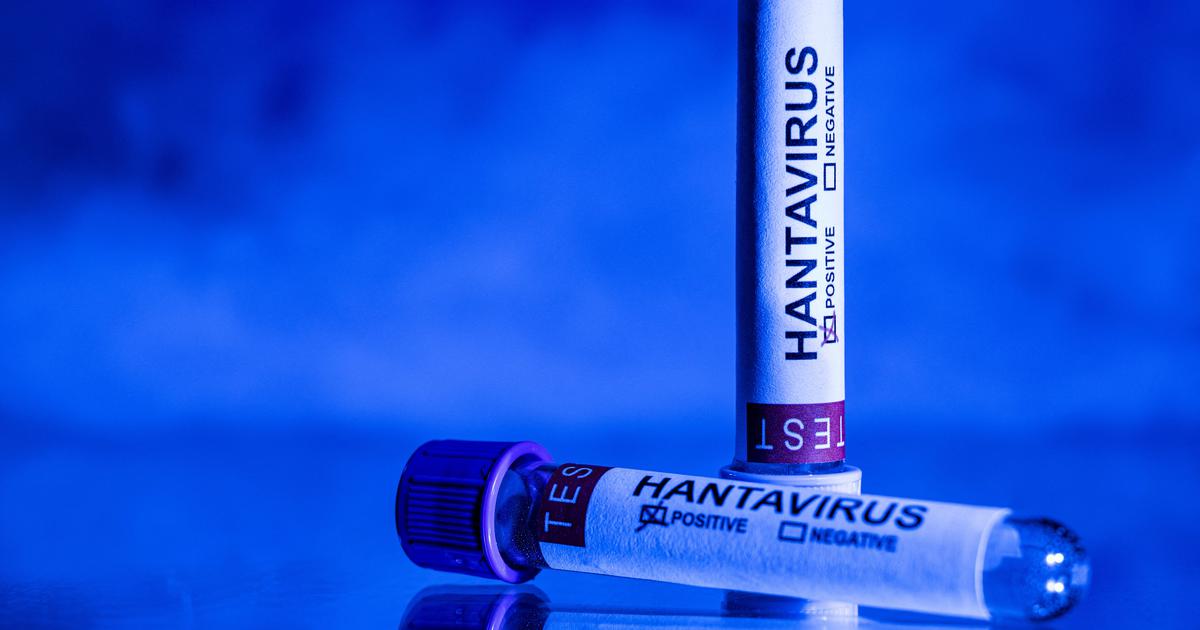
The first half of 2026 has seen a worrying rise in infectious disease outbreaks across the world, with Ebola, hantavirus, and diphtheria in Australia emerging as significant threats. These incidents have not only highlighted the critical weaknesses in the global health response systems but have also underscored a pervasive issue: the deep-seated distrust in healthcare systems and the rampant spread of misinformation.
Each disease presents unique challenges; however, a common thread ties them together: the community’s lack of trust in health authorities and the influence of false information. This scenario has been particularly dire in the Democratic Republic of the Congo (DRC), where misconceptions about Ebola have fueled fear and resistance against medical interventions. Reports indicate that many community members believe that Ebola is a hoax or that its diagnosis is unreliable, which has resulted in a significant number of cases going unreported.
The impact of such distrust cannot be overstated. It leads to delayed medical treatment, encourages individuals to hide symptoms, and ultimately complicates public health efforts. For instance, a recent incident in DRC involved local residents setting ablaze a tent established by Médecins Sans Frontières to treat suspected Ebola cases. This act of vandalism not only jeopardized the health of those needing care but also resulted in the escape of 18 individuals suspected of carrying the virus.
Addressing these challenges requires a multi-faceted approach. Health authorities must prioritize building trust within communities by engaging with local leaders and residents, providing accurate information, and addressing misconceptions directly. This community-focused strategy can help dismantle the barriers that lead to misinformation and fear, which are critical in preventing future outbreaks.
In India, where healthcare systems face challenges of their own, the lessons from these global outbreaks are particularly relevant. The ongoing battle against misinformation—whether related to COVID-19 vaccinations or other health issues—demands vigilance and proactive measures. Public health campaigns must focus on transparency, collaboration with local communities, and the dissemination of scientifically-backed information to foster trust and encourage proactive health-seeking behavior.