In a significant development, a ban on meat sales in the historic city of Amritsar has led to a legal challenge that highlights the complexities of cultural and economic tensions within the region. Rajiv Gulati, a fish vendor whose family has operated in Amritsar’s bustling Hall Gate Fish Market for 56 years, found his livelihood abruptly disrupted when city authorities sealed his shop on April 20, 2023. The closure, reportedly executed without prior notice, has left Gulati and over 250 other businesses—including small meat vendors and food carts—grappling with the fallout of the Punjab government’s controversial directive.
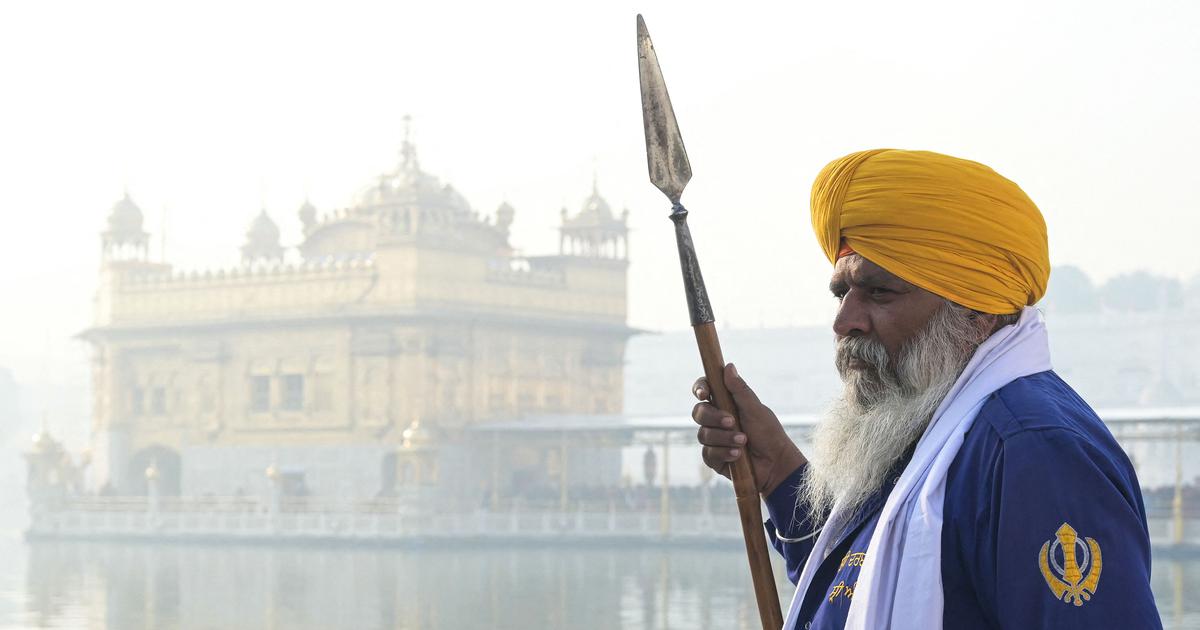
The ban stems from a notification issued by the Punjab government, which prohibits the sale of meat, alcohol, cigarettes, and tobacco within the walls of Amritsar, particularly around the revered Golden Temple, following the declaration of Amritsar, Anandpur Sahib, and Talwandi Sabo as ‘holy cities’ last November. This decision, propelled by the Aam Aadmi Party government, aims to preserve the sanctity of these culturally significant areas but has also sparked outrage among local businesses that rely on the sale of these products for their survival.
Gulati, a 39-year-old businessman, expressed his frustration, stating, “This shop has been our family’s source of income since my grandfather’s time. We have seen generations grow up working here, and now we are left in the lurch.” His sentiments resonate with many affected vendors who feel sidelined by a government decision that they argue lacks adequate consultation. “We have been sitting idle since then. The government should have provided us with alternative spaces to continue our business operations,” he added.
In an effort to contest the legality of the government’s actions, Gulati filed a petition in the Punjab and Haryana High Court on May 29. His legal counsel, advocate Vikas Chathrath, argues that the notifications issued by the state government lack statutory backing and question the authority of the government to declare an area as a ‘holy city’ or restrict commerce without proper legislative support. The case has attracted attention as it not only concerns the rights of local businesses but also raises broader questions regarding governance and religious sensitivities in a state steeped in a rich historical narrative.
This legal challenge is emblematic of a larger dialogue surrounding the intersection of faith, commerce, and governance in India. Historically, the city of Amritsar has been a melting pot of cultures and religions, often navigating the delicate balance between economic activities and the preservation of religious sentiments. As the legal battle unfolds, it is likely to reignite discussions on the implications of religious designations on local economies, especially in a region where such decisions can alienate communities dependent on traditional livelihoods.
With the legal proceedings underway, many in Amritsar will be closely watching the outcome, hoping for a resolution that acknowledges the diverse fabric of their community while respecting its cultural heritage.