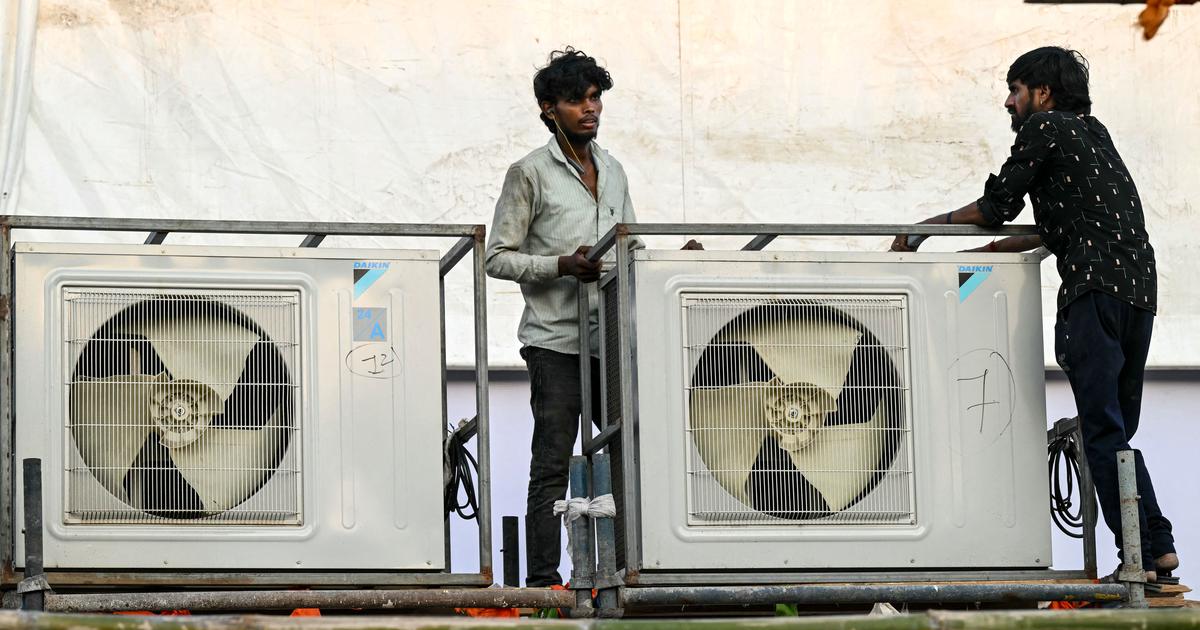
As temperatures soar across the subcontinent, India’s energy landscape is grappling with a critical challenge: the demand for cooling solutions is rapidly outpacing the capacity of the nation’s power grid. In a striking example, on May 21, peak electricity consumption in India surpassed the Central Electricity Authority’s projection of 270 gigawatts for 2026. This unprecedented surge in demand resulted in power outages in several regions, underscoring the fragility of the country’s energy infrastructure.
Recent studies reveal that air conditioning units account for a staggering 40% to 60% of the electricity demand during the sweltering summer months in major Indian cities. This increasing reliance on cooling technologies has exposed significant vulnerabilities within India’s power system. The frequency of power cuts, equipment malfunctions, and transformer failures has become a common experience for many citizens, illuminating a pressing need for a robust energy transition that prioritizes the enhancement of infrastructure over mere capacity expansion.
The impact of extreme heat extends beyond mere electricity consumption; it places immense strain on the infrastructure designed to deliver power to millions. Approximately 1.3 million distribution transformers fail each year in India, often due to issues such as overloading and inadequate maintenance. Additionally, the soaring temperatures cause overhead transmission lines to sag, leading to disruptions and further amplifying transmission losses. These challenges collectively contribute to a cycle of power shortages that can severely impact daily life.
With projections suggesting that India’s cooling energy demand could increase 15-fold in the coming years, urgent action is required to develop a resilient power system that can equitably satisfy this growing demand. This entails a dual approach: not only must India enhance its renewable energy capacity, but it must also invest in upgrading its existing infrastructure to withstand the rigors of climate change and fluctuating energy needs. This transformation is crucial not only for maintaining a stable power supply but also for ensuring that all segments of the population have access to reliable energy services.
In summary, as the climate crisis intensifies and temperatures rise, India’s energy sector must adapt to maintain its integrity. Building a resilient power grid that can effectively manage increasing cooling demands is essential for the country’s sustainable development. The path forward must prioritize infrastructure improvement and capacity building to ensure that the citizens of India can remain cool and comfortable even amidst rising temperatures.