Controversy Erupts as Artwork Criticizing Churchill’s Role in Bengal Famine Removed from London Gallery
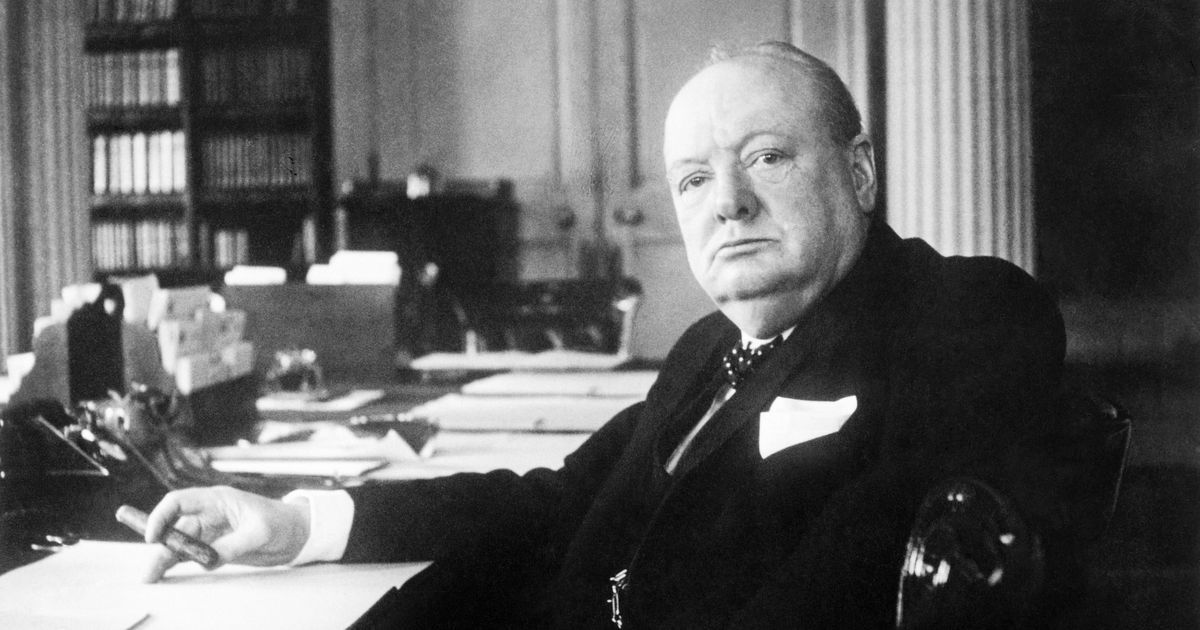
A thought-provoking video installation at the National Portrait Gallery in London has been taken down following a heated debate concerning the actions of Winston Churchill during the Bengal famine of 1943 in colonial India. The artwork, created by British artist Helen Cammock and titled Persistence, was intended to provoke discussions around historical narratives but instead ignited significant controversy.
The 40-minute video featured Cammock narrating the devastating impact of 17th-century military campaigns led by Oliver Cromwell in Ireland, drawing parallels to what she described as the deliberate starvation of the Indian populace under Churchill’s leadership. Cammock’s commentary specifically referred to the Bengal famine, a tragic event that claimed the lives of approximately three million individuals, highlighting the dire consequences of wartime policies enacted by the British government.
The Bengal famine of 1943 remains a contentious topic among historians and economists, with many, including the acclaimed Nobel laureate Amartya Sen, arguing that Churchill’s administration bears significant responsibility. They assert that decisions such as prioritizing food supplies for British troops over the needs of the local population, combined with failures in economic management, led to widespread suffering. However, a segment of scholars contends that the famine’s origins can be traced to external factors, notably the Japanese invasion of Burma in 1941, which severely disrupted rice supplies to India.
The backlash against Cammock’s installation intensified when historian Andrew Roberts delivered an open letter to the National Portrait Gallery, which garnered signatures from 50 British peers. The letter criticized the portrayal of Churchill, accusing the installation of oversimplifying complex historical events and unfairly vilifying a figure who is often regarded as a wartime hero in Britain.
This incident reflects a growing trend of scrutinizing historical narratives, particularly those involving colonial powers and their legacies. While the intention behind the artwork was to shed light on historical atrocities, the response underscores the sensitivity surrounding discussions of colonial history and its lingering impacts. The removal of the installation raises crucial questions about freedom of expression in the arts and the responsibilities that come with it, particularly when dealing with sensitive historical subjects.