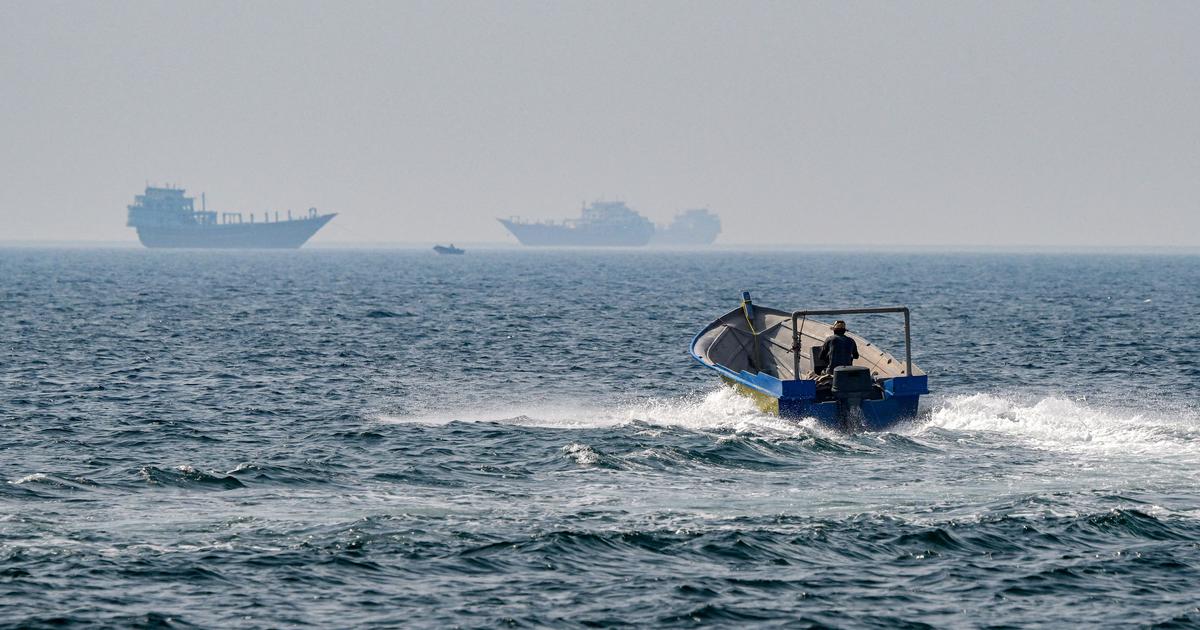
The International Maritime Organization (IMO), a specialized agency of the United Nations, announced a significant initiative on Tuesday aimed at evacuating more than 11,000 seafarers and their vessels stranded in the strategically crucial Strait of Hormuz. This operation will be conducted in collaboration with various stakeholders, including Iran, Oman, and other regional coastal nations, as well as the United States and the maritime sector.
Arsenio Dominguez, the Secretary-General of the IMO, emphasized the organization’s commitment to safeguarding the lives of seafarers and maintaining the flow of global trade. He stated, “We have secured the necessary safety guarantees and have thoroughly verified the conditions for safe navigation to support these operations.” This move comes in the wake of the ongoing conflict in West Asia, which has severely impacted maritime activities since February 28, leading to disruptions that have triggered a global energy crisis.
The Strait of Hormuz, which connects the Persian Gulf to the Arabian Sea, is one of the world’s busiest maritime routes, with around a fifth of the global oil trade passing through it. However, the escalation of tensions in the region has rendered this vital waterway mostly inaccessible to international commercial vessels, raising alarms across global markets. The urgency for a resolution is further underscored by the recent dialogue between the United States and Iran in Switzerland, which aimed at establishing a peace framework and ensuring the safety of commercial navigation in the strait.
As part of the ongoing diplomatic efforts, the two nations are working on a communication channel designed to minimize incidents and miscommunication that could threaten safe passage for vessels. Pakistan and Qatar are acting as mediators in these discussions, highlighting the significance of regional cooperation in addressing international maritime security challenges.
Oman’s involvement in the evacuation plan is also crucial, as the country has issued a letter through its Ministry of Defence to Pakistan’s National Hydrographic Office, outlining the operational details necessary for safe navigation and the protection of seafarers. This collaborative approach reflects the importance of multilateral efforts in resolving complex geopolitical issues, particularly in a region as sensitive as the Middle East. The implications of a successful evacuation and restoration of safe passage could have far-reaching consequences for global trade, especially for countries like India, which rely heavily on energy imports from this region.