In a significant step for Indian education, the National Council of Educational Research and Training (NCERT) has incorporated a new section on the Emergency period (1975-1977) in the Class 9 social science textbook, titled Understanding Society: India and Beyond. This marks the first time that the critical era of the Emergency has been included in the curriculum for students at this level, expanding their understanding of India’s democratic journey.
The Emergency, a controversial period in Indian history, saw the suspension of fundamental rights, censorship of the press, and widespread arrests of political opponents. Until now, discussions surrounding the Emergency were predominantly reserved for the Class 12 political science syllabus, which delves into the political and constitutional ramifications of this tumultuous period. The new inclusion in the Class 9 textbook aims to provide younger students with a foundational knowledge of one of the profound challenges faced by Indian democracy.
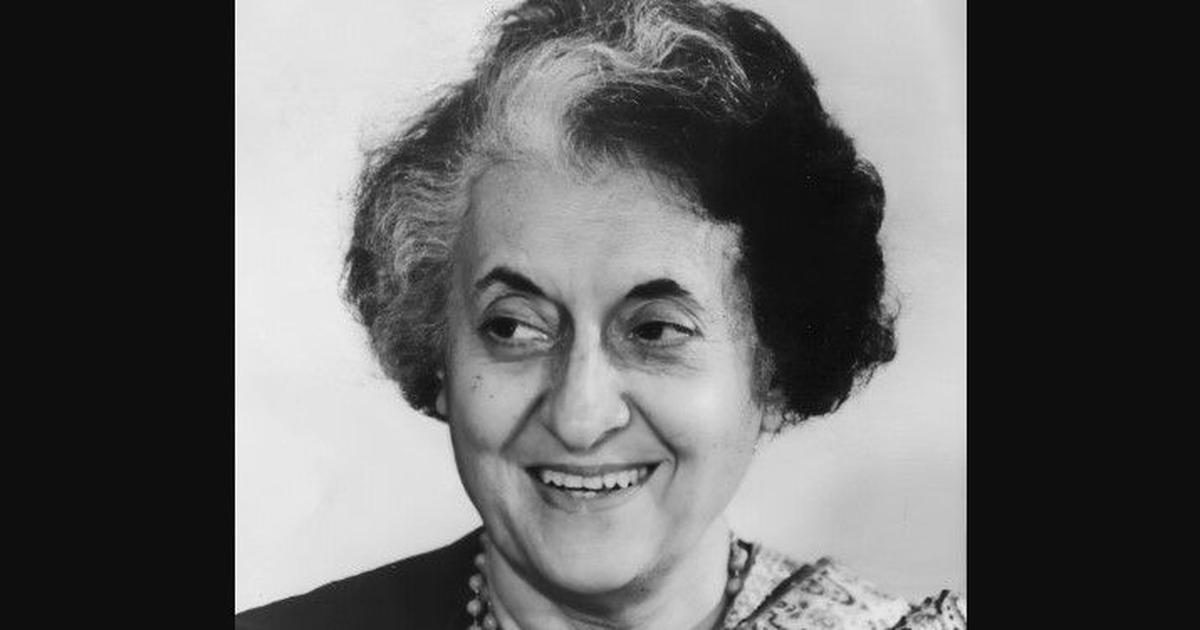
According to reports, the newly added section highlights the growing public dissatisfaction with the Indira Gandhi-led government during the early 1970s, citing rising unemployment, inflation, and allegations of misgovernance as factors that ignited widespread protests. The chapter explains that the imposition of the Emergency was a response to these escalating tensions and signifies a dark chapter in the annals of Indian democracy.
Furthermore, the textbook sheds light on the pivotal role played by socialist leader Jayprakash Narayan, who emerged as a prominent figure in resisting the Emergency. Known affectionately as Lok Nayak, Narayan’s mass movements were vital in mobilizing students and citizens, primarily in states like Bihar and Gujarat. His efforts exemplified the spirit of resistance against authoritarian governance and highlighted the importance of civil liberties in a democratic society.
This educational update not only enriches the curriculum but also encourages students to engage with historical events critically. By including such crucial topics at an earlier stage in their education, NCERT aims to foster a sense of awareness about the fragility of democracy and the importance of safeguarding democratic values. The move is expected to motivate discussions among educators and students alike, prompting a deeper exploration of India’s political history and its implications for contemporary society.