




For many young girls in our village, a trip to Lahore was nothing short of a grand adventure. It was more than just a city; it was a vibrant cultural tapestry brimming with sights, sounds, and experiences that were worlds away from our pastoral lives. One such unforgettable journey took place during the month of Maagh when we were escorted by an elder, affectionately known as Bapu, to witness the famed Basant Mela. However, the adventure took an unexpected turn as Bapu lost his way amidst the intricate streets of Lahore.
The maze-like alleys of the city were both bewildering and enchanting. As we wandered through the bustling bazaars, we were surrounded by an array of charming shops that showcased a plethora of goods: colorful fabrics, essential cattle feed, and various seeds that reflected the agricultural richness of the region. The air was thick with the scent of spices, and the sounds of merchants haggling added to the vibrant atmosphere.
In these narrow lanes, we stumbled upon craftsmen engaged in their trades, sheltered under makeshift roofs of sheepskin. The blacksmiths, jewelers, carpenters, dyers, and cloth merchants seemed to be part of a grand symphony, each contributing to the bustling economy of the city. The allure of Lahore was undeniable, with its juxtaposition of poverty and prosperity, simplicity and extravagance. The bazaars featured luxurious Kashmiri shawls and exquisite Multani carpets, symbolizing the wealth that flowed through Punjab during those times.
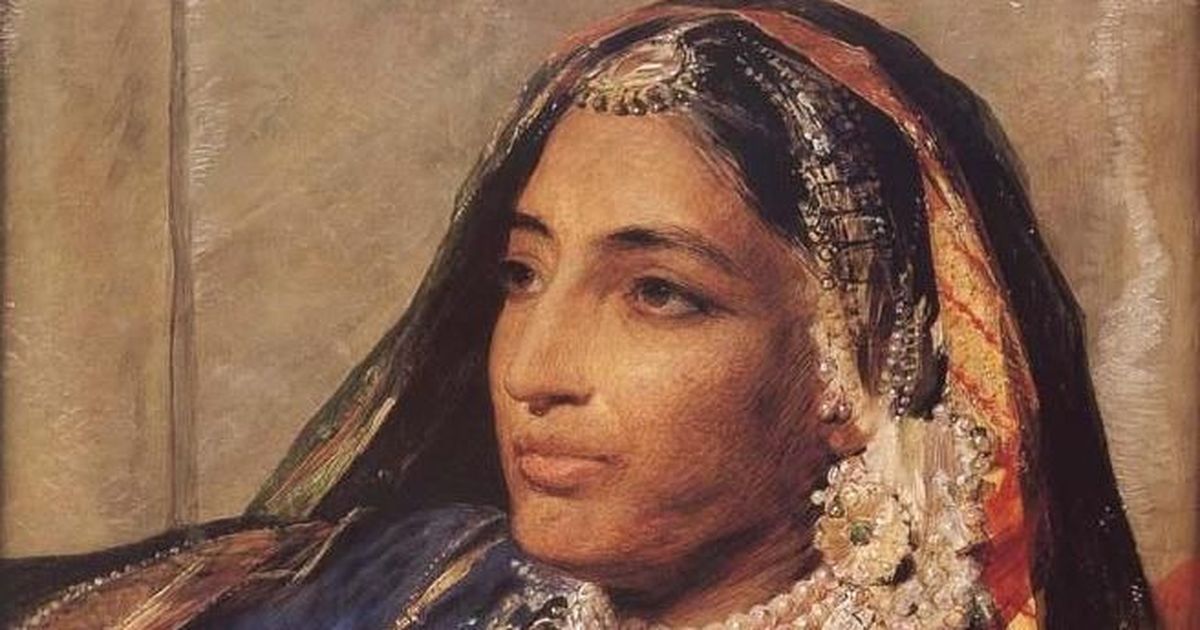
For us, the villagers, the sight of men and women adorned in elaborate silks, sparkling pearls, and intricately embroidered pashminas was a revelation. It was a stark contrast to our simple attire, and we were both mesmerized and slightly intimidated by the glamour that enveloped Lahore. This city, with its rich history and cultural significance, held a duality that was both thrilling and terrifying—a place where beauty existed alongside hardship.
As our adventure continued, it became clear that Lahore was not just a destination but an experience that stirred our imaginations and deepened our understanding of the world beyond our village. The chaos of the city, while overwhelming, also made us feel alive. It was a big, bad city, yet it was filled with an irresistible charm that beckoned you to explore its secrets, to immerse yourself in its rich heritage, and to witness the living history that unfolded in its streets.
This journey through Lahore not only brought us closer as friends and family but also ignited a sense of curiosity about our own identities as young women in a rapidly changing world. The spirit of Lahore, with its blend of tradition and modernity, served as a reminder that there is beauty in diversity, and every corner of India has stories waiting to be told.

