A Powerful Educational Revolution In A Forest Reserve: A Story of Hope
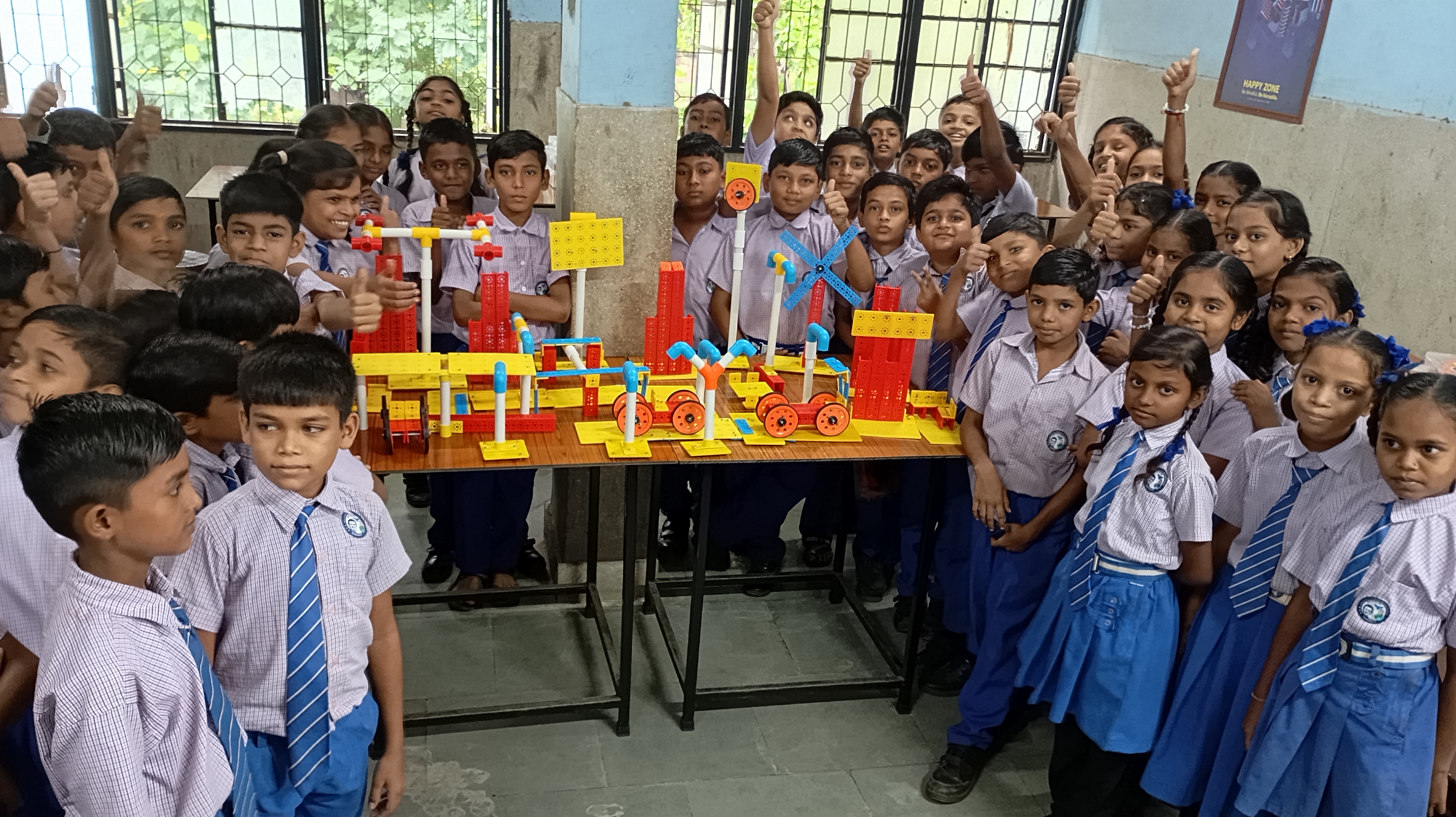
AI-STEAM Learning Lab Brings Robotics, Drones and Emerging Technology to Rural Gujarat School
Across the world, schools and education systems are adapting to rapid developments in artificial intelligence, robotics, drones, IoT, 3D printing and other emerging technologies. In Gujarat's Panchmahal district, Don Bosco School, Narukot, is working to expand students' access to technology through an experiential learning initiative.
The school, located in the Narukot region, began working with International STEAM Research (ISR) in June 2026 with the establishment of an AI-STEAM Experiential Learning Lab on its campus. The initiative aims to provide students with practical exposure to technologies and concepts that are increasingly becoming part of modern education.
The region faces challenges including limited connectivity, difficult terrain and constraints in accessing advanced educational resources. Against this backdrop, the lab is being used to introduce students to robotics, drones, sensors, coding and extended reality through hands-on activities.
Learning through practical experience
The initiative focuses on experiential learning, allowing students to explore scientific and technological concepts through practical activities rather than relying only on classroom-based instruction.
With guidance from trained facilitators, students can experiment with drone flight mechanics, program robots to navigate obstacles, build circuits using sensors and explore AR/VR-based learning environments. These activities provide practical exposure to concepts such as automation, artificial intelligence and engineering design.
The approach also encourages students to develop skills such as problem-solving, creativity, communication, collaboration and critical thinking.
Expanding access to technology
For students in remote and underserved areas, access to advanced technology and experiential learning opportunities can be limited. The AI-STEAM lab at Narukot is intended to provide students with an opportunity to interact with technologies that may otherwise be difficult to access locally.
Teachers and parents have also observed increased interest among students in technology-related activities. According to the initiative's organisers, some students who were previously hesitant to participate in classroom activities have become more willing to present ideas and work on practical projects.
Link with NEP 2020
The initiative is also in line with several objectives of India's National Education Policy (NEP) 2020, which places emphasis on experiential learning, interdisciplinary education, critical thinking and the development of skills relevant to the 21st century.
By incorporating AI and STEAM-based activities into the school environment, Don Bosco School, Narukot, is seeking to create additional learning opportunities for students in a rural setting.
A possible model for rural education
The Narukot initiative highlights the potential of technology-supported experiential learning in schools outside major urban centres. Its experience may offer useful lessons for other institutions seeking to introduce robotics, coding, artificial intelligence and other emerging technologies in resource-constrained environments.
However, the long-term impact of the programme will depend on factors such as continued access to equipment, electricity and internet connectivity, trained educators, maintenance and sustained student participation.
The initiative at Narukot reflects a broader effort to make technology-based learning more accessible to students in rural and underserved communities. By providing practical exposure to emerging technologies, the programme is giving students an opportunity to explore new areas of learning and develop skills that may be relevant to their future education and careers.
Source: International STEAM Research / Don Bosco School, Narukot
```