Ayodhya Real Estate: Religious Destination or Emerging Commercial Economy?
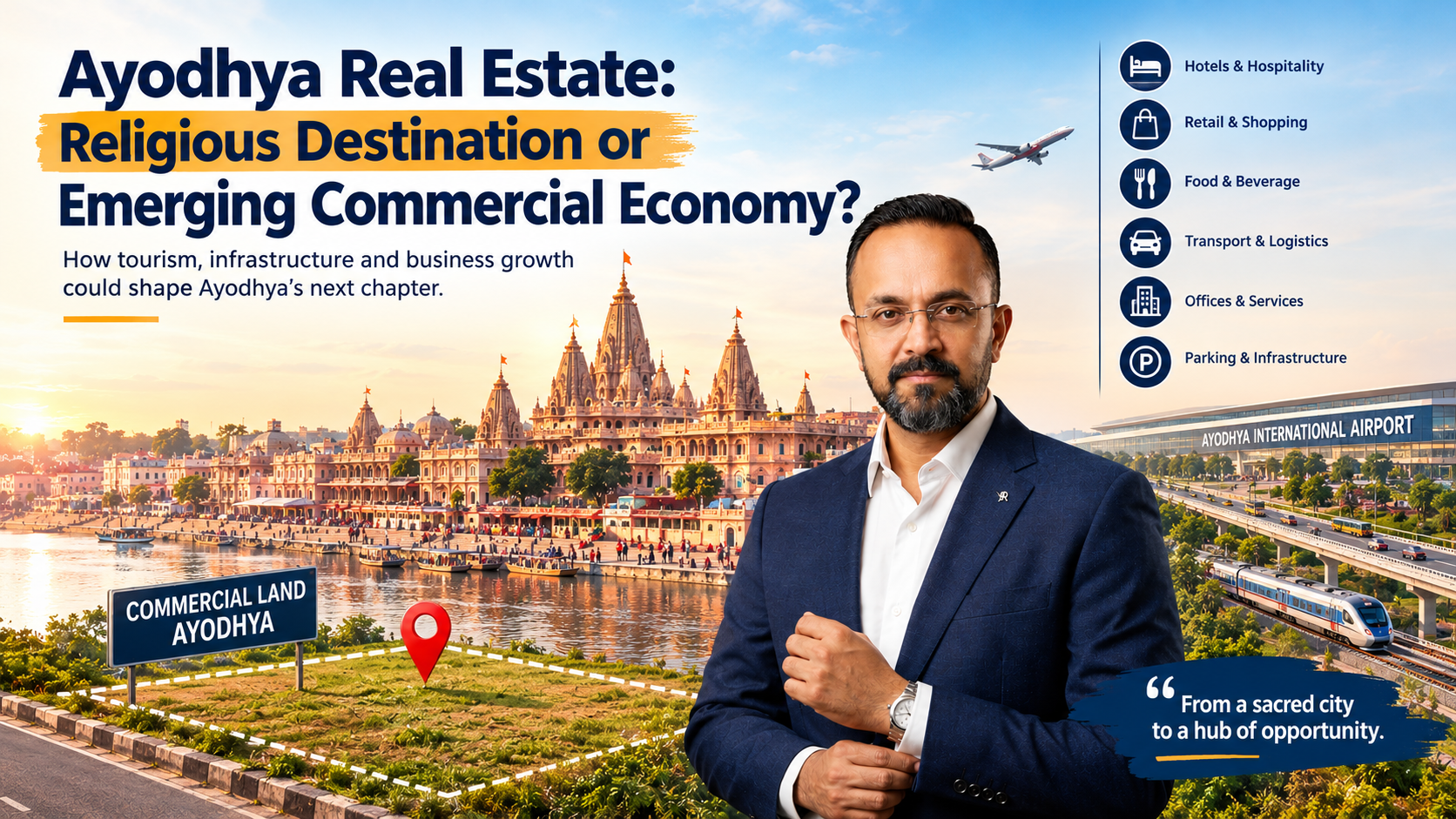
Ayodhya Real Estate: Can Religious Tourism Drive Broader Commercial Growth?
By Rajat Malhotra: Ultra Luxury Property Specialist, Columnist and Numerologist
Ayodhya has long been recognised as one of India's most significant religious destinations. However, as tourism, infrastructure development and hospitality projects reshape the city's economic landscape, a larger question is emerging: could Ayodhya develop into a broader commercial economy rather than remain primarily a destination for religious visits?
For real estate investors, business owners and developers, the answer could influence how they evaluate commercial land in Ayodhya and the city's long-term growth potential.
The inauguration of the Ram Mandir in January 2024 brought Ayodhya unprecedented national and international attention. Alongside its religious importance, the city is attracting interest in hospitality, retail, transportation, food services and other tourism-linked businesses. This evolving landscape provides a reason to examine Ayodhya's real estate market through a wider economic lens.
Beyond the Temple: How Tourism Can Influence Real Estate
Tourism and commercial real estate are closely connected. Visitors require some combination of accommodation, food, transportation, shopping and other services. As visitor activity increases, businesses may seek locations that offer visibility, accessibility and proximity to customers.
In Ayodhya, this relationship could support demand for hotels, guesthouses, restaurants, retail outlets, parking facilities, travel services and other visitor-oriented establishments.
The economic impact may extend beyond businesses serving pilgrims directly. Suppliers, maintenance providers, local retailers, logistics operators and professional service providers can also benefit when commercial activity expands.
However, higher visitor numbers alone do not guarantee a real estate boom. The extent of any benefit depends on visitor spending, length of stay, seasonality, local purchasing power, business competition and the supply of available commercial properties.
For investors, the important question is whether tourism activity translates into sustainable demand for specific locations.
Infrastructure Could Shape Ayodhya's Commercial Future
Infrastructure is another important factor in the city's development story.
The operationalisation of Maharishi Valmiki International Airport Ayodhyadham, improvements in road connectivity and developments associated with railway infrastructure have increased attention on the city's accessibility.
Better connectivity can make destinations easier to reach, support business operations and influence where hotels, retail establishments and service providers choose to locate.
Yet the real estate implications vary considerably by location. A commercial plot near an established road, active business district or functioning transport connection may have different prospects from land whose investment case depends on a proposed project.
Investors should therefore distinguish between completed infrastructure, projects under construction and future proposals. They should also examine zoning, permitted land use and the practical accessibility of individual properties before making investment decisions.
Hospitality, Retail and the Rise of Commercial Corridors
One potential outcome of Ayodhya's changing tourism economy is the development of commercial corridors serving different categories of visitors and residents.
Hotels and restaurants may seek locations with reliable customer movement. Retail businesses may prioritise visibility and convenient access. Parking operators and transport providers may look for locations that address genuine mobility requirements.
As these businesses establish themselves, supporting services could follow, potentially increasing the economic importance of selected commercial areas.
This creates an opportunity for property investors to assess where business activity is already developing and where credible demand drivers may emerge.
Commercial land, however, should not be valued solely on the assumption that nearby development will automatically increase prices. Purchase costs, land title, development permissions, infrastructure availability, competing supply and potential rental income remain central to any investment decision.
Could Ayodhya Become a Multi-Use Economic Ecosystem?
A city's long-term economic strength often depends on its ability to support activity beyond a single sector.
For Ayodhya, this could mean an economy combining religious tourism with hospitality, retail, local services, transportation, employment and other commercial activities. A broader visitor economy could also encourage businesses to invest in facilities and services designed to serve demand throughout the year.
Such a transition would require more than infrastructure construction. It would depend on sustainable visitor demand, effective urban planning, adequate public services, viable businesses and development that responds to the needs of residents as well as visitors.
If these elements develop together, selected parts of Ayodhya could evolve into more diversified commercial destinations. The timing, scale and geographical distribution of that development remain uncertain.
For real estate investors, this makes location-specific research more important than general predictions about the city's future.
What Should Real Estate Investors Watch?
Anyone evaluating commercial property in Ayodhya should focus on five considerations:
- Location: Proximity to established businesses, transport links and genuine customer demand.
- Infrastructure: The operational status of roads, transport facilities and supporting utilities.
- Commercial viability: Realistic demand for hotels, retail outlets, restaurants or other permitted uses.
- Legal compliance: Clear ownership, appropriate land use and required development permissions.
- Long-term sustainability: Rental prospects, holding costs, competition and the potential to resell.
These factors help distinguish commercially viable opportunities from speculative purchases driven primarily by headlines.
The Bigger Question for Ayodhya Real Estate
Ayodhya's religious importance remains central to its identity. Yet tourism, connectivity and commercial development provide reasons to examine how its economy may evolve over time.
The most meaningful real estate opportunities, if they emerge, will depend on the relationship between visitor activity, business demand, infrastructure and the suitability of individual locations.
For investors, the objective should not simply be to buy land in a city receiving attention. It should be to understand where sustainable economic activity could support long-term commercial value.
What happens to real estate when a destination moves from being a place people visit to a place where businesses want to operate?
Ayodhya may offer an important case study in how tourism, infrastructure and commercial development interact—and why the next phase of its growth deserves closer attention.