El Niño Threatens India With Extreme Heat, Rainfall Deficits and Rising Food Prices
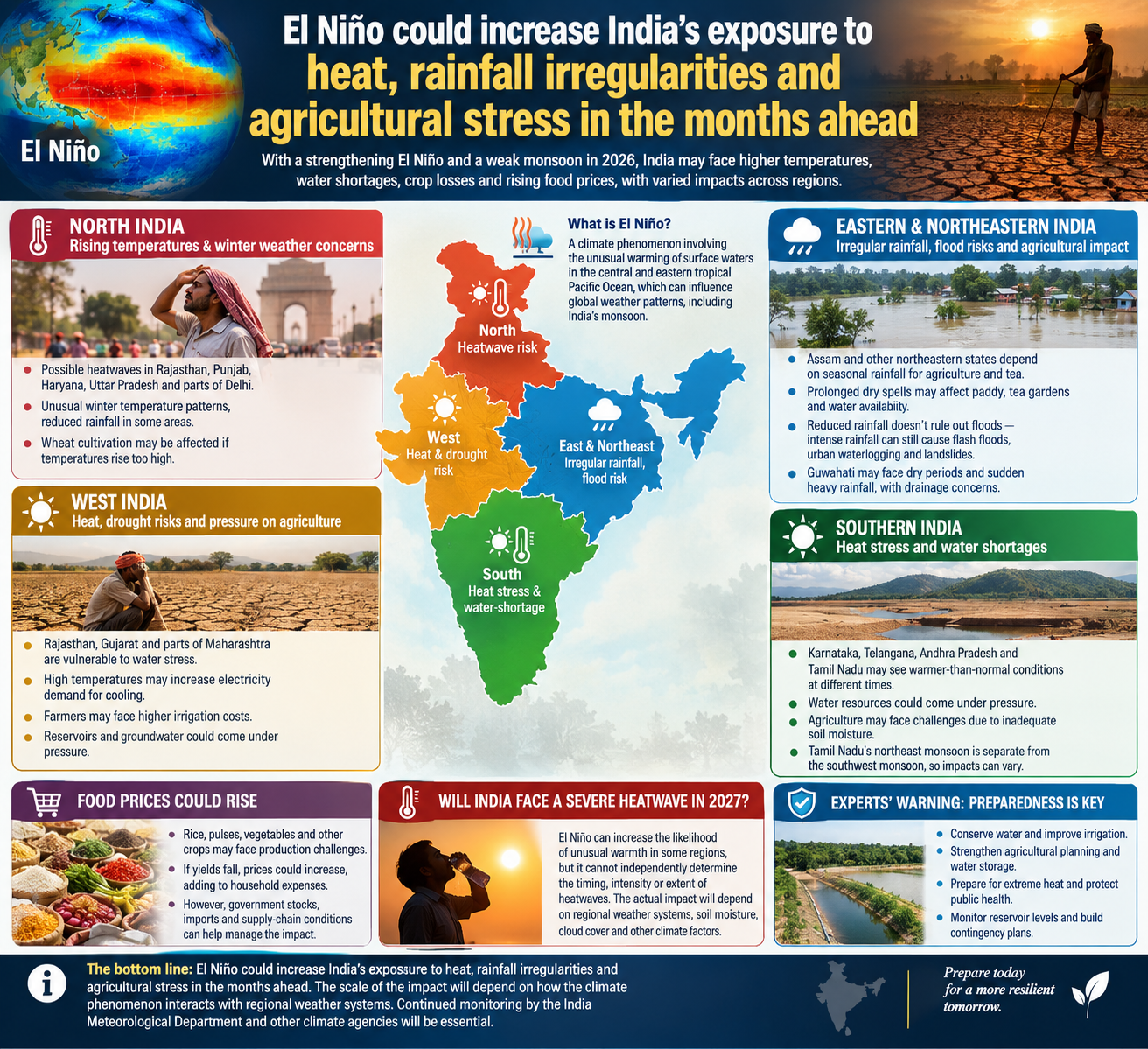
NEW DELHI, October 23, 2026: Several regions of India could face weather-related challenges in the coming months as strengthening El Niño conditions raise concerns about temperature patterns, rainfall irregularities, water availability and agricultural stress. Assam and other northeastern states may also face risks associated with uneven rainfall.
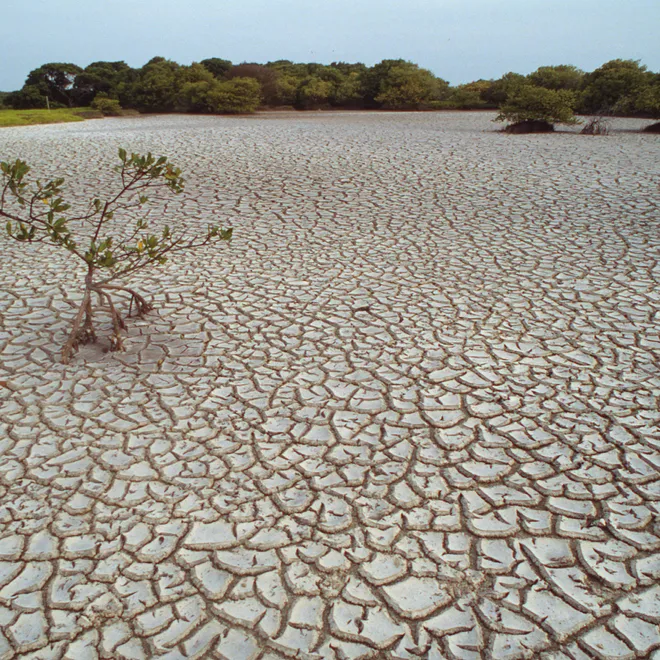
India could experience further weather-related challenges following a monsoon season marked by a substantial rainfall deficit. The potential effects include water shortages, agricultural pressure and changes in regional temperature and rainfall patterns.
El Niño is a climate phenomenon involving the unusual warming of surface waters in the central and eastern tropical Pacific Ocean. It can influence global weather patterns, including India's monsoon. However, its effects vary by region and depend on other atmospheric and oceanic conditions.
India's southwest monsoon ended in 2026 with rainfall significantly below the long-period average. The resulting concerns include water availability, agricultural production and the possibility of pressure on food prices if crop yields are affected.
Northern India: Temperature variations and winter concerns
Northern India could experience unusual temperature patterns during the coming months. Rajasthan, Punjab, Haryana, Uttar Pradesh and parts of Delhi may be affected by periods of above-normal temperatures, depending on regional weather conditions.
During winter, temperature variations and insufficient rainfall could create challenges for agriculture. Wheat cultivation, in particular, depends on suitable temperatures during critical growth stages, and excessive warmth could affect crop development.
However, the likelihood and severity of these impacts will depend on actual weather patterns. El Niño alone cannot establish whether a heatwave or widespread agricultural losses will occur.
Southern India: Heat stress and water availability
Parts of southern India could face increased pressure on water resources if rainfall remains insufficient in vulnerable areas. Karnataka, Telangana, Andhra Pradesh and Tamil Nadu may experience periods of warmer-than-normal conditions, potentially increasing water demand and heat stress.
Agriculture could also be affected by inadequate soil moisture, particularly in rain-dependent areas or locations where water reserves are already under pressure.
El Niño can influence rainfall across southern India, but its effects are not uniform. Tamil Nadu receives a significant share of its rainfall during the northeast monsoon, which follows a different seasonal pattern from the southwest monsoon. Therefore, El Niño does not automatically mean that every southern state will experience drought.
Western India: Water stress and agricultural risks
Western India could face additional challenges if high temperatures coincide with insufficient rainfall. Rajasthan, Gujarat and parts of Maharashtra are vulnerable to water stress because of their climatic conditions and, in many agricultural areas, dependence on irrigation.
Higher temperatures could increase electricity demand for cooling, while farmers may face greater irrigation requirements. Prolonged rainfall deficits could also put additional pressure on reservoirs and groundwater supplies.
Although El Niño is associated with an increased risk of weaker Indian monsoons, local rainfall patterns can vary considerably. Assessments of drought risk should therefore be based on observed conditions and official forecasts rather than assumptions.
Eastern and northeastern India: Irregular rainfall risks
Eastern and northeastern India also warrant attention following the reported rainfall deficit during the 2026 monsoon. Assam and neighbouring states depend on seasonal rainfall for agriculture, tea cultivation and water resources.
Prolonged dry spells could affect paddy cultivation, tea gardens and local water availability. Higher temperatures could add to agricultural stress and discomfort in urban areas, including Guwahati.
However, reduced seasonal rainfall does not eliminate the possibility of flooding. Intense rainfall over short periods can still trigger flash floods, urban waterlogging, river flooding and landslides.
In Guwahati, dry spells followed by sudden heavy rainfall could create challenges, particularly in areas with inadequate drainage.
Food prices and agricultural production
One potential consequence of prolonged dry weather is pressure on agricultural production and food prices. Rice, pulses, vegetables and other crops could face challenges if water shortages and high temperatures affect cultivation.
If crop yields decline, wholesale and retail prices could rise, increasing household expenses and contributing to food inflation. However, price increases are not inevitable. Government food stocks, irrigation facilities, crop performance, imports and supply-chain conditions will influence the final outcome.
Will India face severe heatwaves in 2027?
A strengthening El Niño can influence temperature and rainfall patterns, but it cannot independently determine the timing, intensity or geographical extent of future heatwaves.
India's heatwave risks will depend on several factors, including regional atmospheric circulation, soil moisture, cloud cover and other climate patterns.
The coming months will be important for monitoring winter temperatures and rainfall. The next southwest monsoon season, scheduled for June to September 2027, will also be important for assessing the longer-term agricultural outlook.
It is too early to conclude that India will experience a nationwide drought or severe heatwaves across every region.
Preparedness and monitoring will be crucial
The developing El Niño highlights the importance of water conservation, efficient irrigation, agricultural planning and heat preparedness.
State governments and local authorities can monitor reservoir levels, review water-storage arrangements and strengthen contingency plans for vulnerable farming communities.
Public health authorities should also remain prepared for periods of extreme heat, particularly in regions where high temperatures can increase the risk of dehydration and heat-related illness.
Conclusion: El Niño could increase India's exposure to temperature variations, rainfall irregularities and agricultural stress in the months ahead. However, the scale of the impact will depend on how the climate phenomenon interacts with regional weather systems. Continued monitoring by the India Meteorological Department and other climate agencies will be essential to assess these risks and prepare for potential weather-related challenges.