European Heatwaves and Their Impact on Wildlife
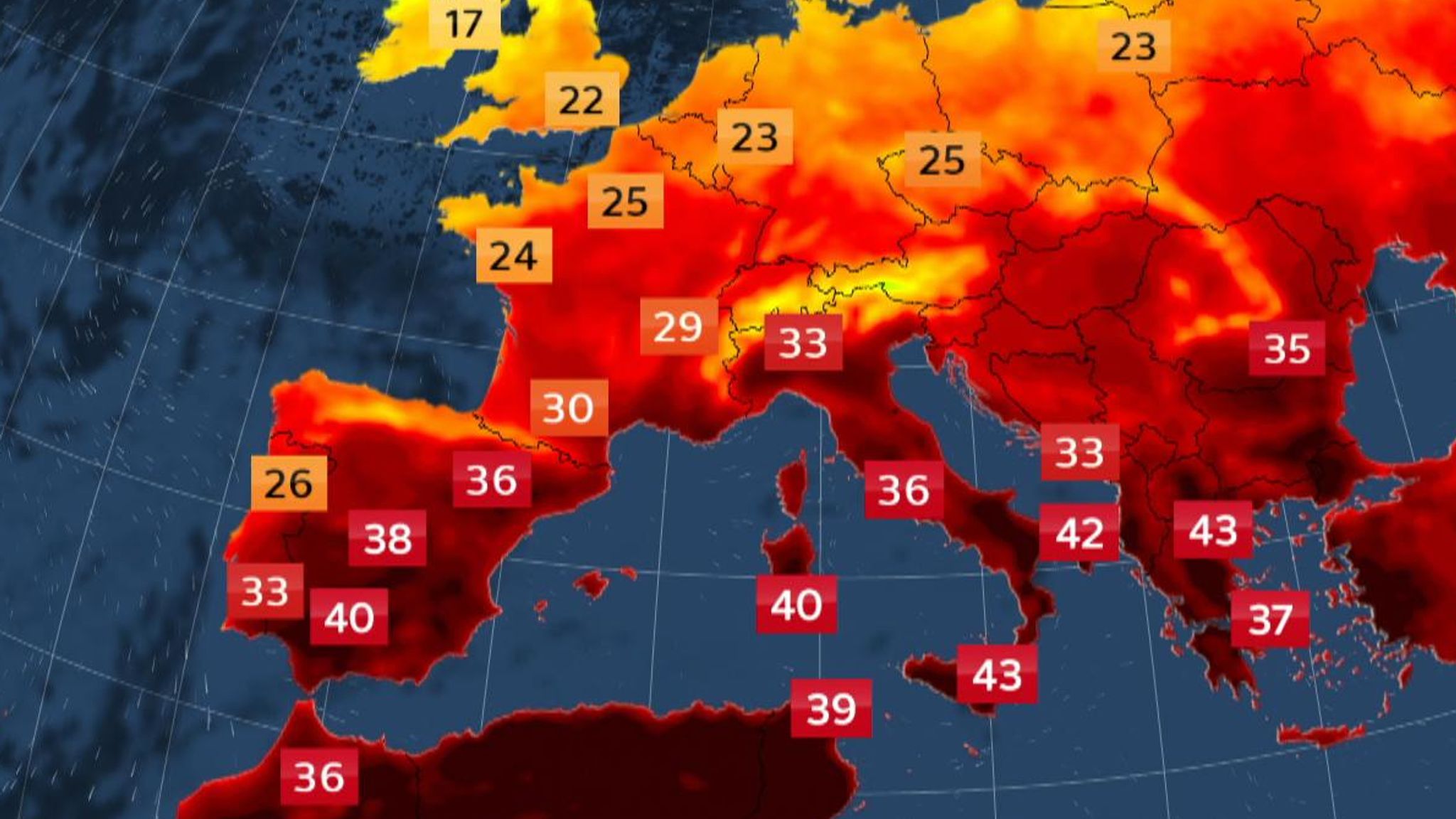
How Europe’s Heatwaves Are Affecting Wildlife and Biodiversity
Introduction
Europe is increasingly experiencing prolonged and severe heatwaves, with climate change contributing to the changing pattern of extreme temperatures. Heat, drought, declining water availability and wildfires are placing considerable pressure on ecosystems and threatening many wildlife species. While heatwaves are often discussed in terms of their effects on human health and agriculture, their consequences for biodiversity can also be serious and long-lasting.
Effects on Wildlife
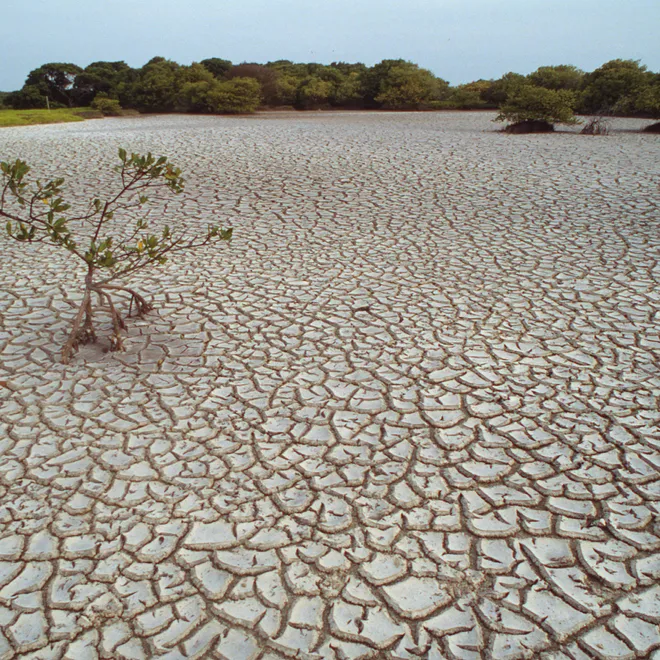
One of the most immediate consequences of extreme heat is water scarcity. High temperatures and prolonged periods without rainfall can reduce water levels in rivers, lakes, wetlands and smaller natural water sources. Aquatic species, including fish and amphibians, can be particularly vulnerable to warmer and less oxygenated water. Terrestrial animals may also face difficulties locating reliable sources of drinking water.
Heatwaves can also disrupt food availability. Extreme temperatures and drought can damage vegetation and alter the life cycles of insects and other organisms that form the foundation of many food chains. Birds, bats, pollinators and small mammals may consequently experience reduced access to food, while predators can also be affected by changes in prey populations.
Another significant threat is the increased risk of wildfires. Hot and dry conditions can transform forests, grasslands and shrublands into highly flammable environments. Wildfires can destroy large areas of habitat, kill wildlife and leave surviving animals without adequate food, shelter or breeding grounds. Smoke and degraded air quality can also affect animals beyond the immediate fire zone.
Long-Term Ecological Consequences
Repeated heatwaves can have effects that extend well beyond the duration of an extreme weather event. Animals may be forced to move to cooler regions, alter their breeding seasons or change their feeding and activity patterns. Species with limited mobility or narrow environmental requirements may find it particularly difficult to adapt.
The effects can become more severe when heatwaves occur alongside other environmental pressures, such as habitat destruction, pollution, invasive species and drought. These combined stresses can weaken ecosystems and increase the vulnerability of already threatened species.
Protecting European Wildlife
Protecting wildlife from extreme heat requires both emergency measures and long-term environmental strategies. Conservation efforts can focus on restoring wetlands, protecting forests, maintaining clean rivers, creating wildlife corridors and preserving areas that provide natural shade and water.
Governments and conservation organisations can also strengthen wildfire prevention and habitat-management programmes. At the same time, reducing greenhouse-gas emissions remains important for limiting the long-term intensification of climate-related heat extremes.
Conclusion
European heatwaves represent a significant challenge for wildlife and biodiversity. Extreme temperatures, water shortages, food disruption and wildfires can place substantial pressure on ecosystems and reduce their ability to recover. Protecting natural habitats and improving ecosystem resilience will therefore be crucial in helping wildlife adapt to a warmer climate.
Addressing this challenge requires coordinated action from governments, scientists, conservation organisations, communities and individuals. By protecting ecosystems and tackling the underlying causes of climate change, Europe can improve the prospects for its wildlife and preserve its natural heritage for future generations.