From mandi to doorstep, How Odisha is digitizing its food supply chain.
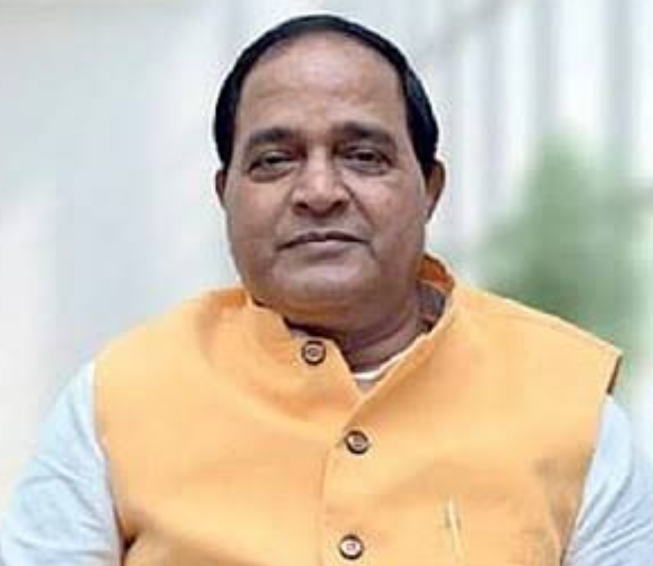
Odisha Strengthens Digital Monitoring and Food Supply Chain Reforms
Bhubaneswar: Odisha is strengthening its public distribution and food supply systems through greater use of digital technology, with measures covering farmer registration, paddy procurement, stock monitoring and distribution of foodgrains.
Odisha's Food Supplies and Consumer Welfare Minister, Krushna Chandra Patra, has been overseeing initiatives aimed at improving procurement procedures, monitoring the Public Distribution System (PDS) and strengthening coordination with central authorities on foodgrain storage and movement.
Supply Chain and Procurement Measures
The department has been working with central authorities on the lifting and storage of Custom Milled Rice (CMR), while also focusing on monitoring the movement of foodgrains through digital systems.
The government has also undertaken an e-KYC exercise for ration-card beneficiaries to identify potentially ineligible or duplicate entries and ensure that benefits are directed to eligible households.
1. Paddy Procurement for Farmers
- Procurement Price: Paddy procurement for the Kharif season has been announced at ₹3,100 per quintal, according to government statements.
- Procurement Deductions: The department has stated that forcible deductions from farmers during procurement will not be permitted.
- Direct Payments: The government has stated that payments to eligible farmers are being transferred directly to their bank accounts through DBT, with a stated target of timely payment.
- Registration and Monitoring: Aadhaar-based e-KYC has been incorporated into the registration process, while district-level officials and monitoring teams have been assigned responsibilities related to procurement operations.
- Procurement Scale: Government figures indicate that around 19.68 lakh farmers were registered during the Kharif season. Procurement figures for different seasons have also been reported by the department.
2. Review of Ration Cards and e-KYC
An e-KYC exercise has been underway to review ration-card records and identify beneficiaries who may no longer be eligible for assistance.
Government data has indicated that several lakh beneficiary records have been removed or placed under review during the exercise, including records relating to deceased persons and potentially ineligible beneficiaries. Different figures have been reported at different stages of the verification process.
The objective of the exercise is to improve the accuracy of the PDS database while ensuring that eligible households continue to receive food-security benefits.
3. Storage, Delivery and Technology Initiatives
- Digital Monitoring: Command-and-control and other digital systems are being used to monitor distribution-related information and address complaints.
- Rice ATM: A technology-based rice distribution facility has been announced for Bhubaneswar with support from the UN World Food Programme, with possible expansion to other locations.
- Delivery Assistance: The department has discussed arrangements to assist beneficiaries who face difficulties visiting distribution points, including elderly beneficiaries and people facing biometric authentication problems.
- Coverage: Government figures indicate that millions of people are covered under the National Food Security Act (NFSA) and the State Food Security Scheme (SFSS).
The department has also stated that action will be taken against irregularities in the distribution system. Political parties and other stakeholders have raised concerns at different times regarding procurement and implementation, while the government has highlighted digitisation and monitoring as measures intended to improve transparency and reduce potential leakages.
The ongoing reforms are aimed at strengthening procurement, improving monitoring of foodgrain distribution and ensuring that welfare benefits reach eligible beneficiaries more efficiently.