HILL OF QUEEN DERJILING HISTORY
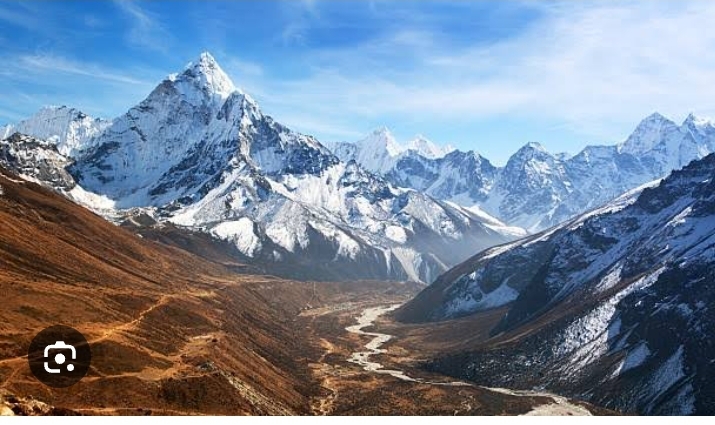
History of Darjeeling: From Its Early Communities to Modern Administration
Darjeeling, a hill region in present-day West Bengal, has a rich history shaped by Indigenous communities, regional kingdoms, British colonial expansion and modern political movements. The name “Darjeeling” is commonly associated with the Tibetan words “Dorje” and “Ling,” often interpreted as “the place of the thunderbolt.”
Early Inhabitants and Regional Rule
Before British involvement, the region was inhabited by communities including the Lepchas, Bhutias and Limboos. Darjeeling's political history was closely connected with the Kingdom of Sikkim. During the late eighteenth century, Gorkha expansion in the Himalayan region altered territorial control and contributed to conflicts among neighbouring powers.
The Anglo-Gorkha War and British Involvement
The Anglo-Gorkha War of 1814–1816 reshaped political relations across the region. The Treaty of Sugauli, signed in 1815 and ratified in 1816, defined important territorial changes involving Nepal and the British East India Company. The Treaty of Titalia, concluded in 1817, restored territories to the Chogyal of Sikkim under British arrangements.
In 1828, British officials Captain George Lloyd and J. W. Grant visited the Darjeeling area. The British subsequently recognised the region's potential as a hill station, particularly because of its climate and strategic location.
The 1835 Transfer and British Development
In 1835, the ruler of Sikkim granted the British East India Company a tract of land around Darjeeling. This transfer laid the foundation for the development of the settlement as a British hill station. The exact terms and circumstances of the grant should be understood in the context of the political relationship between Sikkim and the East India Company.
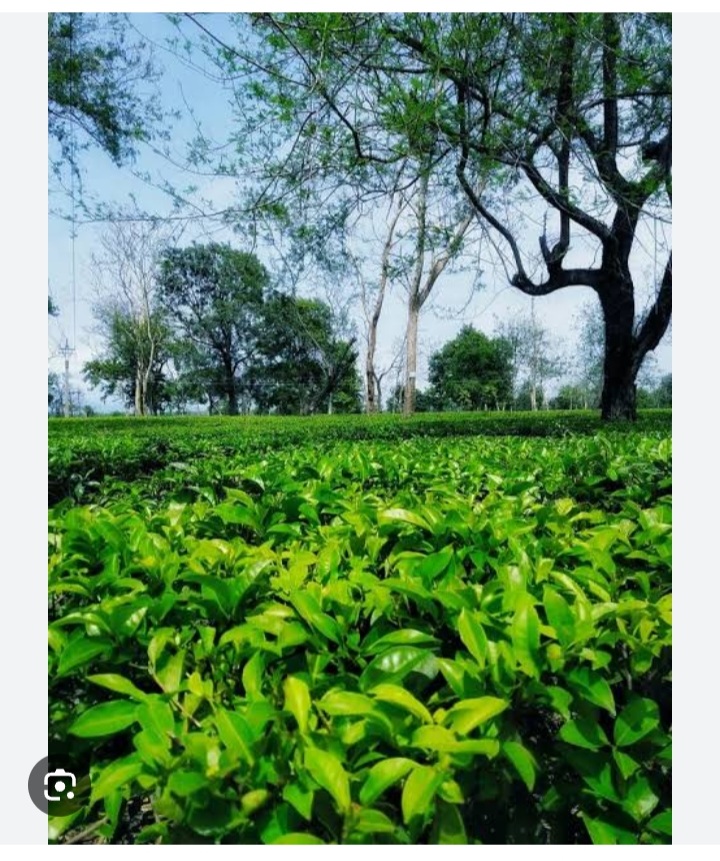
Dr. Archibald Campbell became superintendent of Darjeeling in 1839. Under British administration, roads and other infrastructure were developed, and efforts were made to expand settlement and commercial activity. Tea cultivation was introduced experimentally during the early 1840s, eventually becoming one of the region's most important industries.
Territorial Expansion and Kalimpong
British control expanded during the nineteenth century following disputes and conflicts involving neighbouring Himalayan states. After the conflict with Bhutan, the Treaty of Sinchula was concluded in 1865, and Kalimpong came under British administration. These developments contributed to the growth of the wider Darjeeling hill region.
The Darjeeling Himalayan Railway
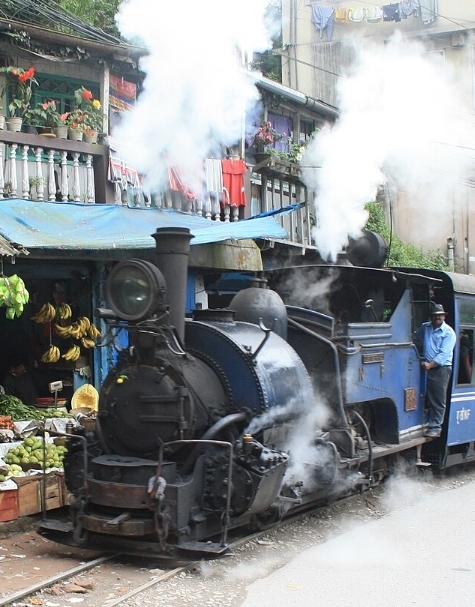
The Darjeeling Himalayan Railway became one of the region's defining achievements in transport history. The narrow-gauge railway connected Darjeeling with the plains and improved the movement of people and goods. The railway opened to Darjeeling in 1881 and became well known for its steep gradients, loops and zigzag sections. It was later recognised as a UNESCO World Heritage Site in 1999 as part of the Mountain Railways of India.
During British rule, Darjeeling developed into an important hill station and administrative centre. It was used as a summer retreat by colonial officials, although descriptions of its precise status within the Bengal administration should be treated carefully.
Darjeeling After Independence
Following India's independence in 1947, Darjeeling became part of West Bengal. Questions concerning regional identity, political representation and greater autonomy continued to shape public debate in the hills.
The demand for a separate Gorkhaland state gained prominence during the 1980s. In 1988, the Darjeeling Gorkha Hill Council (DGHC) was established as an autonomous administrative arrangement. In 2012, the Gorkhaland Territorial Administration (GTA) replaced the DGHC under a new agreement intended to provide regional governance.
In 2017, Kalimpong became a separate district, distinct from Darjeeling district. This administrative change marked another important stage in the region's modern history.
Conclusion
Darjeeling's history reflects the interaction of Indigenous communities, Himalayan kingdoms, British colonial policies and post-independence political developments. From its emergence as a hill station to its tea industry, historic railway and continuing debates over regional autonomy, Darjeeling remains an important part of the cultural and historical landscape of the eastern Himalayas.