Northern Indian culture and history
History and Culture of North India
Northern India has a rich and diverse history spanning thousands of years. Its cultural heritage has been shaped by ancient civilizations, powerful empires, regional kingdoms, religious traditions, and centuries of social and political change. The region reflects a wide range of Hindu, Indo-Islamic, Sikh, and regional cultural influences.
Historical Timeline
Indus Valley Civilization and the Vedic Period
The Indus Valley Civilization flourished across parts of present-day northwestern India and Pakistan. It was one of the world's major early urban civilizations. Later, Vedic traditions developed in the Indian subcontinent, with the Vedas forming an important foundation of ancient Indian religious and philosophical thought. The development of these traditions involved complex historical and cultural changes, including the movement of Indo-Aryan-speaking groups into the subcontinent.
Classical Empires
North India became an important centre of political power under several major dynasties. The Maurya Empire established extensive rule across much of the subcontinent, while the Gupta Empire is widely associated with significant developments in mathematics, astronomy, literature, art, and philosophy. In later centuries, regional powers competed for influence over Kannauj and surrounding territories, a period often described as the struggle for control of the Kannauj region.
Medieval Period: Delhi Sultanate and Mughal Empire
During the medieval period, political changes and military campaigns involving Central Asian and other regional powers reshaped northern India. The Delhi Sultanate ruled large parts of the region from the thirteenth to the sixteenth centuries. It was followed by the Mughal Empire, which became one of the most influential political powers in South Asian history.
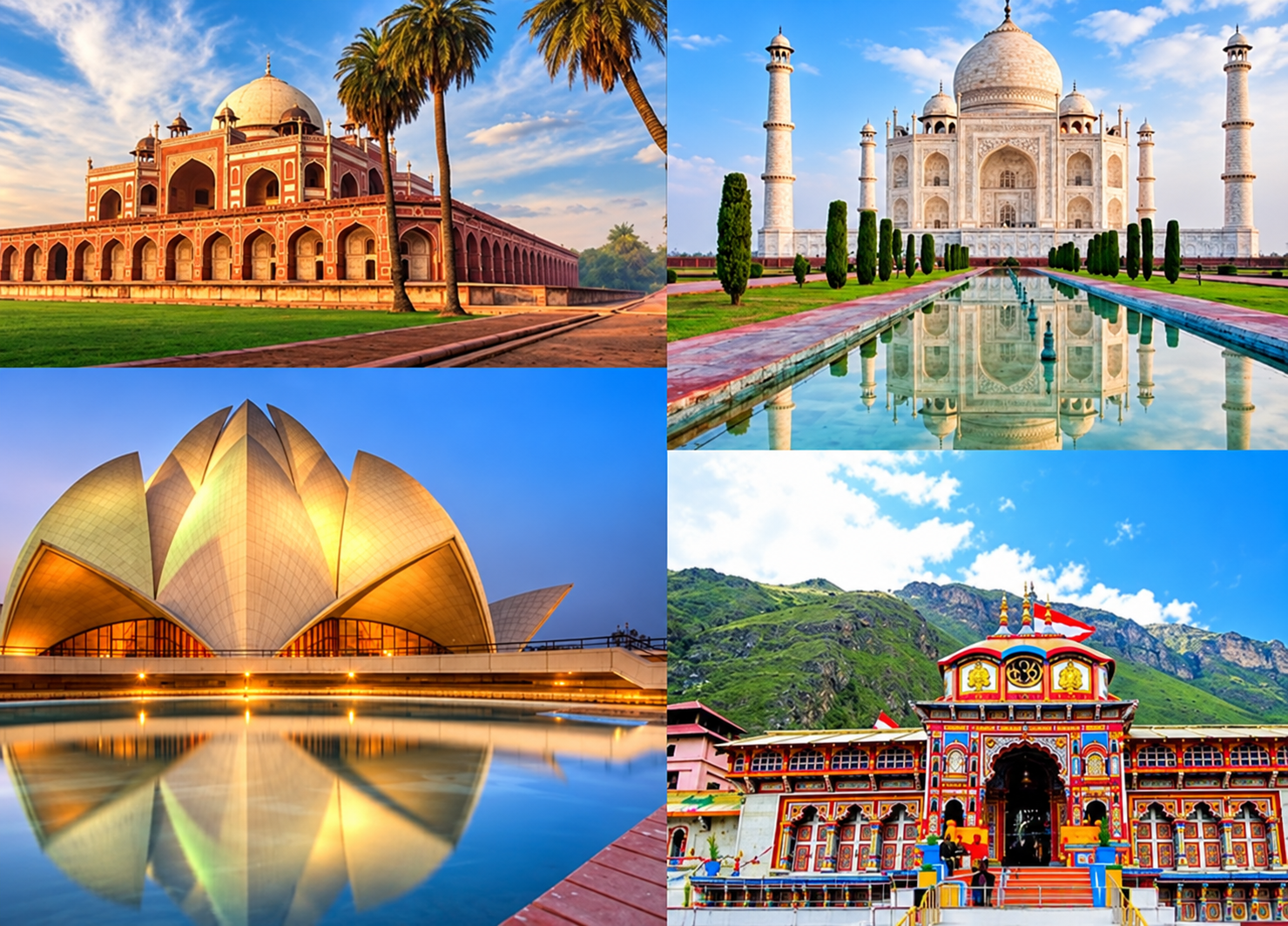
These periods contributed to developments in administration, literature, architecture, painting, music, and urban culture. Indo-Islamic architectural landmarks, including the Taj Mahal and the Red Fort, reflect some of the artistic traditions that developed under Mughal rule.
British Rule and Independence
The gradual decline of Mughal authority created opportunities for regional powers and the British East India Company to expand their influence. The uprising of 1857 was a major turning point in India's colonial history. Following the rebellion, the British Crown assumed direct control over British India in 1858.
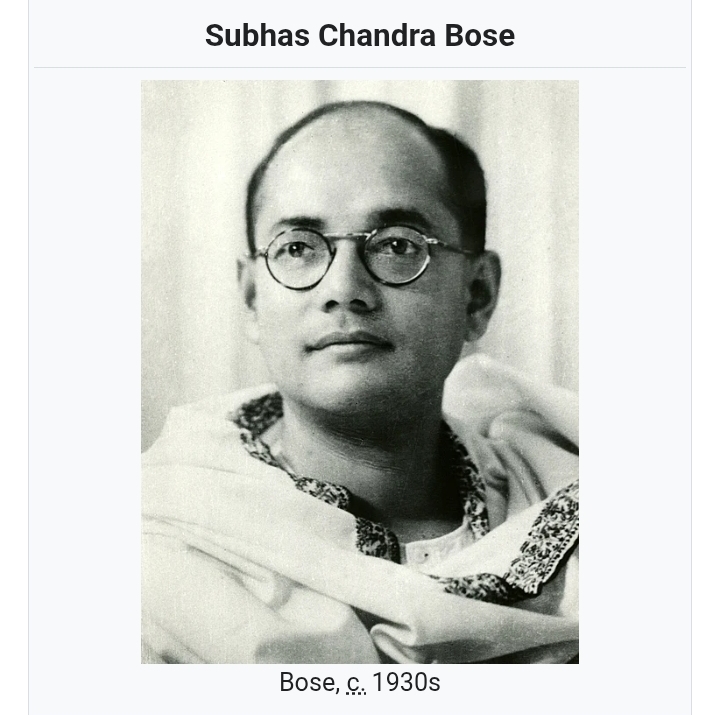
The Indian independence movement continued through the late nineteenth and twentieth centuries, involving a wide range of political organisations, leaders, and popular movements. India gained independence from British rule on 15 August 1947, alongside the Partition of British India into India and Pakistan.
Cultural Traditions of North India
Architecture
North Indian architecture reflects centuries of artistic and religious development. Major examples include Indo-Islamic monuments such as the Taj Mahal and the Red Fort, Nagara-style Hindu temples, and the forts and palaces associated with Rajput kingdoms. These structures demonstrate the region's varied architectural styles and historical influences.
Music and Dance
North India has a rich musical and performing arts heritage. Hindustani classical music uses ragas and talas to organise melody and rhythm. Kathak is one of India's recognised classical dance forms and has historical connections with northern India. Regional folk traditions include Bhangra in Punjab and Ghoomar in Rajasthan, each reflecting distinctive local customs and celebrations.
Spirituality and Pilgrimage
Religious traditions play an important role in the cultural life of North India. Varanasi, Haridwar, Ayodhya, and Mathura are significant pilgrimage destinations for Hindus. Amritsar, home to the Golden Temple, is a major spiritual centre for Sikhs. These places attract visitors and pilgrims throughout the year and are associated with diverse religious practices and historical traditions.
Cuisine
North Indian cuisine varies considerably by region, community, climate, and local ingredients. Wheat-based foods, including roti, naan, and paratha, are widely consumed in many areas. Other familiar dishes include lentils, vegetable preparations, dairy-based foods, and tandoori cooking. Punjabi, Rajasthani, Awadhi, Kashmiri, and other regional cuisines each have their own distinctive ingredients and culinary traditions.
Conclusion
The history and culture of North India reflect a long process of cultural exchange, political change, artistic achievement, and religious development. From ancient urban settlements and classical empires to medieval kingdoms, colonial rule, and modern India, the region has contributed significantly to the subcontinent's historical and cultural heritage. Its architecture, music, dance, pilgrimage sites, and regional cuisines continue to reflect this diversity.