India at a Critical Economic Juncture: The Case for Prudence, Productivity and Shared Responsibility
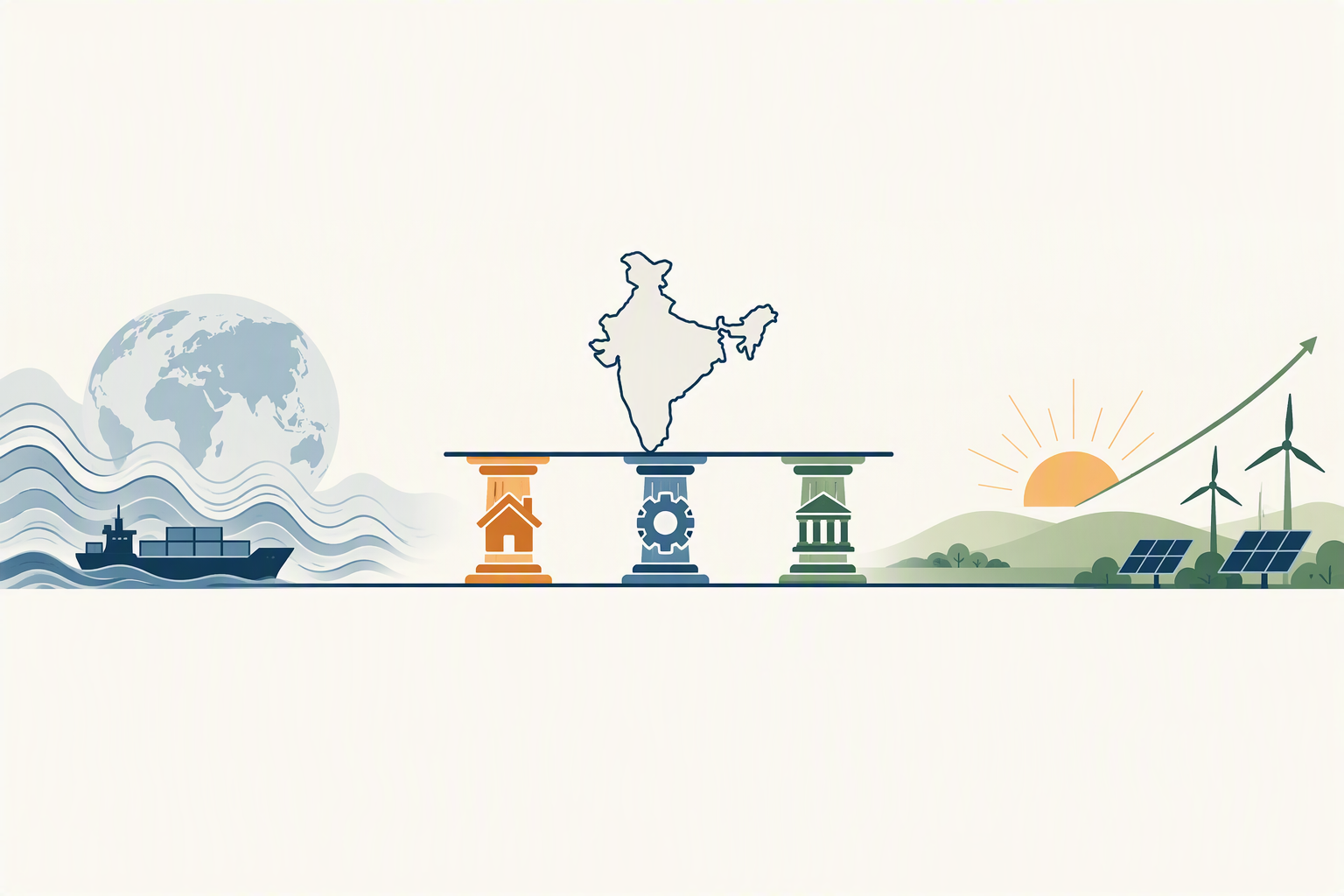
The global economy is facing a period of uncertainty. Although a worldwide recession has not been formally declared, households, businesses and governments are dealing with pressures such as elevated living costs, volatile energy markets, supply-chain disruptions, cautious investment and changes in consumer confidence. The absence of an official recession declaration does not mean that economic risks should be ignored.
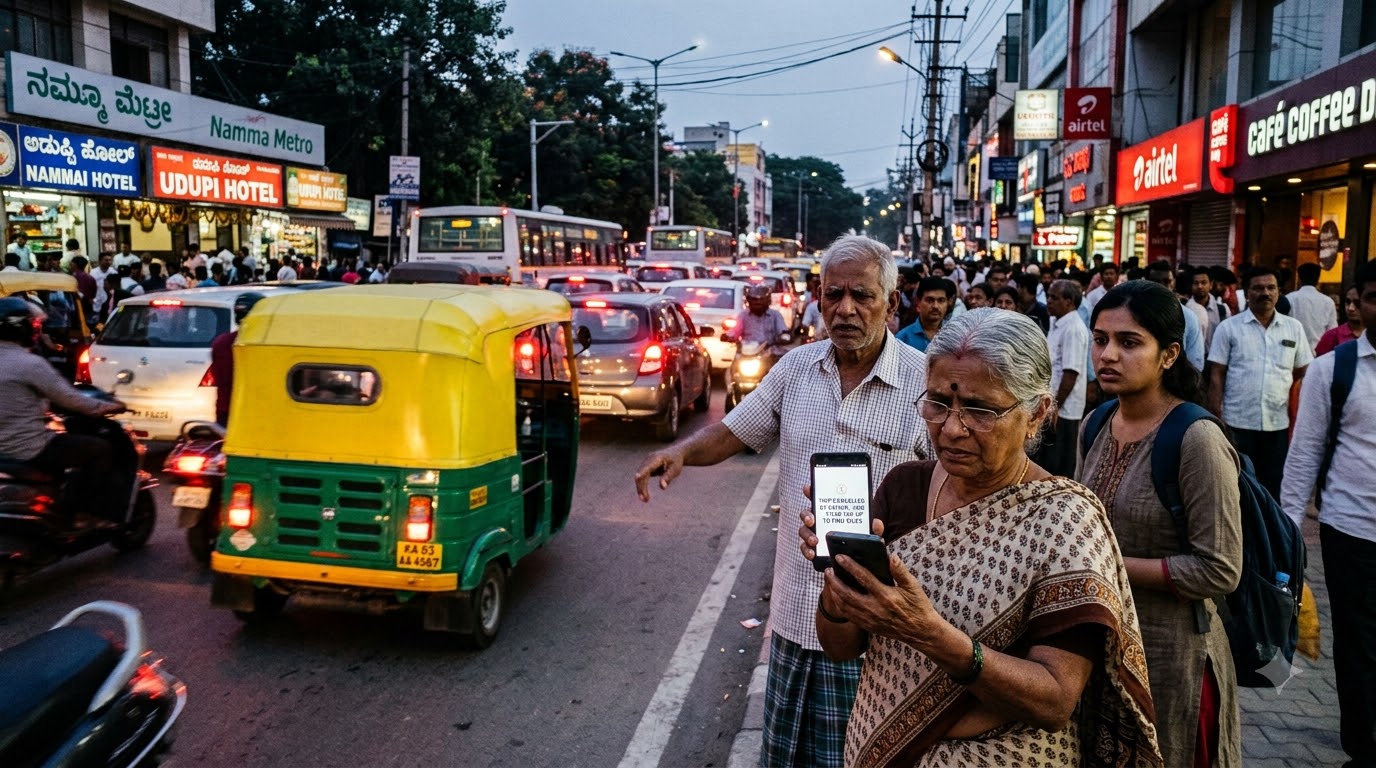
India is also exposed to these global pressures. Its dependence on imported energy, international trade and global financial markets means that external developments can influence fuel prices, transport costs, production expenses, employment and the prices of essential goods. In such circumstances, careful preparation can help households and businesses manage potential risks.
Citizens can review their spending, borrowing and investment decisions carefully. Families may prioritise essential expenses, maintain emergency savings where possible, avoid unnecessary debt and exercise caution before taking on high-risk financial commitments. Businesses, particularly small enterprises, can focus on protecting cash flow, managing inventories prudently and reviewing non-essential expenditure according to prevailing conditions.
This does not necessarily require panic or indiscriminate austerity. Sensible financial discipline can include reducing waste, conserving fuel and electricity, supporting viable local production and directing available resources towards essential needs such as health, education, food and housing.
Public authorities also have an important role in managing economic risks. Reviewing non-essential expenditure, safeguarding strategic resources, strengthening support for vulnerable sections and improving long-term energy security can contribute to resilience. Clear and accurate communication is equally important so that citizens can make informed decisions without unnecessary fear or misinformation.
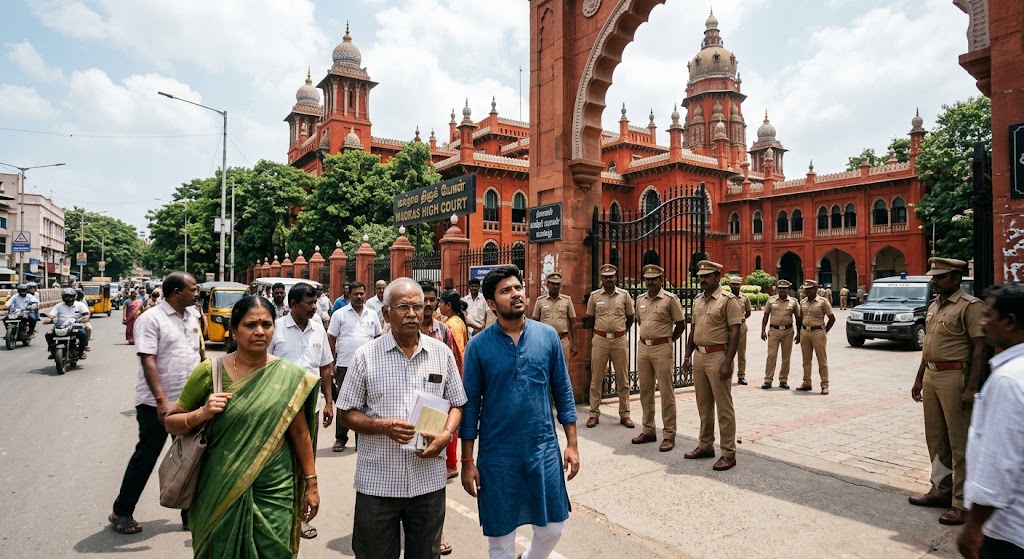
Public disruption can also have economic consequences. Peaceful protest remains a legitimate form of democratic expression, but prolonged shutdowns, blockades, damage to public property and interruptions to transport or commercial activity can affect workers, businesses, supply chains and public services.
Such disruptions can particularly affect daily-wage earners, students, patients, small traders and other sections that depend on uninterrupted economic activity. Public concerns can be raised through lawful, peaceful and constructive channels while seeking to minimise unnecessary disruption to livelihoods and essential services.
India's economic resilience depends on cooperation among government, industry and citizens. Responsible consumption, productive economic activity, social stability and respect for democratic processes can together contribute to greater economic confidence.
The months ahead may present challenges for households, businesses and public institutions. Citizens can respond by avoiding unnecessary expenditure, managing financial obligations carefully, safeguarding employability and contributing to productive activity. These measures can help strengthen individual and broader economic resilience.
Economic conditions are ultimately reflected in prices, employment, incomes and confidence. Prudent decisions by households, businesses and institutions can help reduce the impact of future economic shocks. India's ability to withstand global turbulence will depend on foresight, balanced policy responses, productive activity and constructive democratic engagement.