Mumbai and MMR Face Looming Water Crisis as Reservoir Siltation and Rising Demand Threaten Future Supply
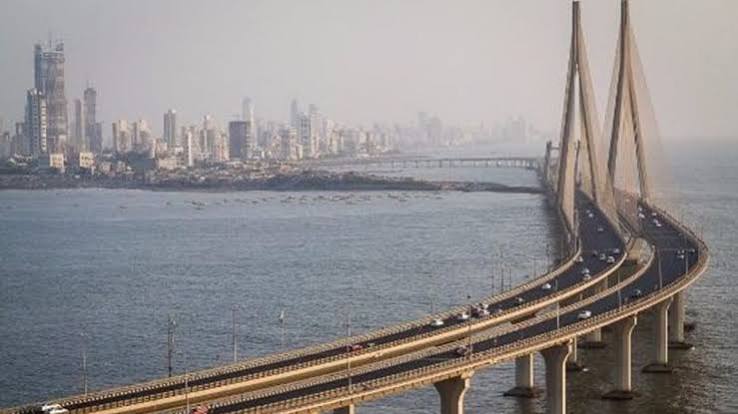
Mumbai and the Mumbai Metropolitan Region (MMR) could face a serious water shortage in the coming years due to rising demand, sediment accumulation in reservoirs and inadequate reuse of treated wastewater. Environmentalists have urged civic authorities to take urgent measures to protect existing water resources and improve the city's long-term water security.
According to a report published by The Free Press Journal on October 15, Mumbai receives approximately 4,100 million litres per day (MLD) from seven lakes and dams, while its estimated daily requirement stands at 4,600–4,665 MLD. Water demand is projected to increase to 6,424 MLD by 2041. If supply remains unchanged, the city could face a potential shortfall of 2,324 MLD.
Environmental groups have raised concerns over the accumulation of silt in reservoirs, which reduces their water-storage capacity. They argue that authorities must focus not only on developing new water sources but also on maintaining and improving the capacity of existing reservoirs.
A study conducted by the Maharashtra Engineering Research Institute (MERI) recorded capacity losses of 16.42% at Vihar Lake, 14.98% at Tulsi Lake, 15.023% at Tansa Lake, 8.986% at Modak Sagar and 1.709% at Middle Vaitarna due to sediment-related factors. The Brihanmumbai Municipal Corporation (BMC) is seeking expert assistance to assess the technical and economic feasibility of desilting these reservoirs.
Concerns have also been raised over Navi Mumbai's Morbe Dam, which supplies around 450 MLD of water. According to information obtained under the Right to Information (RTI) Act, the Navi Mumbai Municipal Corporation (NMMC) confirmed that no desilting had been undertaken since the dam began functioning in 1999.
Environmental activists have called for a bathymetric survey to determine the dam's actual storage capacity and assess whether removing accumulated sediment could improve water storage. NMMC data for May 2025 showed actual storage of 82.557 million cubic metres against a designed capacity of 190.890 million cubic metres. Activists have sought updated figures to assess the current situation.
Climate uncertainty and the growing needs of urban populations could further complicate the region's water challenges. Experts and environmental campaigners have stressed the importance of responsible water consumption by households, industries and agricultural users.
Suggested measures include rainwater harvesting, groundwater recharge, feasible reservoir desilting and the greater use of treated sewage for non-drinking purposes such as toilet flushing, vehicle washing and gardening.
Although major water augmentation projects, including Gargai, Pinjal and the Damanganga–Pinjal link, are at different stages of planning and implementation, environmentalists say that protecting existing water infrastructure must remain a priority.
The growing concern over water security highlights the need for coordinated planning, efficient water management and timely action by civic authorities. With demand expected to rise significantly by 2041, decisions taken today could play a crucial role in determining Mumbai and the MMR's ability to meet future water requirements.