"NAVRATRI: A FESTIVAL OF DIVINE WORSHIP, SELF-PURIFICATION AND CHARACTER BUILDING"
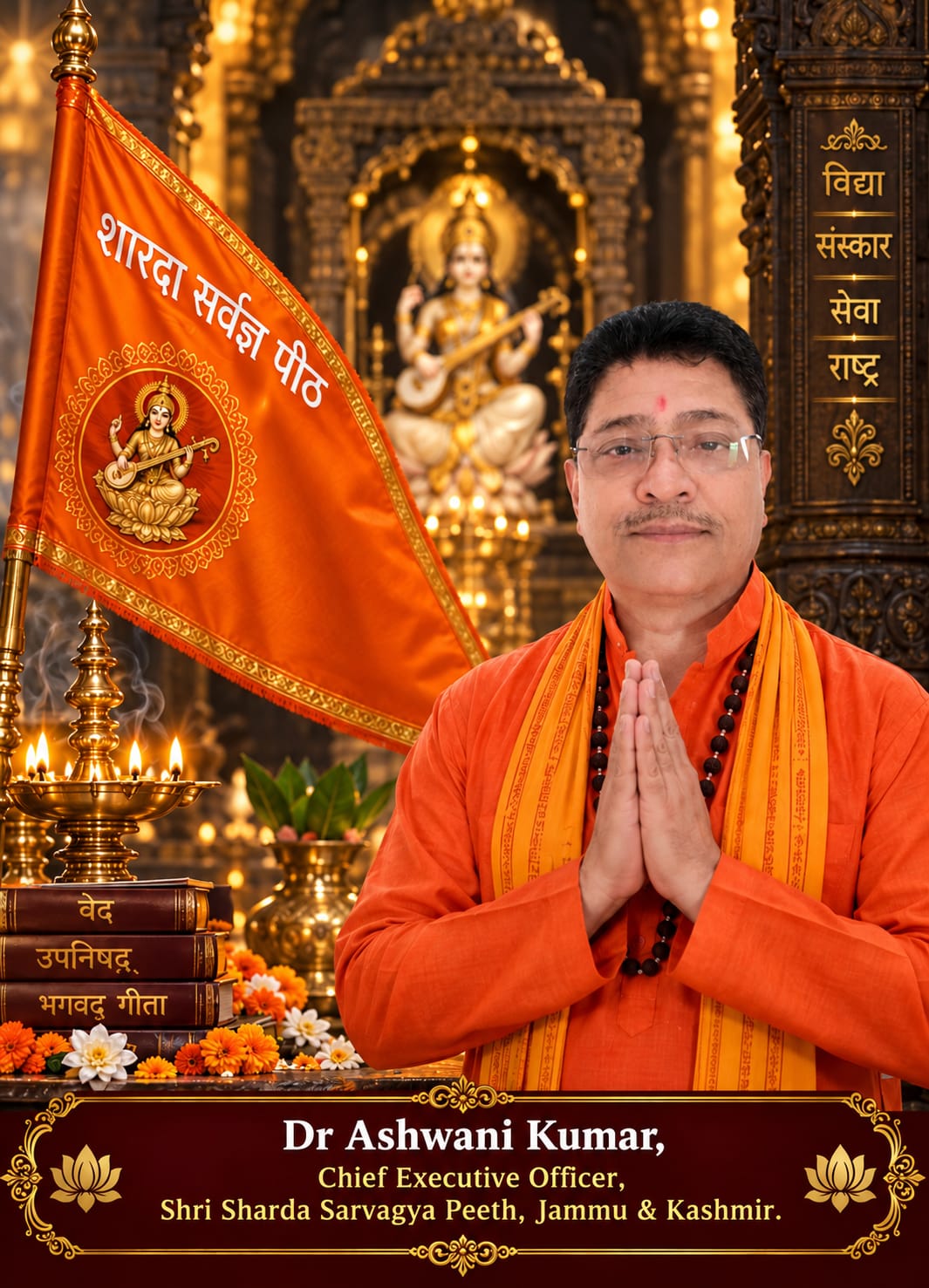
By: Col (Dr.) Ashwani Kumar, MiD, VSM (Retd.)
Chief Executive Officer, Shri Sharda Sarvagya Peeth, Jammu & Kashmir.
Let Us Embrace the Power of Maa Durga and Uphold the Dignity of Dharma Through Our Actions
Navratri Is Not Merely Worship; It Is an Opportunity to Transform Ourselves
Navratri holds immense spiritual, religious and cultural significance in the Sanatan tradition of India. It is not merely a festival of worshipping Mata Rani for nine days, observing fasts, visiting temples or participating in devotional gatherings. It is an opportunity to recognise our weaknesses, purify our thoughts, improve our conduct and move forward on the path of Dharma.
The word Navratri is derived from two Sanskrit words: Nava, meaning nine, and Ratri, meaning night. During these nine nights, devotees worship Maa Durga in her different manifestations. Although rituals and customs vary across different regions of India, the central message remains the same: the worship of divine feminine power, the triumph of righteousness over evil, and the journey from darkness towards light.
In my view, every Hindu should understand the spiritual message of Navratri. This does not mean that everyone must observe the same fast or follow identical religious practices. It means that, according to our faith and capacity, we should use these sacred days as an opportunity to practise self-discipline, service, virtuous conduct and devotion to the Divine Mother.
True worship of the Mother becomes meaningful when the head that bows before Her in a temple also learns to bow before truth, justice and humanity in everyday life.
1. The Story of Maa Durga: When Divine Powers United
The glory of Maa Durga is described in several Hindu scriptures, including the Devi Mahatmya, also known as the Durga Saptashati.
According to the traditional account, Mahishasura, a powerful demon, became arrogant because of his powers and boons. He began spreading terror across the three worlds, causing immense suffering. Even the gods were distressed by his tyranny. When arrogance and injustice crossed all limits, the combined divine energies of the gods manifested as Maa Durga, the supreme Divine Mother.
The gods presented Her with their divine weapons. Riding a lion, Maa Durga confronted Mahishasura. After a fierce battle lasting nine days, She slew the demon on the tenth day. This victory became a powerful symbol of the triumph of righteousness and divine power over evil and arrogance.
The spiritual meaning of this story is profound. Mahishasura may also be understood symbolically as representing the arrogance, anger, greed, injustice and uncontrolled desires that reside within us. The victory of Maa Durga teaches us that however powerful evil may appear, it can be confronted through truth, courage, wisdom and adherence to Dharma.
The story carries another important message: when our strengths remain scattered, difficulties increase; when they are united towards a common purpose, even seemingly impossible challenges can be overcome.
This lesson is equally relevant to our families, society and nation. Worshipping Maa Durga means not only listening to the story of the destruction of evil, but also resolving to overcome arrogance, anger, deceit and injustice within ourselves.
2. What Is the Power of Maa Durga, and What Can We Learn From It?
Maa Durga is worshipped as Adi Shakti, Jagdamba and the Mother of the Universe. She represents strength, courage, compassion, protection and the establishment of Dharma.
Her power cannot be understood merely through the weapons She carries. It is also reflected in the courage of a woman who stands against injustice, the compassion of a person who helps someone in distress, and the inner strength of an individual who refuses to abandon principles during difficult circumstances.
The lion on which Maa Durga rides inspires fearlessness. Her divine weapons remind us to confront injustice, while Her maternal nature teaches compassion and protection.
However, power does not mean suppressing the weak. Its true purpose is to protect the vulnerable, resist injustice and establish righteousness and justice in society.
If someone worships Maa Durga but insults the women in their own household, looks down upon the poor, exploits the weak or deceives others for personal gain, that person must reflect upon the true purpose of their devotion.
The power of Maa Durga teaches us not to dominate others, but to exercise control over our own weaknesses.
3. The Nine Days of Navratri: A Resolution to Embrace Nine Virtues
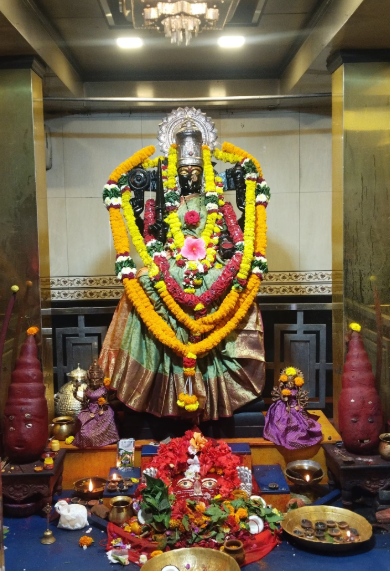
During Navratri, devotees worship the nine manifestations of Maa Durga. Each form offers inspiration for our daily lives.
- Maa Shailputri – Steadfastness: Remain committed to your principles and duties, regardless of circumstances.
- Maa Brahmacharini – Discipline and Austerity: Practise self-control, dedication, study and spiritual discipline.
- Maa Chandraghanta – Courage: Stand firmly and wisely against injustice and fear.
- Maa Kushmanda – Creativity: Use your knowledge, thoughts and actions to bring positivity into the world.
- Maa Skandamata – Nurturing and Protection: Fulfil your responsibilities towards your family, children and society.
- Maa Katyayani – Justice and Fearlessness: Speak against wrongdoing and stand by what is right.
- Maa Kalaratri – Conquering Fear: Face difficulties with courage and wisdom rather than running away from them.
- Maa Mahagauri – Purity and Forgiveness: Strive to purify your thoughts, speech and conduct.
- Maa Siddhidatri – Wisdom and Accomplishment: Make life meaningful through spiritual practice, humility and sustained effort.
These reflections draw inspiration from the traditional significance of the nine manifestations of the Divine Mother. Applying these virtues in our daily lives can become a personal form of spiritual practice.
Imagine if, during these nine days, we resolved to abandon one harmful habit and cultivate one positive quality each day. By the end of Navratri, we could become more disciplined, compassionate and constructive in our outlook. This is the practical expression of Navratri's spiritual message.
4. Why Should We Avoid Non-Vegetarian Food During Navratri?
During Navratri, many Hindu families abstain from non-vegetarian food, alcohol and certain other food items. Some devotees observe fasts throughout the nine days, while others continue to eat regular meals but prefer simple, sattvic food. These practices vary according to region, family tradition, religious denomination and personal faith.
In my view, Navratri is an opportunity to practise self-restraint. Therefore, resolving to avoid non-vegetarian food and alcohol and adopting a vegetarian, sattvic diet during these sacred days can be a meaningful expression of devotion and discipline.
Sattvic living is not limited to the ingredients of our food. It also involves a disciplined lifestyle. We should strive for simplicity in our diet, humility in our behaviour and purity in our thoughts.
At the same time, we must recognise that dietary traditions are not identical across all Hindu communities. A person's entire religious commitment should not be judged solely by what they eat.
Those who choose vegetarian food during Navratri may regard it as a personal commitment to devotion and self-control. Those who cannot undertake strict fasting because of health or other genuine circumstances can observe the festival according to their capacity through prayer, worship, service and virtuous conduct.
During Navratri, restraint in food is important, but restraint in speech, anger, greed and arrogance is equally significant. If we abstain from non-vegetarian food for nine days but insult an innocent person, exploit the poor or neglect our responsibilities, we must reflect upon the broader meaning of self-discipline.
5. Improve Your Karma: This Is the Essence of Worshipping the Divine Mother
Karma occupies a central place in Sanatan Dharma. Our thoughts, decisions and actions influence both our lives and the society around us.
While lighting a lamp before Maa Durga during Navratri, we should ask ourselves a few honest questions:
- Do I respect my parents and elders?
- Am I mindful of my responsibility to treat women with dignity and ensure their safety?
- Do I help the poor, the vulnerable and those in need?
- Am I honest in my professional and personal dealings?
- Do I try to control anger, jealousy, deceit and arrogance?
- Do I respect the religious beliefs and human dignity of others?
- Do I fulfil my duties towards my family, society and nation with sincerity?
If our answers reveal shortcomings, Navratri offers us an opportunity to correct them. Instead of approaching the Divine Mother only with our wishes and demands, we should also resolve to improve our own conduct.
When we make a mistake, we should acknowledge it. If we have wronged someone, we should make amends wherever possible. If bitterness exists between us and another person, we should try to resolve it through dialogue. If we can help someone in need, we should not hesitate.
One of the most meaningful expressions of devotion to Maa Durga is to ensure that our actions do not cause needless suffering to the innocent and that our conduct provides support to those who need it.
6. Kanya Pujan and Respect for Women: A Living Value, Not Merely a Ritual
In many Hindu families, Kanya Pujan is performed on Ashtami or Navami during Navratri. Honouring young girls as manifestations of the Divine Mother expresses reverence for feminine power.
However, the true message of this tradition becomes meaningful only when we take responsibility for the dignity, safety, education and freedom of women and girls every day of the year.
If someone performs Kanya Pujan but discriminates between sons and daughters, insults women or neglects the education of girls, that person should reflect upon the purpose of their religious observance.
Worshipping Maa Durga teaches us to respect feminine power. This respect must be visible not only in temples but also in our homes, schools, workplaces and society.
Let us resolve during this Navratri that we will not obstruct a girl's education, will not tolerate degrading behaviour towards women, and will try to support those who suffer injustice.
Where women are respected, the message of worshipping the Divine Mother finds expression in everyday life.
7. The Path to the Mother's Grace: Service, Compassion and Humility
During Navratri, many devotees undertake prayer, mantra chanting, recitation of the Durga Saptashati, aarti, meditation, charity and acts of service. These practices may be followed according to one's faith, capacity and family traditions.
But devotion must also be accompanied by a spirit of service.
If you can feed a hungry person, do so. If you can help a poor child with education, do so. If you can support a sick or lonely elderly person, extend your hand. If you can assist someone seeking justice through appropriate means, do not turn away.
Religious rituals have their own significance, but their ethical message should also be reflected in our conduct.
Do not pray to the Mother only for success, wealth and comfort. Ask Her for wisdom, patience, courage and the strength to follow the right path.
Remember, too, that genuine devotion does not require us to belittle the faith of others. Every individual may have a different way of expressing religious belief and spiritual commitment. We should practise our own faith with conviction, humility and respect.
8. The Wider Message of Navratri for Hindu Society
Today, it is important for Hindu society to understand its cultural heritage, pass its knowledge to the next generation and strengthen social unity.
Navratri reminds us that strength must be accompanied by wisdom, faith by discipline, and rights by duties.
We should tell our children the story of Maa Durga, but we must also explain its message. Courage does not mean intimidating others; it means standing against injustice. Strength does not mean suppressing the weak; it means protecting them. Dharma does not mean performing rituals alone; it also means fulfilling our responsibilities.
Hindu society should remain conscious of the need to preserve its temples, pilgrimage centres, religious institutions and cultural traditions. At the same time, it should work towards education, social harmony, women's dignity, assistance to the poor and a better future for young people.
Our cultural strength lies not merely in repeating traditions, but in embodying their highest values.
Let Dharma show us the right path, let our culture connect us with our roots, and let service make us responsible towards society. This is the wider message of Navratri.
To Sum Up: Experience the Divine Mother Within Yourself
The nine days of Navratri provide an opportunity for introspection. The story of Maa Durga inspires us to stand against injustice. Her nine manifestations remind us of steadfastness, discipline, courage, creativity, compassion, justice, fearlessness, purity and wisdom.
Let us not merely perform aarti during this Navratri; let us also strive to bring light into our own lives.
Light a lamp before the Mother and resolve to dispel the darkness within your mind. Observe a fast for self-discipline. Adopt a vegetarian diet with devotion and restraint. Worship the Mother while resolving to improve your karma. Perform Kanya Pujan while remaining committed to the dignity and safety of every girl. Seek the Mother's blessings, and also ask for the strength to become a source of support for others.
The true power of Maa Durga manifests within us when we choose courage over fear, compassion over hatred, humility over arrogance, and righteousness over injustice.
Let us collectively make the following resolutions during Navratri: We will purify our thoughts and improve our actions. We will strengthen values within our families. We will respect women, assist those in need, deepen our understanding of Sanatan culture and fulfil our responsibilities towards society and the nation with sincerity.
May Maa Shailputri grant us steadfastness. May Maa Brahmacharini bless us with discipline and perseverance. May Maa Chandraghanta give us courage. May Maa Kushmanda inspire creativity. May Maa Skandamata fill us with compassion. May Maa Katyayani inspire us to stand for justice. May Maa Kalaratri dispel our fears. May Maa Mahagauri purify our thoughts, and may Maa Siddhidatri bless us with wisdom and discernment.
Jai Mata Di!
May Maa Durga bless us with wisdom, strength, good health and a spirit of service. May peace prevail in our families, harmony grow in our society, and India progress on the path of knowledge, culture, justice and humanity.
Col (Dr.) Ashwani Kumar, MiD, VSM (Retd.)
Chief Executive Officer
Shri Sharda Sarvagya Peeth, Jammu & Kashmir