New Clinical Research Highlights Key Whole Grain "Sweet Spot" for Protecting Heart Health
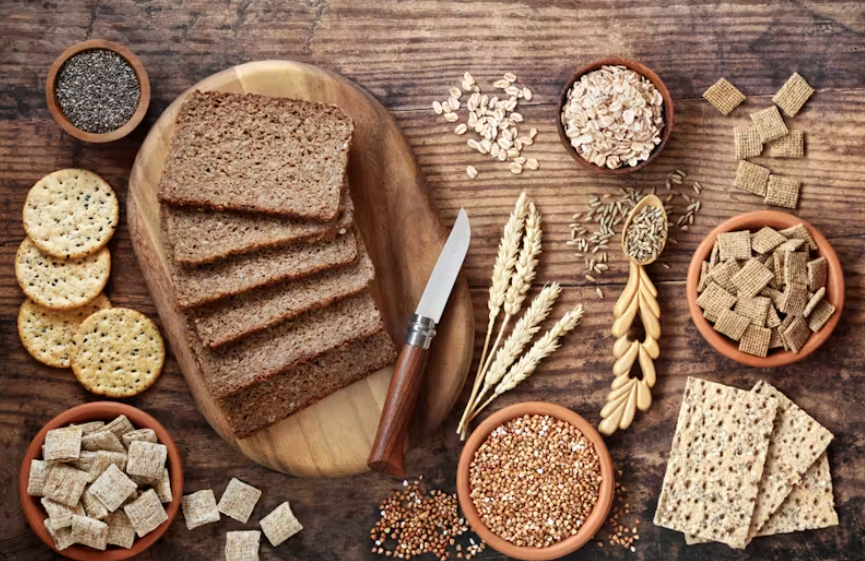
HYDERABAD, INDIA — Eating just four to six servings of whole grains per day could significantly improve several major risk factors for cardiovascular disease, according to a breakthrough comprehensive review of 87 clinical trials published in the European Heart Journal.
Heart disease remains one of the leading causes of illness and mortality worldwide. While nutritional guidelines have long recommended whole grains, this landmark meta-analysis—led by researchers from Tabriz University of Medical Sciences—identifies the exact daily target range where individuals experience the most meaningful cardiometabolic improvements.
Key Takeaways & Benefits
• The "Sweet Spot" Target: While initial health benefits begin at 30 to 40 grams of dry whole grains daily, the strongest improvements in heart health markers occur at 60 to 100 grams dry weight per day (roughly 4 to 6 standard servings).
• Multiple Simultaneous Improvements: Rather than drastically altering a single marker, increasing whole grain intake creates modest, simultaneous improvements across several key health indicators:
o Weight & Body Fat: Reductions in overall body weight and waist circumference.
o Lipid Profiles: Lower total cholesterol, LDL ("bad") cholesterol, and triglycerides.
o Metabolic & Inflammatory Markers: Improved blood pressure, better fasting blood sugar regulation, and decreased inflammatory markers like interleukin-6 (IL-6).
What Does 4 to 6 Servings Look Like Daily?
Reaching the recommended daily target is accessible, affordable, and easy to integrate into everyday meal habits. A typical daily menu hitting this sweet spot includes simple swaps to minimally processed whole grains:
• Breakfast: 1 bowl of oatmeal (approx. 40g dry oats)
• Lunch: 2 slices of 100% whole grain or whole wheat bread for a sandwich
• Dinner: 1 serving of cooked brown rice, quinoa, or whole-wheat pasta
Experts emphasize choosing minimally processed whole grains—where the bran, germ, and endosperm are all retained—rather than ultra-processed packaged foods that simply add whole grain flour to otherwise refined products.
Expert Insight
"Whole grains may benefit cardiovascular health through several modest improvements acting together, rather than through one large effect on a single risk factor. Increasing whole-grain intake is a relatively simple, accessible, and affordable dietary strategy that can complement other lifestyle and medical interventions."
— Dr. Helda Tutunchi, Lead Researcher, Tabriz University of Medical Sciences
Public Health Guidance
Health professionals encourage the public to start by making single, manageable swaps—replacing white bread, refined flour, and white rice with minimally processed whole-grain alternatives. Combining regular physical activity with balanced dietary shifts toward higher whole grain intake provides a proven, effective foundation for long-term heart protection.
Media Contact:
Public Health & Wellness Awareness Initiative
Email: media@healthawareness.org
Website: ScienceDaily Source Article