Philosophy and Psychology
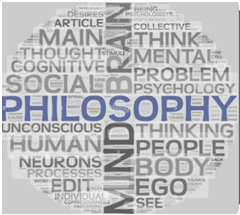
Philosophy and Psychology: Understanding the Relationship Between Mind and Knowledge
Philosophy and psychology are closely related disciplines with a shared intellectual history. Psychology developed from philosophical inquiry into the nature of the mind, consciousness, human behaviour and knowledge. Over time, it emerged as an independent academic discipline through the increasing use of empirical research and scientific methods.
Historical Connection Between the Two Disciplines
For centuries, questions about human thought, perception, morality and consciousness were explored primarily through philosophy. Early thinkers examined how people acquire knowledge, make decisions and understand their experiences. These questions later became important areas of psychological research.
A significant milestone in the development of modern psychology came in 1879, when Wilhelm Wundt established a psychology laboratory in Leipzig, Germany. This event is widely regarded as an important step in the development of experimental psychology as a distinct field of study.
Psychology and the Scientific Method
Psychology gradually developed its own research methods, including observation, experimentation and the systematic study of behaviour and mental processes. Its emphasis on empirical evidence helped distinguish it from traditional philosophical approaches, although philosophical analysis continues to contribute to psychological theory and research.
Philosophy and psychology remain connected because both investigate fundamental questions about human experience. Psychology generally studies these questions through scientific research, while philosophy often examines their conceptual, ethical and logical foundations.
The Role of Philosophical Psychology
Philosophical psychology explores the conceptual foundations of the mind, behaviour and experience. It examines questions about consciousness, mental representation, personal identity and human agency. It also considers how perception, beliefs and desires relate to knowledge, rationality and decision-making.
These discussions can help clarify the assumptions behind psychological theories and raise questions about how mental processes should be understood. Topics such as free will, moral responsibility and the relationship between the mind and the body continue to connect philosophical inquiry with psychological research.
A Continuing Intellectual Relationship
Although philosophy and psychology have developed distinct methods and areas of specialization, they continue to inform one another. Psychology provides empirical evidence about human cognition and behaviour, while philosophy helps examine the concepts, assumptions and ethical questions involved in interpreting that evidence.
The relationship between these disciplines demonstrates the value of combining scientific investigation with critical reflection to develop a deeper understanding of the human mind and human experience.