SRA’s Mumbai Journey: From Slums to Permanent Homes
Mumbai’s Slum Rehabilitation Authority and the Changing Landscape of Urban Housing
Mumbai’s Slum Rehabilitation Authority (SRA) has played an important role in the city’s efforts to transform informal settlements into permanent housing.
The initiative was created to address the housing needs of eligible slum residents while enabling them to remain connected to their existing communities and areas of livelihood.
How the SRA Came Into Being
The Slum Rehabilitation Authority, Mumbai was established by the Maharashtra government in December 1995 under the Maharashtra Slum Areas (Improvement, Clearance and Redevelopment) Act framework. The authority was given responsibility for planning and implementing slum rehabilitation schemes within its jurisdiction.
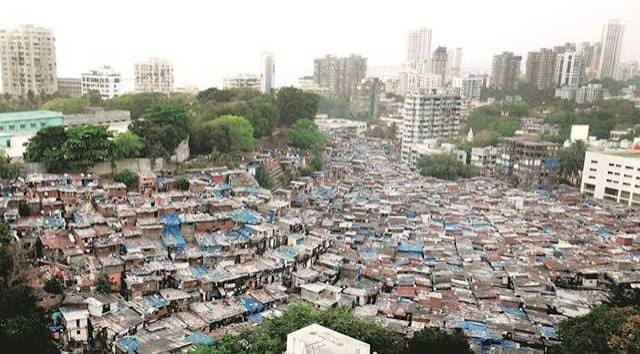
Before rehabilitation, many families living in informal settlements faced challenges such as inadequate sanitation, limited access to basic services, unsafe structures and difficult living conditions.
At the same time, these communities have remained closely connected with Mumbai’s economy, with residents working in sectors including domestic services, transport, construction, retail and other occupations.
How the Rehabilitation Model Works
The SRA model uses land and development potential as resources for rehabilitation. Under the model, rehabilitation tenements are provided to eligible slum residents, while development and sale components can help finance the construction of rehabilitation housing.
The authority is also responsible for several aspects of the rehabilitation process, including surveys, determining the eligibility of slum residents, approvals, building permissions and implementation of rehabilitation schemes.
Housing and Basic Services
For eligible residents, rehabilitation can provide access to more permanent housing and improved basic amenities compared with earlier informal structures. The broader objective is to create safer living conditions while integrating rehabilitation into Mumbai’s rapidly developing urban landscape.
According to the current information published by the SRA, more than 2.79 lakh rehabilitation flats have received occupancy certificates, while more than 3.36 lakh rehabilitation flats are listed as ongoing.
Challenges in the Rehabilitation Process
Despite the scale of the programme, slum rehabilitation remains a complex process. Projects can face delays, administrative requirements, redevelopment-related disputes and difficulties for residents during transit or relocation.
The outcome of a rehabilitation project can also depend on factors such as eligibility verification, project implementation, construction progress and coordination between residents, developers and authorities.
A Continuing Part of Mumbai’s Urban Development
The SRA continues to oversee rehabilitation schemes across Mumbai, with its responsibilities covering planning, implementation and several regulatory aspects of redevelopment. The authority also provides information on schemes, notices and citizen services through its official platforms.
Mumbai’s experience with slum rehabilitation therefore reflects a broader challenge of balancing redevelopment, affordable housing, residents’ rights and the city’s continuing growth.
The SRA’s journey is not simply about replacing informal settlements with new buildings. It is also about ensuring that rehabilitation delivers safer housing, access to essential services and a sustainable place for residents within Mumbai’s evolving urban environment.