Status of Services for People with Deafblindness and Multiple Disabilities in India
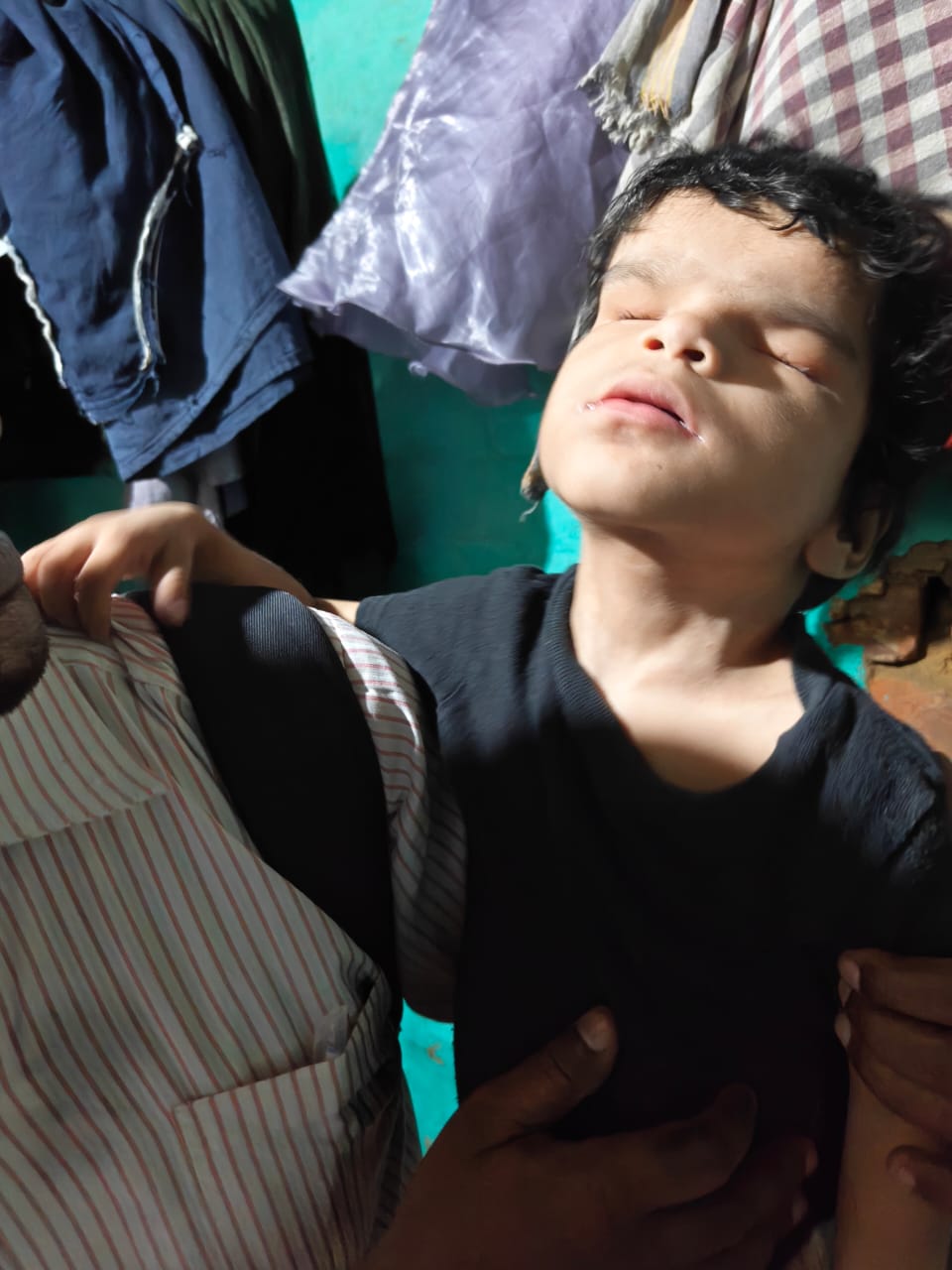
Status of Services for People with Deafblindness and Multiple Disabilities in India
India has made significant progress in recognising the rights of persons with disabilities, particularly following the Rights of Persons with Disabilities (RPwD) Act, 2016. The Act recognises deafblindness as a specified disability and multiple disabilities as a category requiring appropriate support and services. However, despite this important legal recognition, the availability, accessibility and quality of services for people with deafblindness and multiple disabilities remain uneven across the country.
A Growing but Fragmented Service System
Services are provided through a combination of government departments, specialised institutions, NGOs, parent organisations and community-based initiatives. These include early identification and intervention, special and inclusive education, rehabilitation, assistive technology, communication development, vocational training, livelihood support and family counselling.
Organisations such as National Institutes, Composite Regional Centres, District Disability Rehabilitation Centres and specialised NGOs have developed valuable expertise. However, services remain concentrated largely in urban and semi-urban areas. Rural, remote and economically disadvantaged communities continue to face significant gaps.
Deafblindness: A Particularly Underserved Population
Deafblindness presents a unique challenge because the simultaneous loss of vision and hearing can significantly affect communication, mobility, education, access to information, social participation and independent living. Conventional services designed separately for people who are blind or deaf may therefore be inadequate for people with combined sensory disabilities.
There remains a shortage of professionals trained in deafblind communication, tactile communication, orientation and mobility, functional assessment, intervenor support, communication technology and person-centred approaches. Limited access to systematic early intervention and family support can also result in children missing important developmental opportunities.
One significant gap is the limited availability of individualised intervenor services. For many people with deafblindness and significant multiple disabilities, an intervenor is not simply a teacher or caregiver but a facilitator who can support communication, learning, mobility, relationships and participation in everyday life.
Multiple Disabilities and the Challenge of Inclusion
People with multiple disabilities have diverse and often complex support requirements. A person may have combinations of intellectual, physical, sensory, communication or developmental disabilities. Consequently, a standardised service model may not be appropriate in every case.
Although inclusive education has expanded, many schools still face challenges related to trained personnel, accessible learning materials, communication supports, assistive devices and individualised educational planning for learners with complex disabilities. Transition from school to adulthood is another major concern, particularly in relation to employment, independent living, social participation and supported decision-making.
Family and Community Support
Families remain the primary source of support for many people with deafblindness and multiple disabilities. Yet families may receive inadequate information, counselling, respite services and financial or community-based support. This can place a considerable burden on caregivers and may contribute to social isolation.
A shift is therefore needed from an institution- and service-provider-driven approach towards family-centred, community-based and person-centred support. Community workers, local schools, health services, Panchayati Raj Institutions and disability organisations can play an important role in identifying people, linking families with entitlements and facilitating participation within their communities.
What Needs Greater Attention?
India now needs to move beyond simply recognising deafblindness and multiple disabilities towards building a comprehensive continuum of support across the life course. Key priorities include:
- Early identification, intervention and family support.
- Development of specialised human resources in deafblindness and multiple disabilities.
- Recognition and financing of intervenor and support-person services.
- Accessible and inclusive education with individualised support.
- Greater availability of assistive technology and accessible information.
- Community-based rehabilitation and independent living support.
- Skill development, employment and livelihood opportunities.
- Respite and psychosocial support for families.
- Better convergence between health, education, social welfare and disability services.
- Collection of reliable, disaggregated data on people with deafblindness and multiple disabilities.
- Strengthening implementation of the RPwD Act and its associated schemes at state and district levels.
Conclusion
The Indian disability sector has moved considerably from a charity-oriented model towards a rights-based and inclusion-oriented framework. However, people with deafblindness and multiple disabilities remain among those at greatest risk of being excluded from this progress. Their needs require specialised knowledge, personalised support and sustained engagement with families and communities.
The next stage of development should therefore focus not merely on creating more institutions, but on developing responsive support systems that enable people with deafblindness and multiple disabilities to communicate, learn, work, make choices, develop relationships and participate meaningfully in their families and communities.
The effectiveness of disability services should ultimately be assessed not only by the number of people receiving support, but also by how that support contributes to quality of life, autonomy, dignity and meaningful participation in society.